

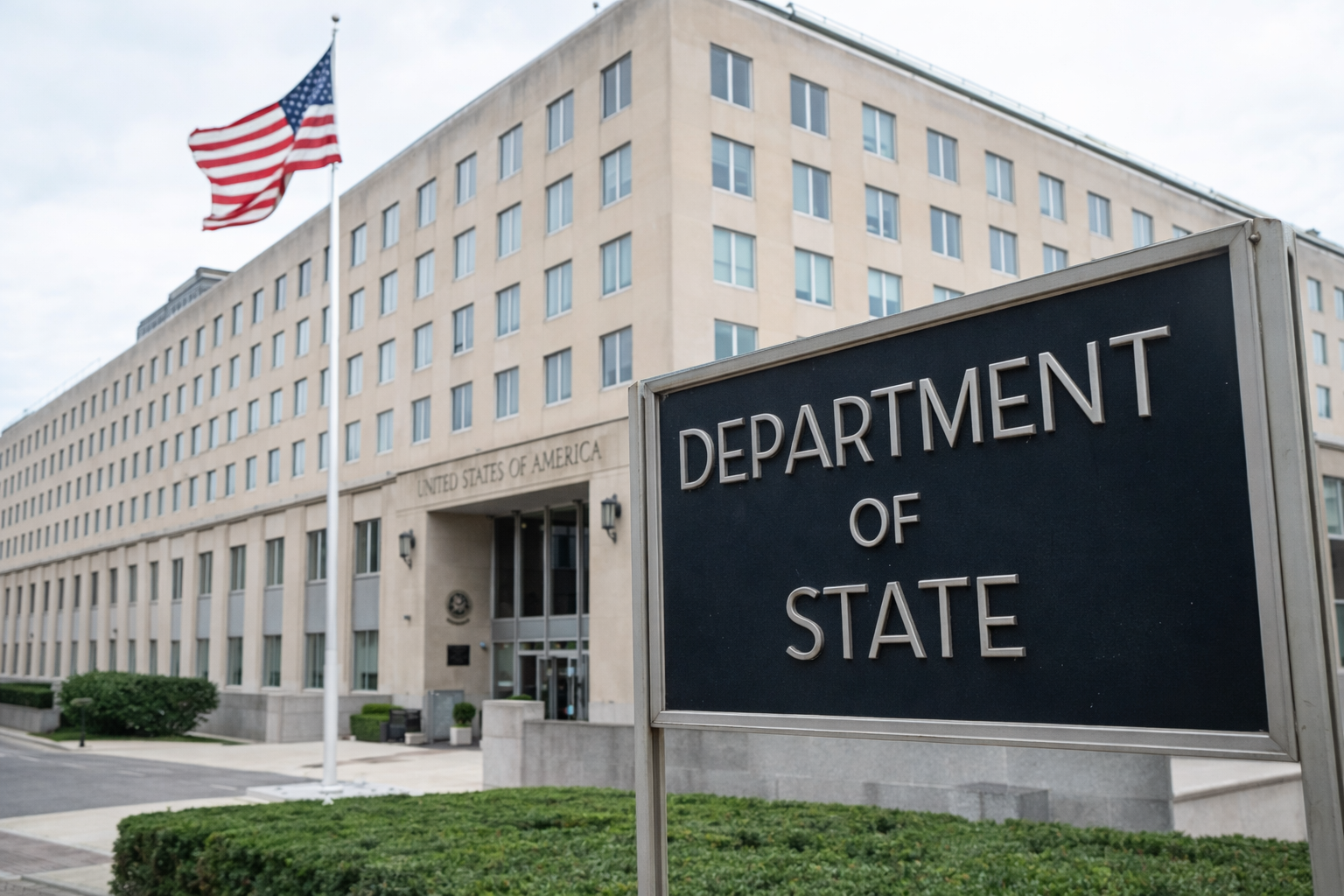
For months, the line had barely moved. Skilled workers sponsored by American employers—many of them engineers, nurses, and technology professionals from Africa, Asia, and Latin America—watched as their hopes for permanent residency in the United States stalled behind a bureaucratic bottleneck. Then, quietly, the numbers began to shift. The release of the March 2026 Visa Bulletin by the U.S. Department of State is now offering something that has been in short supply for much of the past two years: momentum.
Across key employment-based immigration categories, known as EB-2 and EB-3, the government has advanced “priority dates”—the markers that determine when applicants may move forward in the green card process—by as much as 17 months. For many, that shift represents not just administrative progress, but the possibility of permanence after years of waiting.
“It’s the first real sign of relief we’ve seen in a long time,” said one immigration attorney who represents healthcare workers and technology firms. “People who thought they had years left are suddenly eligible to move forward.”
A System Defined by Waiting
The employment-based immigration system in the United States operates on a fixed annual quota. Each year, only a limited number of green cards are issued, divided among categories and countries of origin. When demand exceeds supply—as it has consistently in recent years—the government imposes a waiting list. Applicants are assigned a priority date based on when their petition is filed. Only when that date becomes “current,” according to the monthly Visa Bulletin, can they apply for permanent residence or receive an immigrant visa abroad.
Since mid-2023, that system has been under strain. A period known as “retrogression” slowed or reversed progress in the most popular categories, particularly EB-2 and EB-3, which include a broad cross-section of professional and skilled workers. For many applicants, the effect was immediate: approved cases could not move forward, and timelines stretched unpredictably.
A Sudden Acceleration
The latest bulletin suggests that the backlog, while far from resolved, is easing. Between October 2025 and February 2026, incremental gains had already begun to reduce waiting times. But the March update marks a more pronounced shift. In several categories, priority dates jumped forward by months at a time.
In a notable development, certain EB-2 categories—covering applicants from countries not subject to the most severe caps—are now listed as “current.” For those applicants already in the United States, it means they may proceed immediately with applications to adjust their status to permanent residency.
The change is especially significant for immigrants categorized under “Rest of World,” a designation that includes most African countries. For many professionals in that group, the path to a green card has suddenly shortened. There is no movement for U.S citizens who have filed for siblings to join them in America, Ola, a Nigerian U.S citizen laments that non availability of immigrant visas for the F41 category means the approved cases of his two sibling will remain stuck with the National Visa Center, even though these were cases originally expedited for military deployment in 2019.
Lives on Hold, Now in Motion
For applicants, the Visa Bulletin is more than a technical document. It dictates when families can reunite, when careers can stabilize, and when long-term plans can finally take shape.
A nurse from Ghana, working in a Midwestern hospital, described the uncertainty of the past two years as “living in pause.” Her employer had completed the sponsorship process, but her application could not proceed because her priority date remained out of reach.
“With this update,” she said, “everything feels possible again.”
Employers, too, are watching closely. Industries facing persistent labor shortages—healthcare, education, and technology among them—have relied heavi
A System That Ebbs and Flows
Still, immigration experts caution against reading the latest movement as a permanent shift. The Visa Bulletin has long been characterized by cycles of advancement and regression, reflecting fluctuations in demand and administrative capacity.
What moves forward one month can stall the next.
“The system doesn’t move in a straight line,” the attorney said. “It moves in waves.”
For now, however, the current wave is moving in favor of applicants. And for thousands of immigrants who have spent years navigating a complex and often opaque process, that movement—however uncertain—offers a rare and tangible sense of progress