
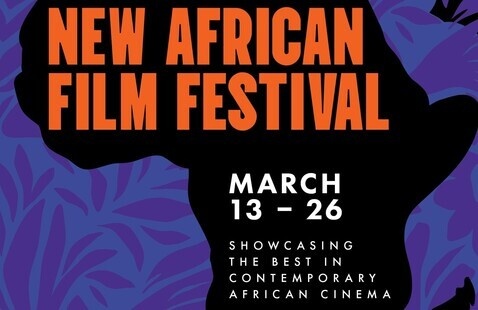
During a recent visit to Washington DC, our nation’s capital often defined by policy and power, I was delighted to see stories from Lagos, Dakar, Nairobi, and beyond come alive on theater screens at the New African Film Festival. Now in its 22nd year, the New African Film Festival (NAFF) has become a cultural mainstay in the capital region, a cinematic bridge between continents.
Presented by the American Film Institute and the Africa World Now Project, the festival offers more than film; it delivers perspective. Over the years, NAFF has evolved into a curated tapestry of narratives—intimate, political, and defiantly imaginative—reflecting both the diversity of Africa and the global diaspora it has shaped.
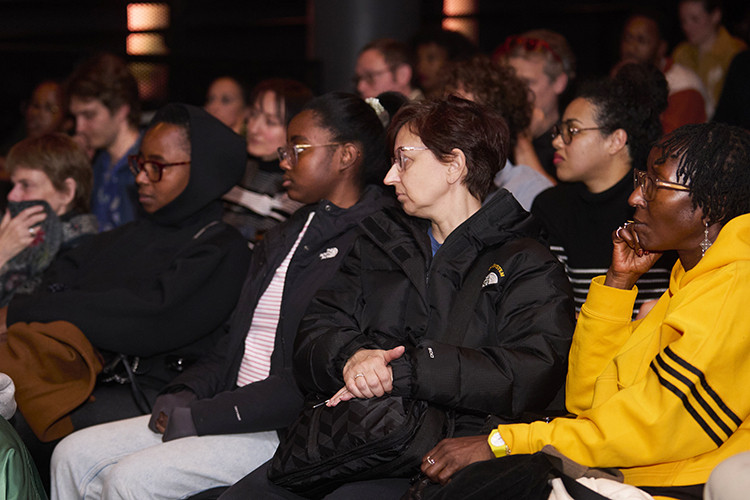
Over two decades, NAFF has also become a vital gathering space for African immigrants and first-generation communities in the Washington area. In the audience, one hears a symphony of accents—West African, East African, Caribbean, African American—each responding differently yet collectively to what unfolds onscreen. Laughter lands differently here; so does silence. A scene depicting a Lagos traffic jam or a family negotiation over remittances carries layers of recognition that ripple through the room.