
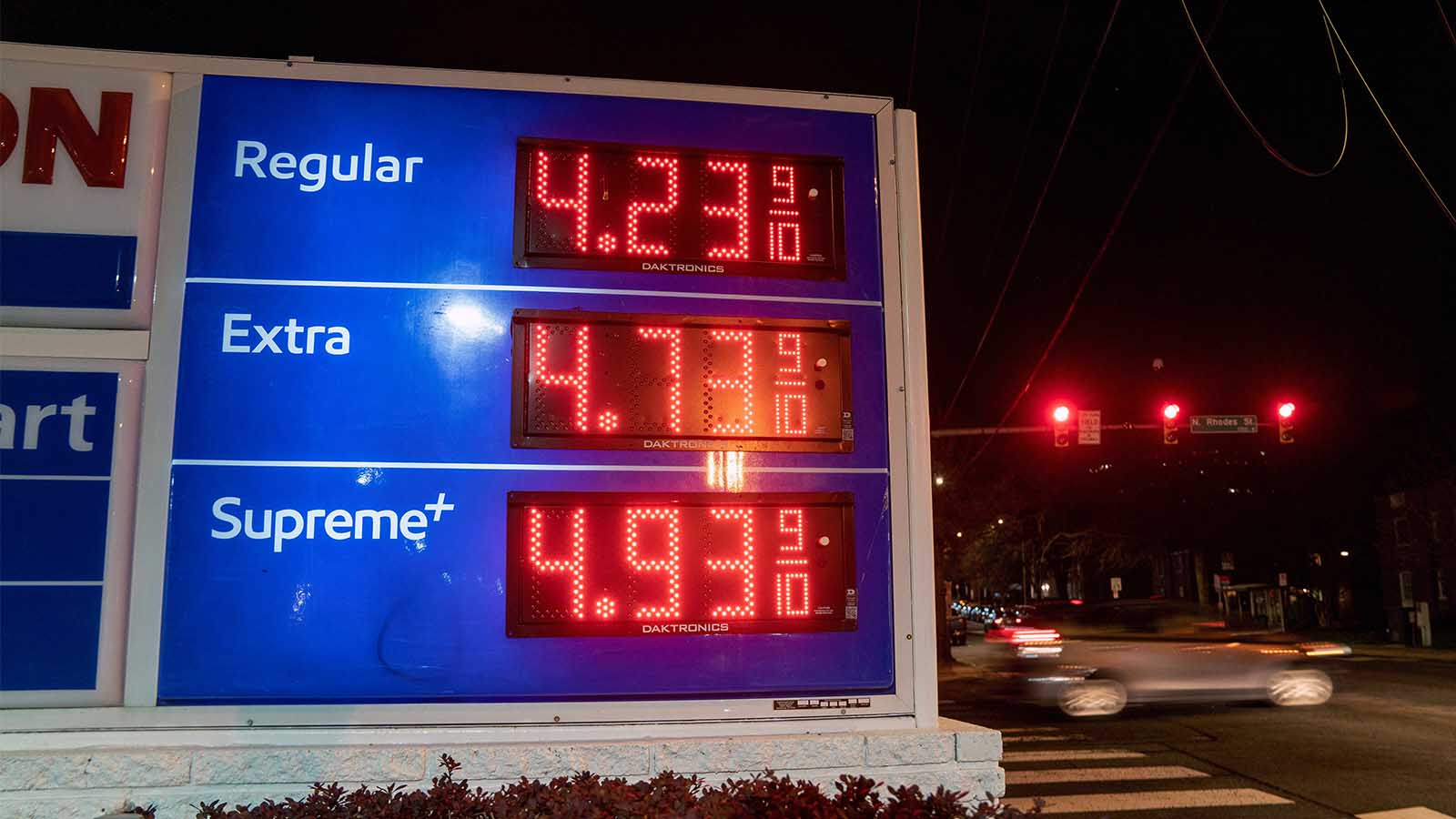
Last Saturday evening in Greenbelt, Maryland, a Nigerian family sat around a dining table weighing a familiar question with new urgency: Do we still travel for Easter—or stay home this year? The answer, increasingly, is being shaped not by tradition, but by the price of fuel.
Across United States, rising gas prices—and the ripple effect on airfare—are quietly reshaping how African immigrants plan travel for two of the year’s most important celebrations: Christian Easter to celebrate the resurrection of Christ and, Islamic Eid al-Adha also known as Ileya.
For decades, these holidays have been marked by movement. Families traveled across states, crossed into Canada, or boarded long-haul flights to Lagos, Accra, or Nairobi. But in 2026, many are recalibrating not only because of the increasing pump prices but also because of delays at the airports as a result of the partial shutdown of the Department of Homeland Security (DHS), making Transportation Security Administration (TSA) officer work without a paycheck.
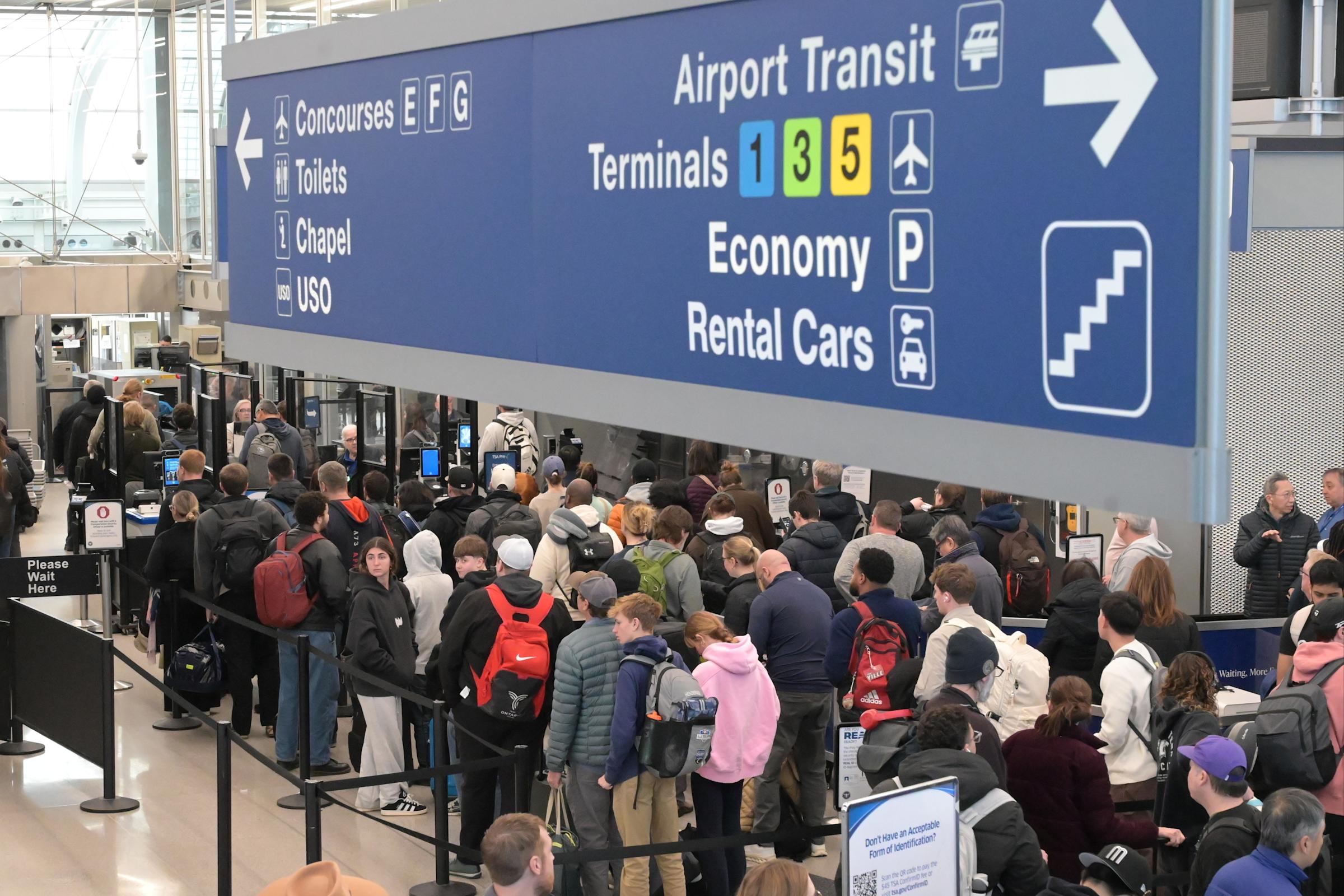
“Flights are just too expensive this year,” said Kwame, a Ghanaian graduate student at the University of Maryland, College Park, who opted to cancel plans to visit relatives in New York for Easter in April. “Kwame adds” Airport delays are getting worse, instead, we’re hosting everyone here, hopefully they can show-up”
That shift—from travel to hosting—is becoming a defining trend for some. For others the strategy is prioritization. “Our plan is to remain here in Maryland for Eid al-Fitr” (which marks the end of Ramadan) said Demola, Oreagba, a Nigerian American businessman and owner of Midas Shipping and Freight “We plan to go home for the Eid al-Adha and celebrate Ojude-Oba Festival in my Nigerian hometown.” He added.
For many, the first adjustment is practical. Instead of booking flights, families are turning to road trips. But even that comes with compromise. Longer drives now require careful budgeting, route planning, and often carpooling.
A Rwanda family in Dayton, OH described coordinating with relatives to travel together in one vehicle for Sallah prayers and celebrations, splitting fuel costs along the way. “We still go,” one family member said,” but we go smarter.”
Air travel, once the fastest link between diaspora communities, is now the first expense to be cut. Higher jet fuel costs have pushed ticket prices upward, making even short domestic flights feel like international splurges.
Yet the story is not one of retreat—but reinvention.
In cities with large African populations—Atlanta, Maryland,Minneapolis, Washington, DC—Christian and Islamic holiday gatherings are growing larger, more vibrant, and more local. Churches and mosques are becoming central hubs, drawing families who might otherwise have traveled elsewhere.
What might have been a quiet holiday at home is now evolving into a community-centered celebration—with shared meals, extended guest lists, and a renewed sense of belonging.
If travel is shrinking, culture is not.
Tables are still filled with familiar dishes—Jollof Rice, egusi soup, suya, Cassava soup and sweets prepared for the gatherings. Music will still play. Children still dress in traditional attire. While location may be different this year, the religious meaning will probably remain. In fact, some say the shift has strengthened community ties. Without the distraction of travel logistics, families are spending more time together—hosting, cooking, and celebrating in place. For African immigrants, holidays like Easter and Sallah have always been about connection—across distance, across generations, across continents. Rising gas prices may be shortening the physical journey, but they are not diminishing its purpose
Top of Form
Bottom of Form