
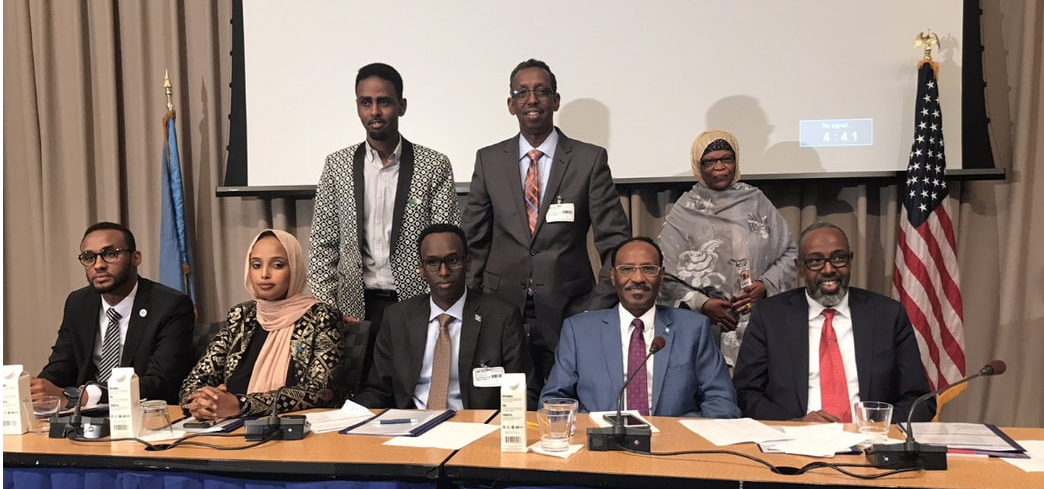
In St. Paul, Minnesota and Columbus, Ohio, Somali families have spent decades building lives, businesses, and communities. Many arrived as refugees fleeing civil war, hoping for safety and opportunity. In recent years, however, the national political climate—especially rhetoric and policies during the reign of Kristi Noem as Homeland Security Secretary has made daily life feel more uncertain.St. Paul is part of the larger Twin Cities region, home to one of the largest Somali communities in the United States. Neighborhoods are dotted with halal markets, mosques, and community centers that serve as anchors in a shifting political landscape. When national headlines carry negative portrayals of Somalis, local leaders in St. Paul often respond by doubling down on visibility and unity. Community organizations host forums to explain new immigration rules, legal clinics to help families understand their rights, and youth
Columbus has become another major hub for Somali immigrants, especially along busy commercial corridors where Somali-owned restaurants, clothing shops, and daycare centers line the streets.
For many, these businesses are both a livelihood and a statement: “We belong here.” During this new era, increased immigration enforcement and hostile rhetoric have left some Somali residents feeling watched and vulnerable. Stories of early-morning visits from immigration officers or online accusations against Somali businesses spread quickly through WhatsApp groups and community networks.
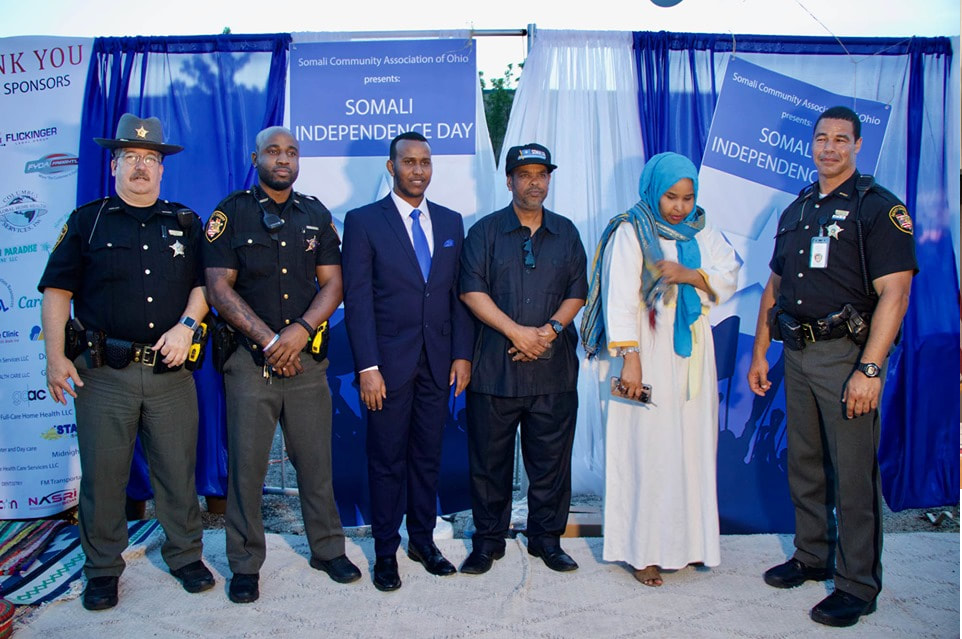
In response, Somali community leaders in Columbus have worked closely with local officials, faith groups, and advocacy organizations. Public events, press conferences, and solidarity rallies send a clear message that Somali residents are part of the city’s fabric. At the same time, behind the scenes, lawyers and organizers help families prepare documents, know their rights, and create safety plans in case of immigration raids or legal issues.
Across both cities, survival is not just about policy—it is about daily resilience. Somali families lean heavily on faith, gathering at mosques for prayer and mutual support. Inside homes, parents juggle multiple jobs, language barriers, and paperwork while trying to protect their children from discrimination and anxiety. Many young Somali Americans, born or raised in the U.S., find themselves translating not only English words for their parents, but also the meaning of political debates and news headlines.