
In Cleveland, Ohio, a city better known for guitars than talking drums, the Rock and Roll Hall of Fame finally made room for a different kind of rhythm. This April 2026, Fela Kuti and Sade Adu—two artists with district sounds and deep influences—are welcomed as inductees into the Class of 2026, marking a major milestone for Nigerian music.
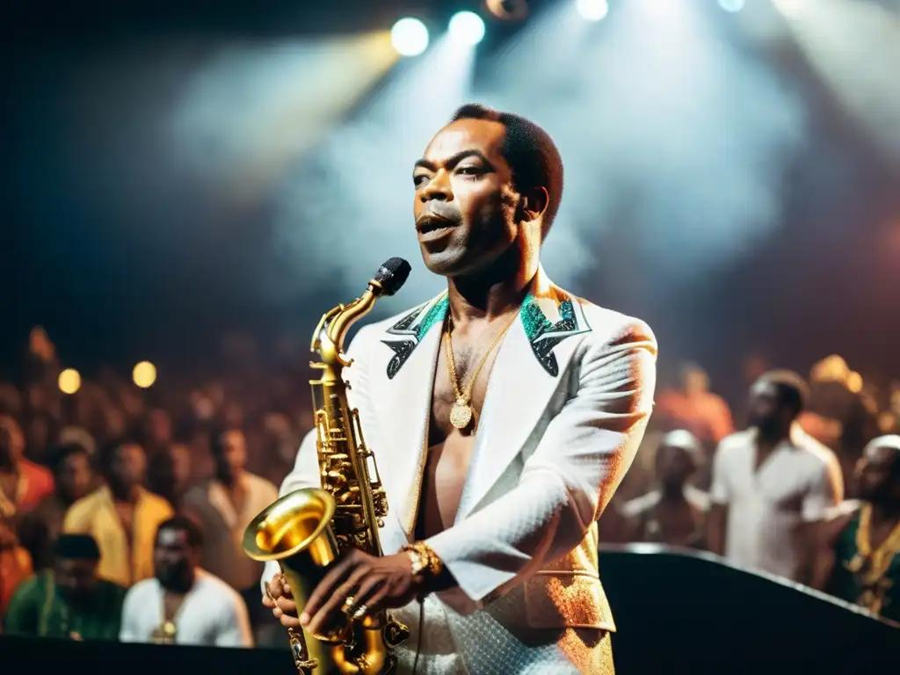
Fela, “Abami Eda”, arrives as a force that was never easily contained. As Afrobeat originator—Fela’s music is horn-driven, politically charged, defiantly relevant—In Lagos, he built a republic of sound, one that challenged military regimes and colonial legacies with the same relentless groove. Fela’s songs often stretched into sermons and rallying anthems. To listen to Fela is to be enlisted.
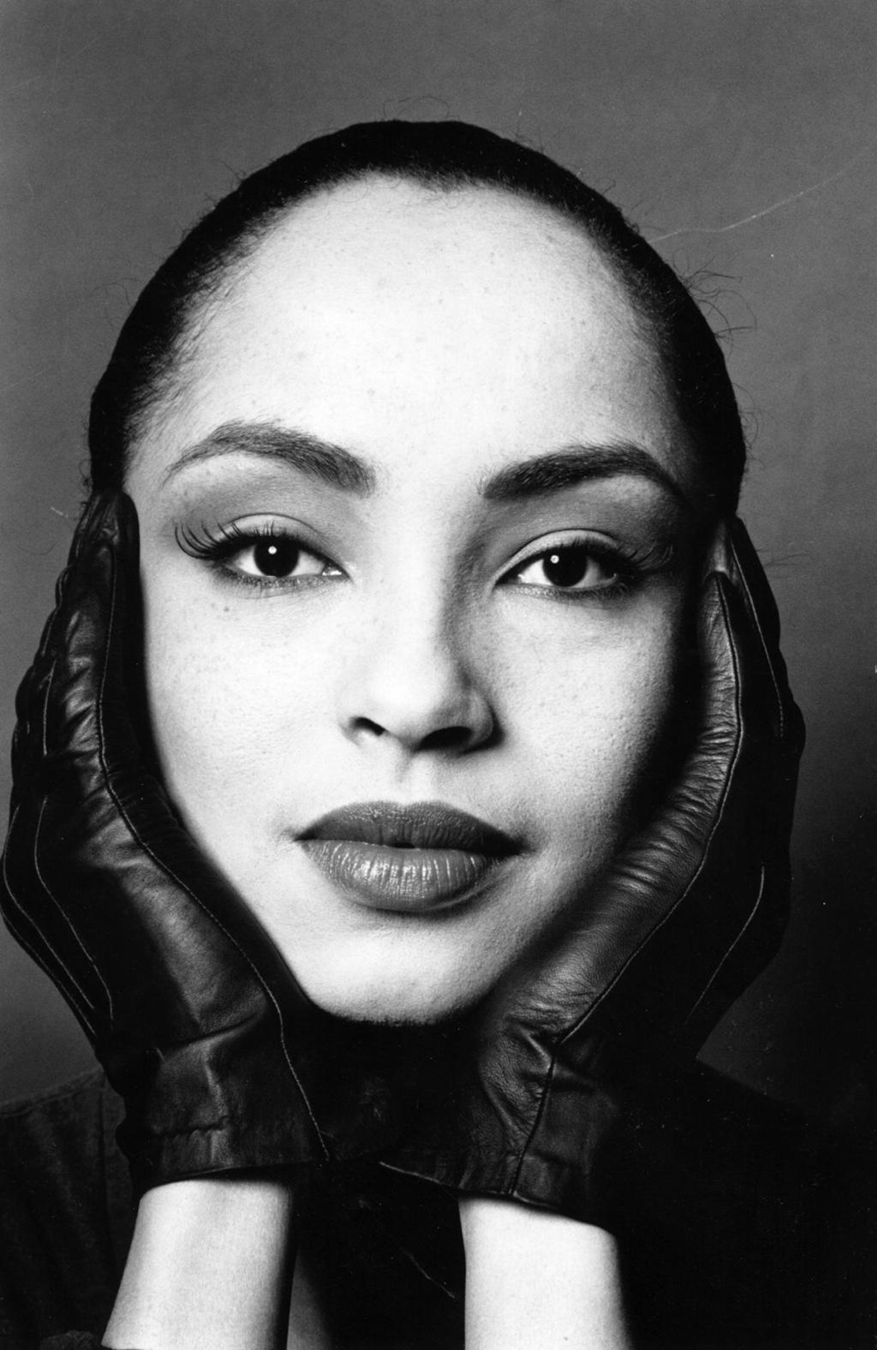
Sade, by contrast, mastered the art of understatement. Her voice—cool, restrained, impossibly controlled—floated above arrangements that blended soul, jazz, and pop into something quietly radical. Where Fela roared, Sade whispered,
While Fela‘s tunes like Zombie, Teacher and Lady spit fire. Sade’s tunes like Smooth Operator, Sweetest Taboo,” and “No Ordinary Love are draped in finesse. Yet both reshaped the emotional vocabulary of modern music. In an industry that rewards excess, Sade built a career on elegance and distance, becoming, in the process, one of the most sampled and studied artists of her generation.
The joint induction of Fela Kuti and Sade Adu feels more like a correction than a coincidence. For decades, African and diasporic sounds have powered global music trends while remaining on the margins of institutional recognition. Afrobeat rhythms echo through hip-hop and pop; Sade’s sonic minimalism informs everything from R&B to electronic music. The Hall, long accused of looking inward, now looks outward—toward Lagos, toward London, toward the wider world.

In Cleveland, where the ceremony unfolds, symbolism is hard to miss. The museum, perched on the edge of Lake Erie, has always told a story about rebellion—about music that challenged norms and redrew boundaries. What unites Fela and Sade is not style but stance: a refusal to conform and a commitment to authenticity. These inductees understand that music, at its best, is both personal and political.
The Hall of Fame has finally caught on.