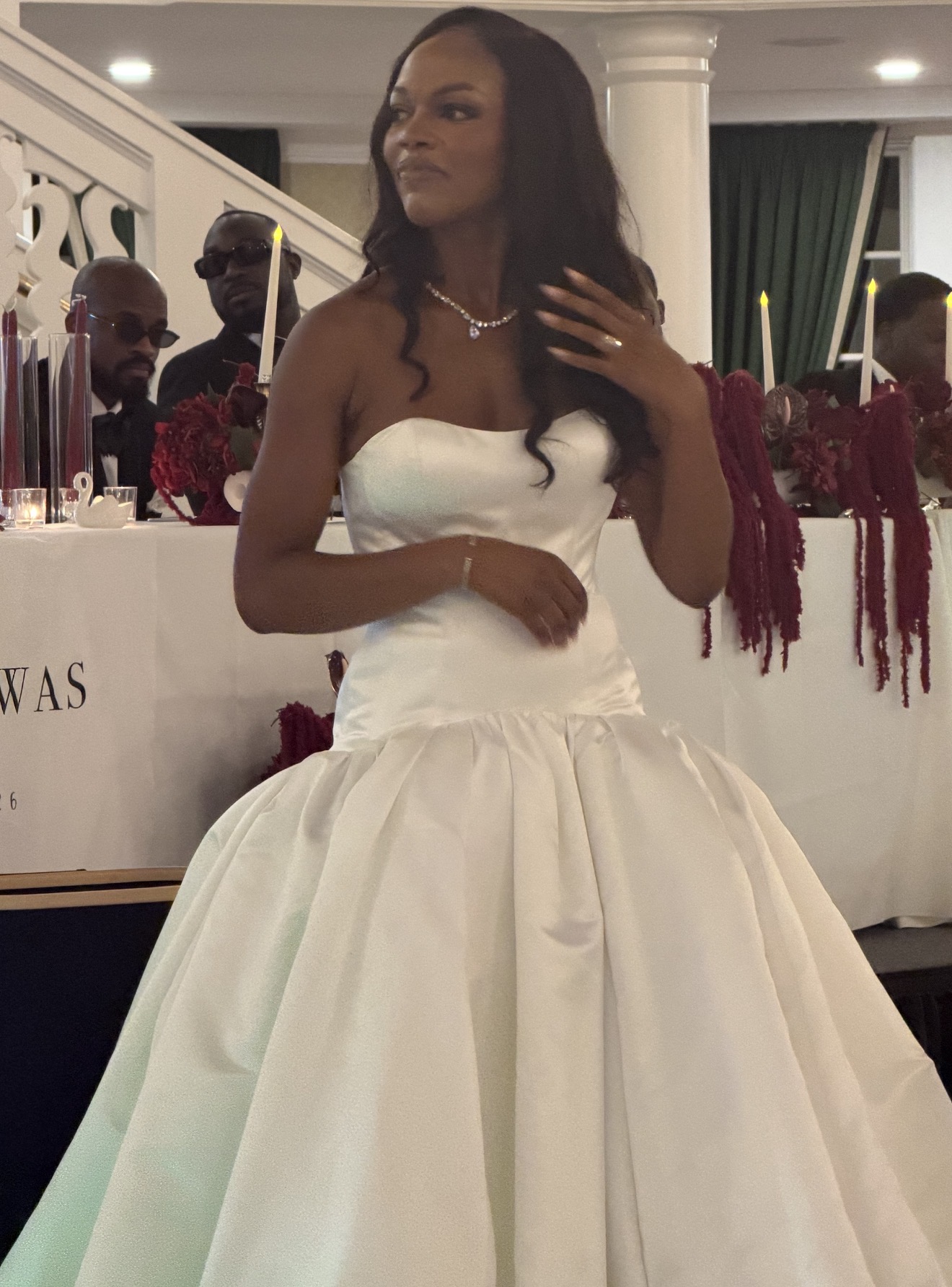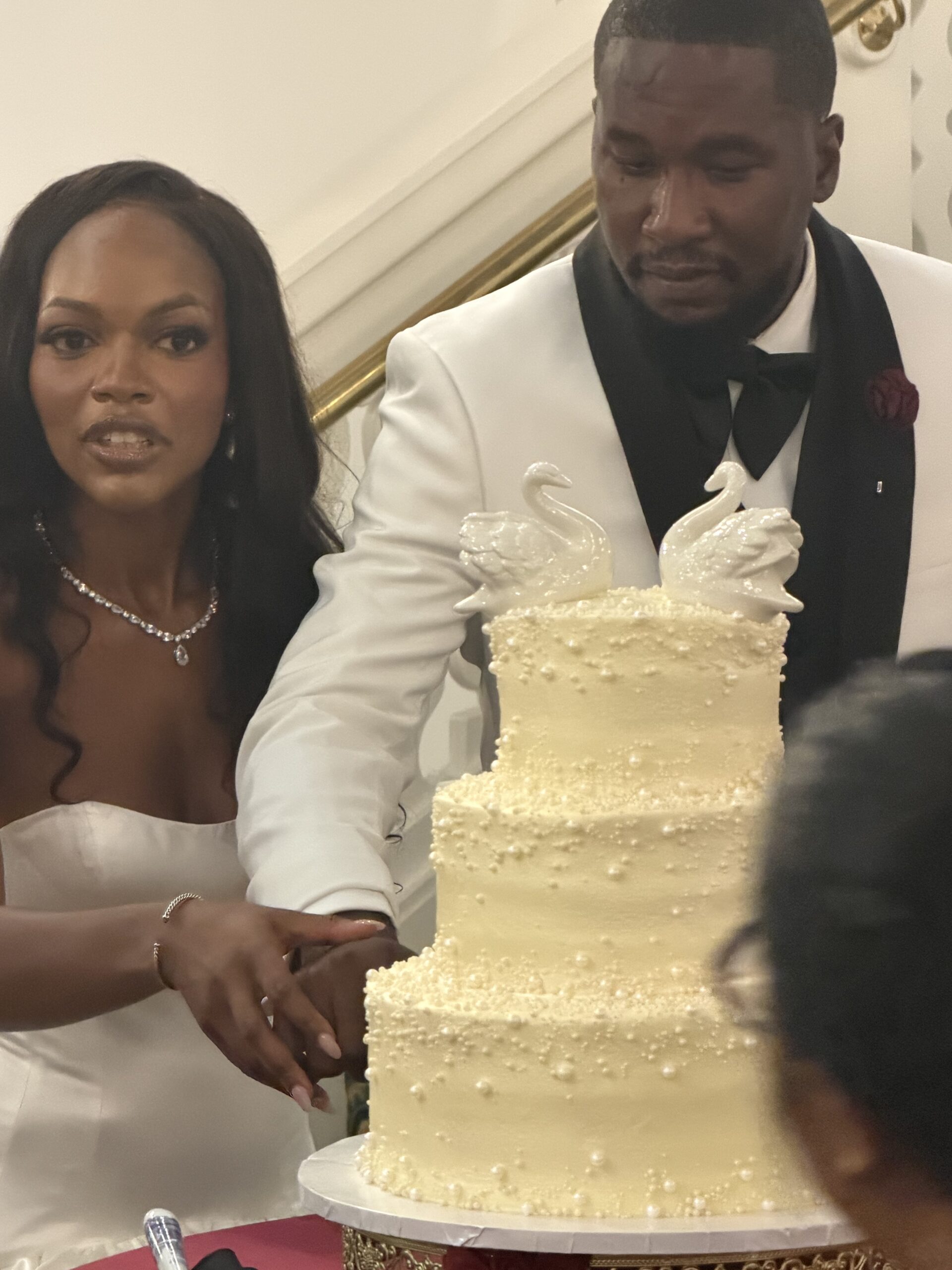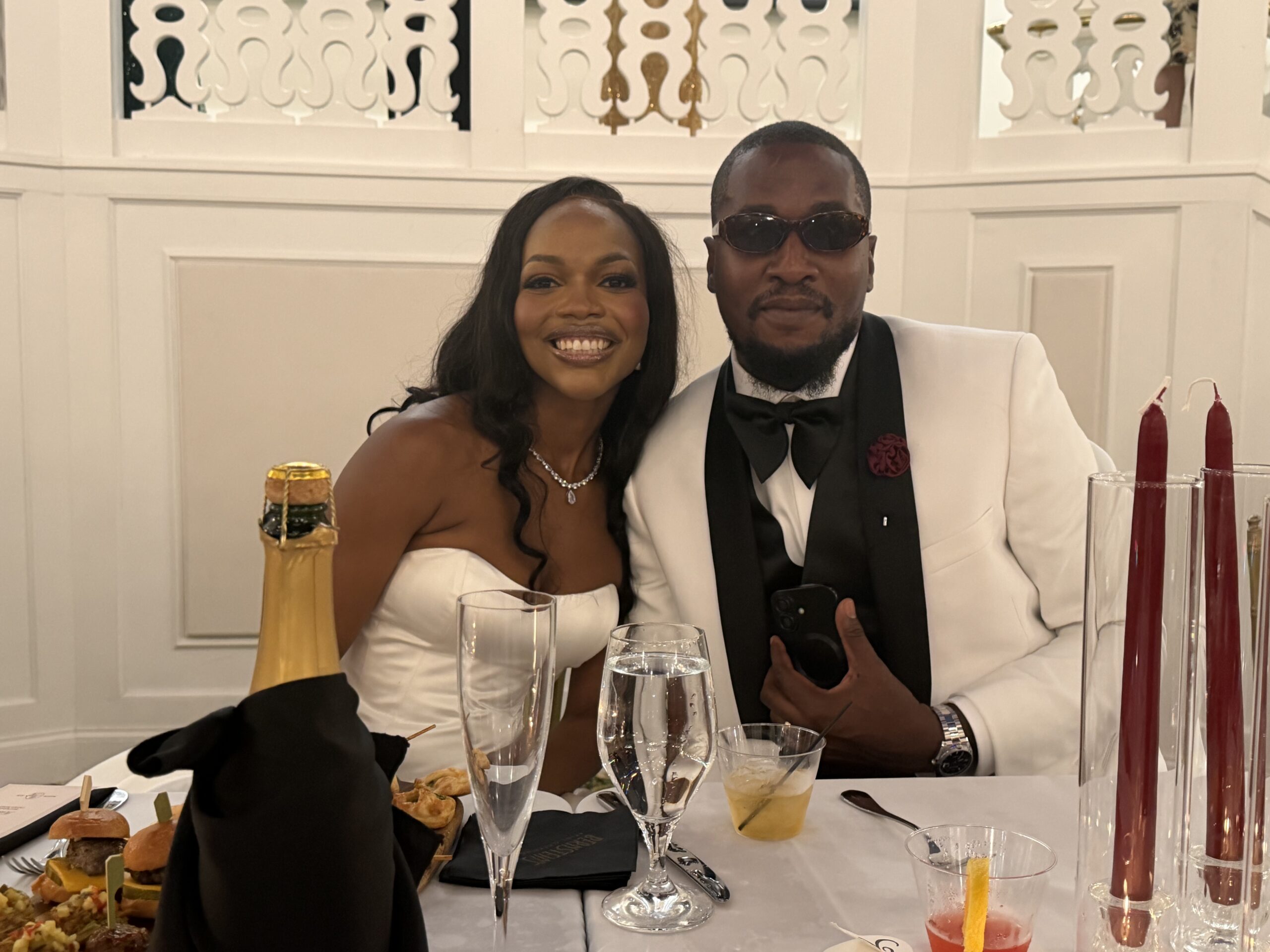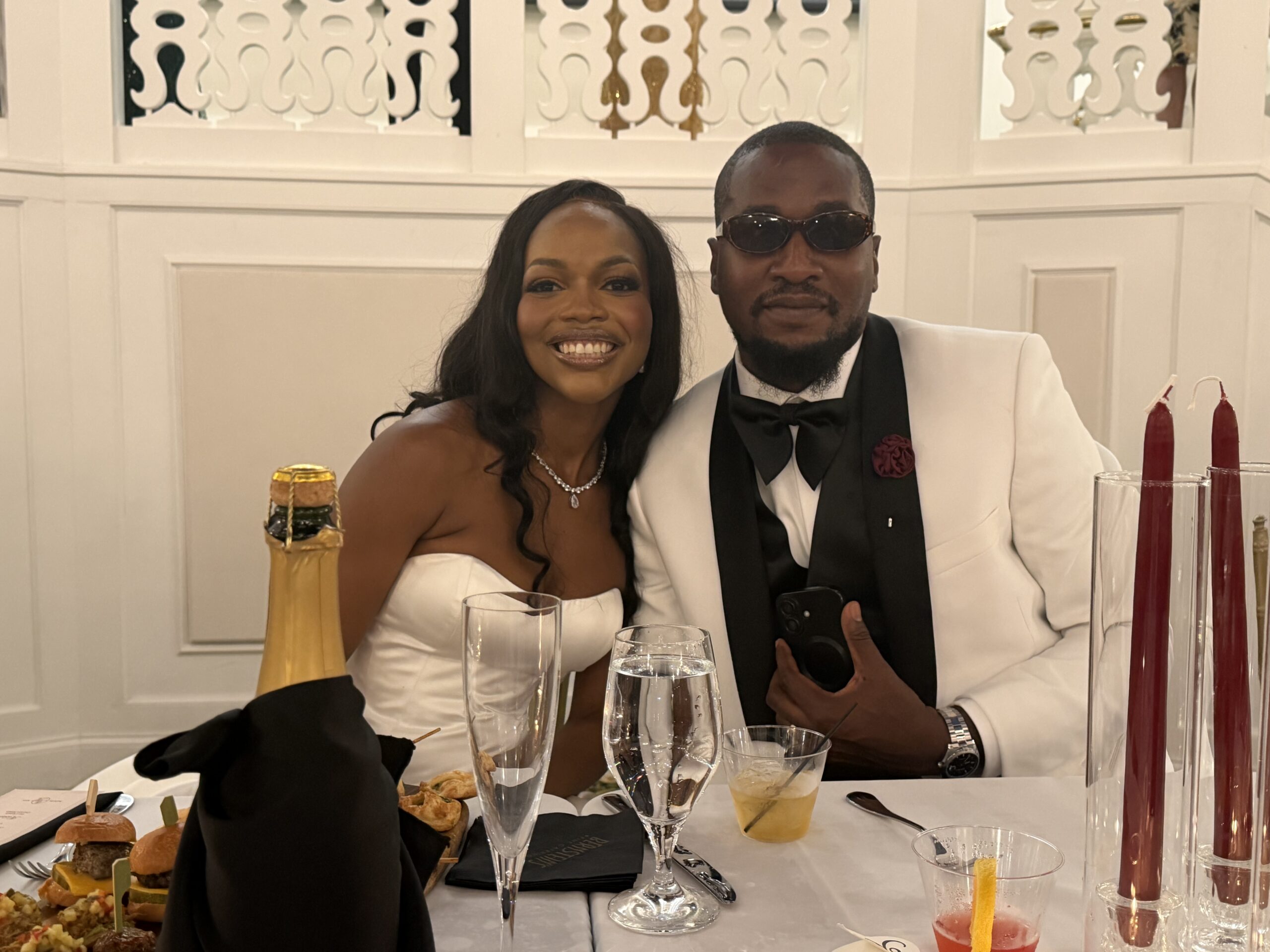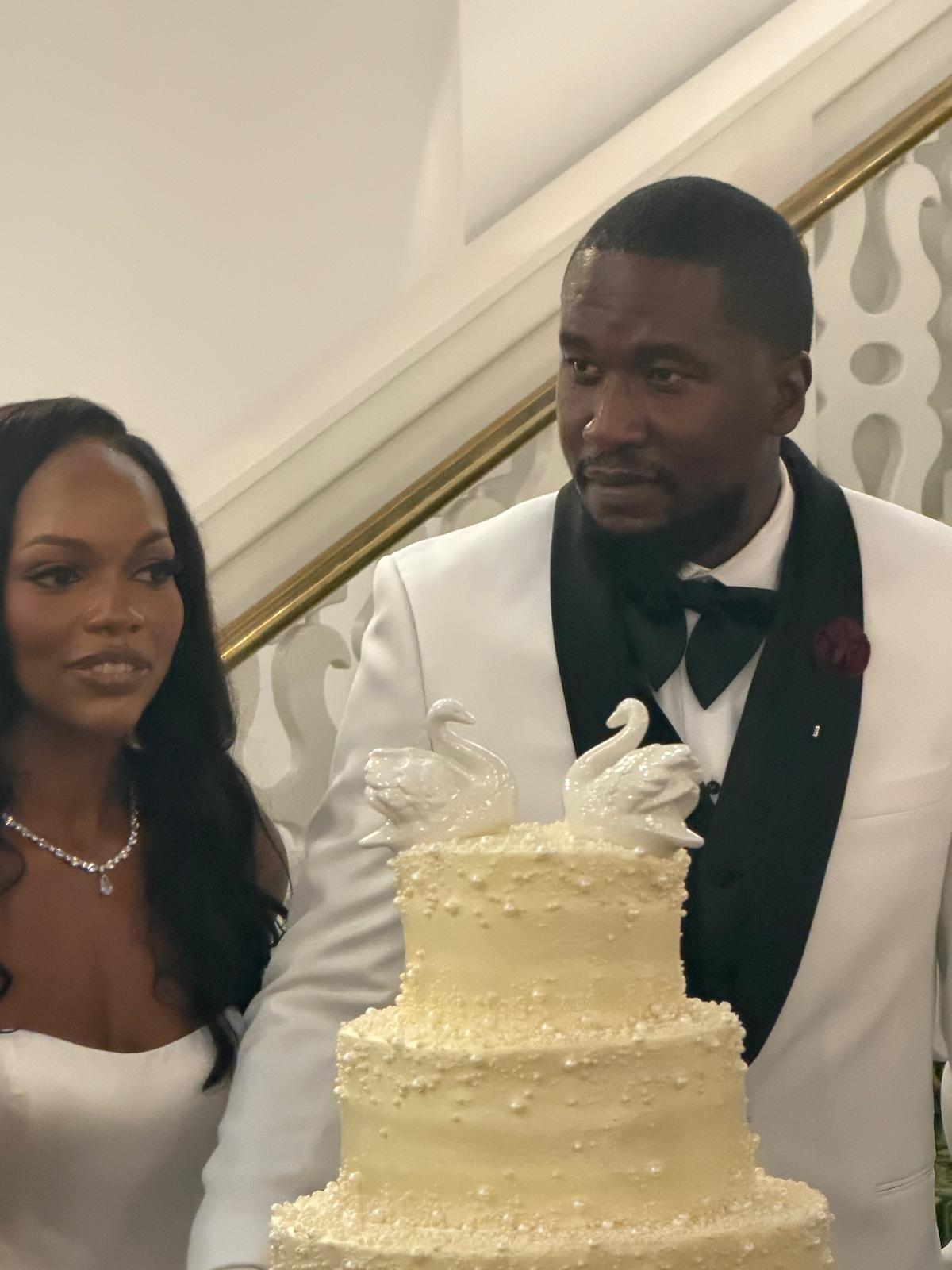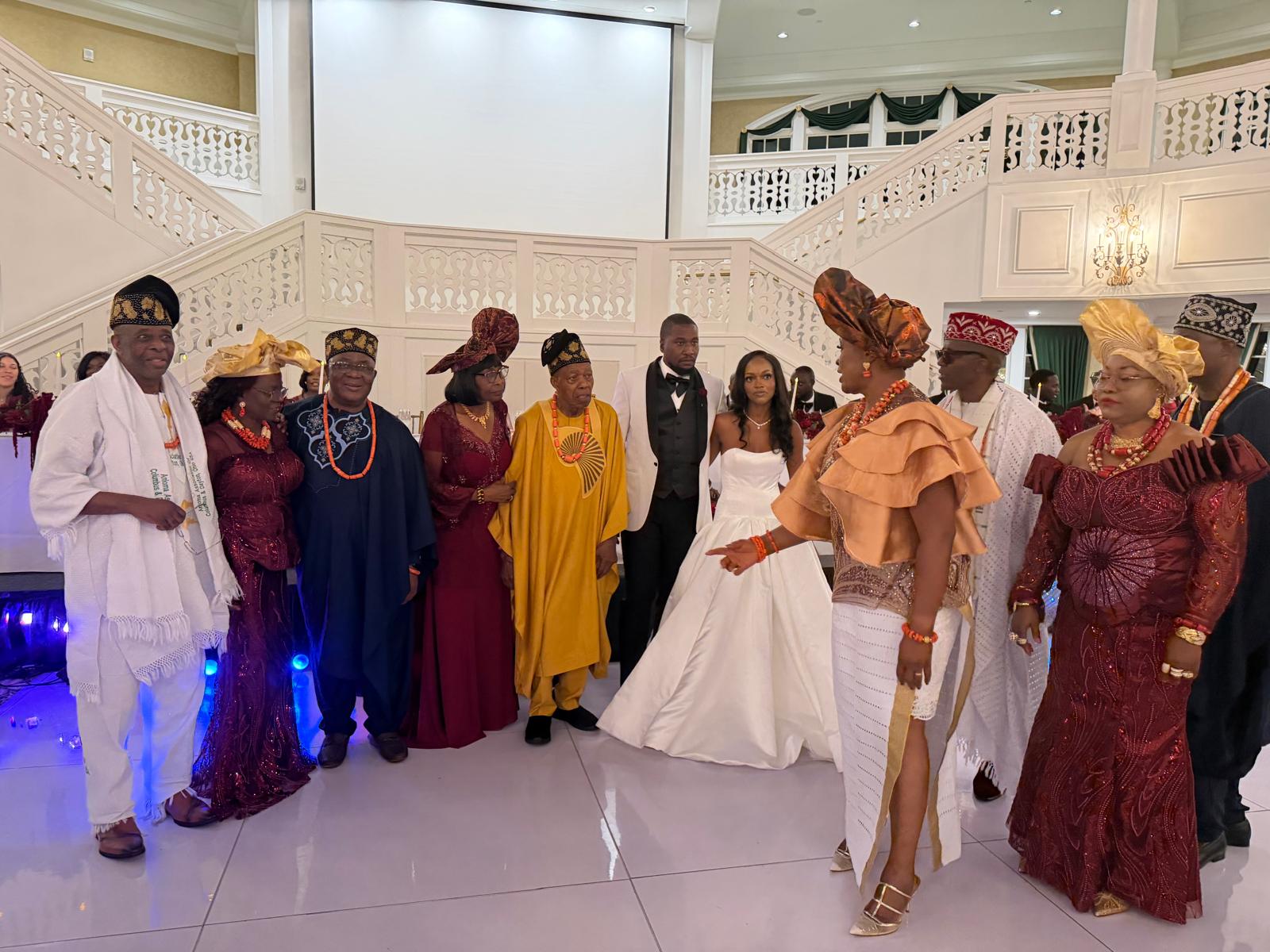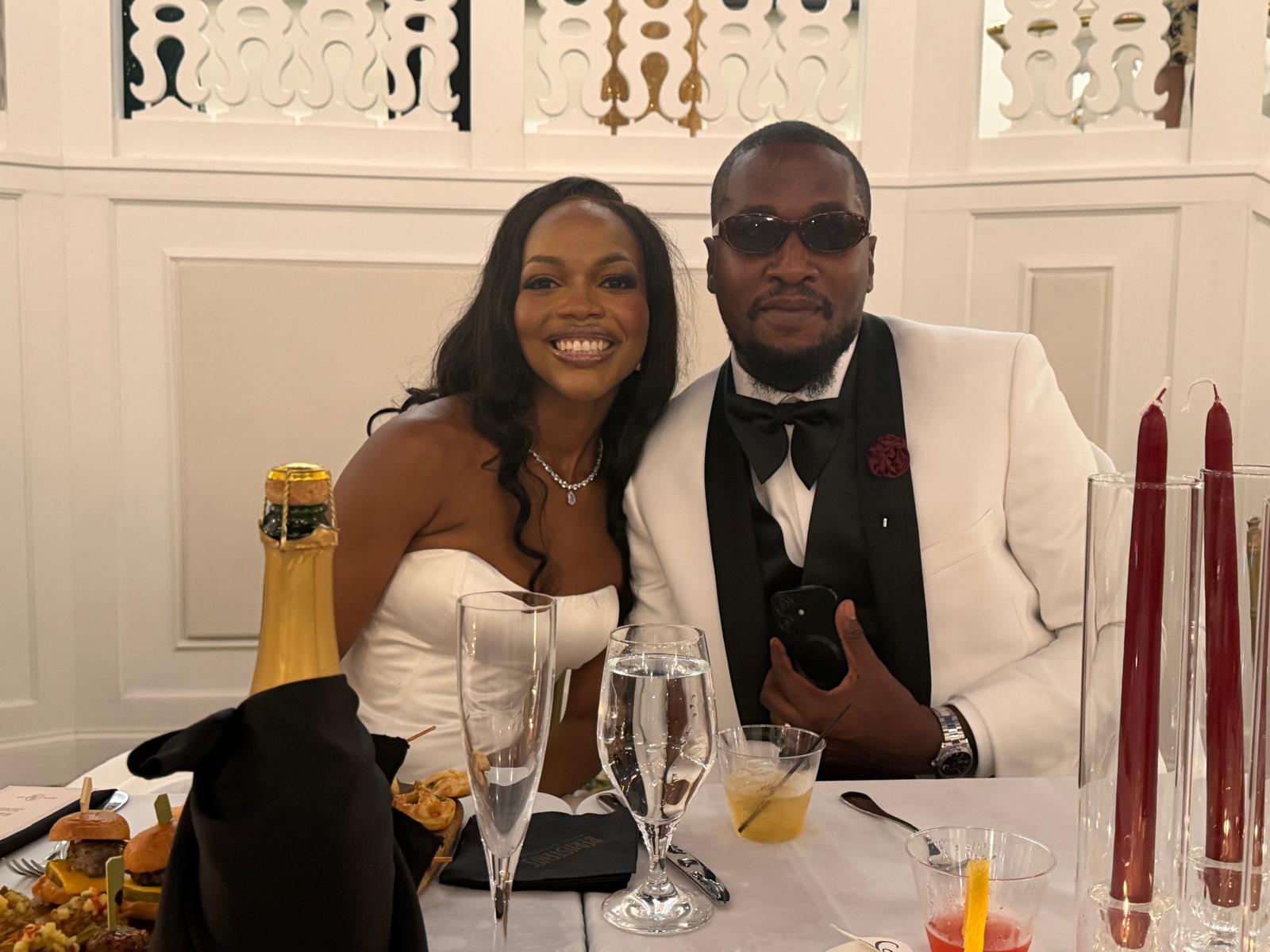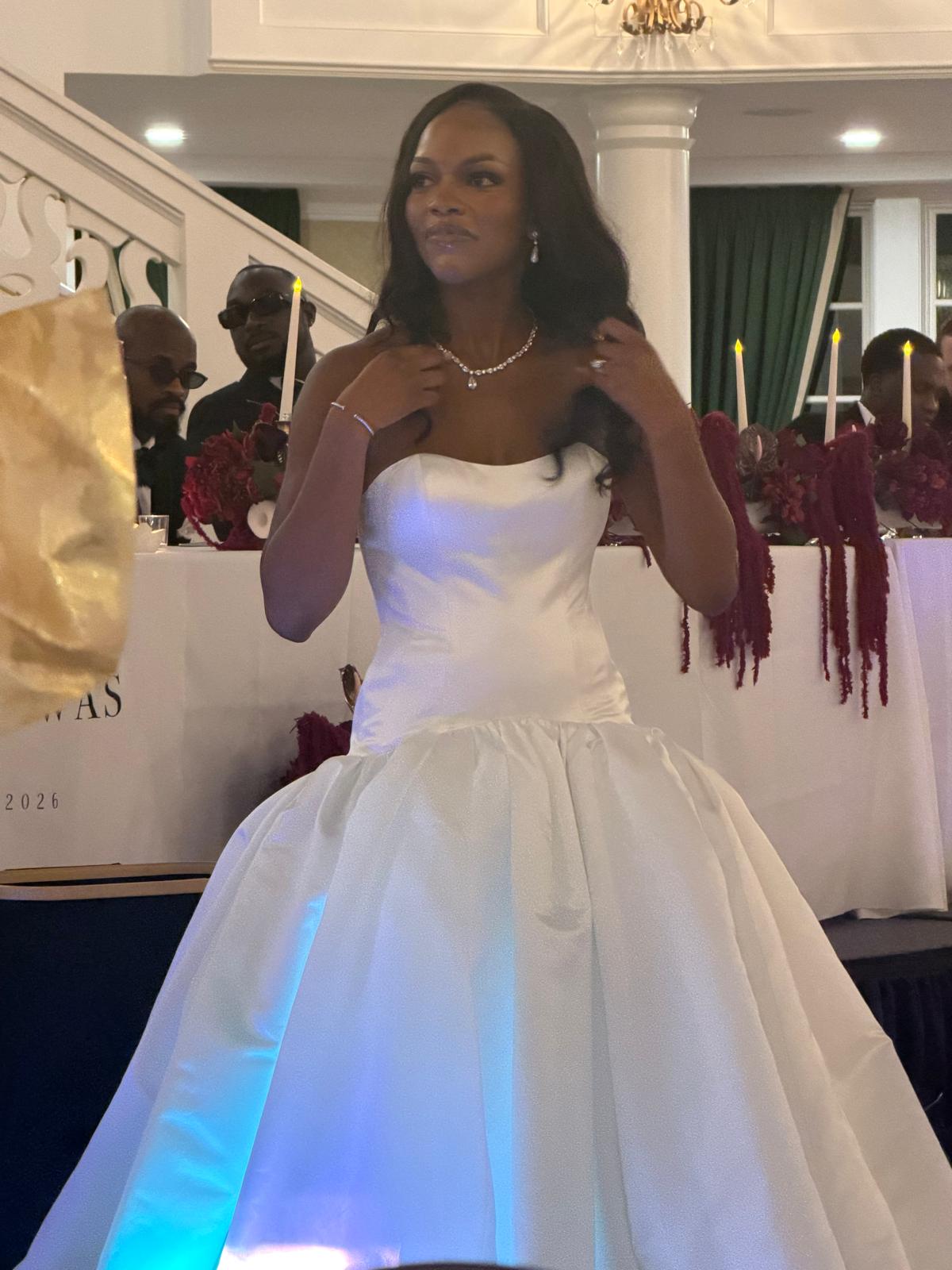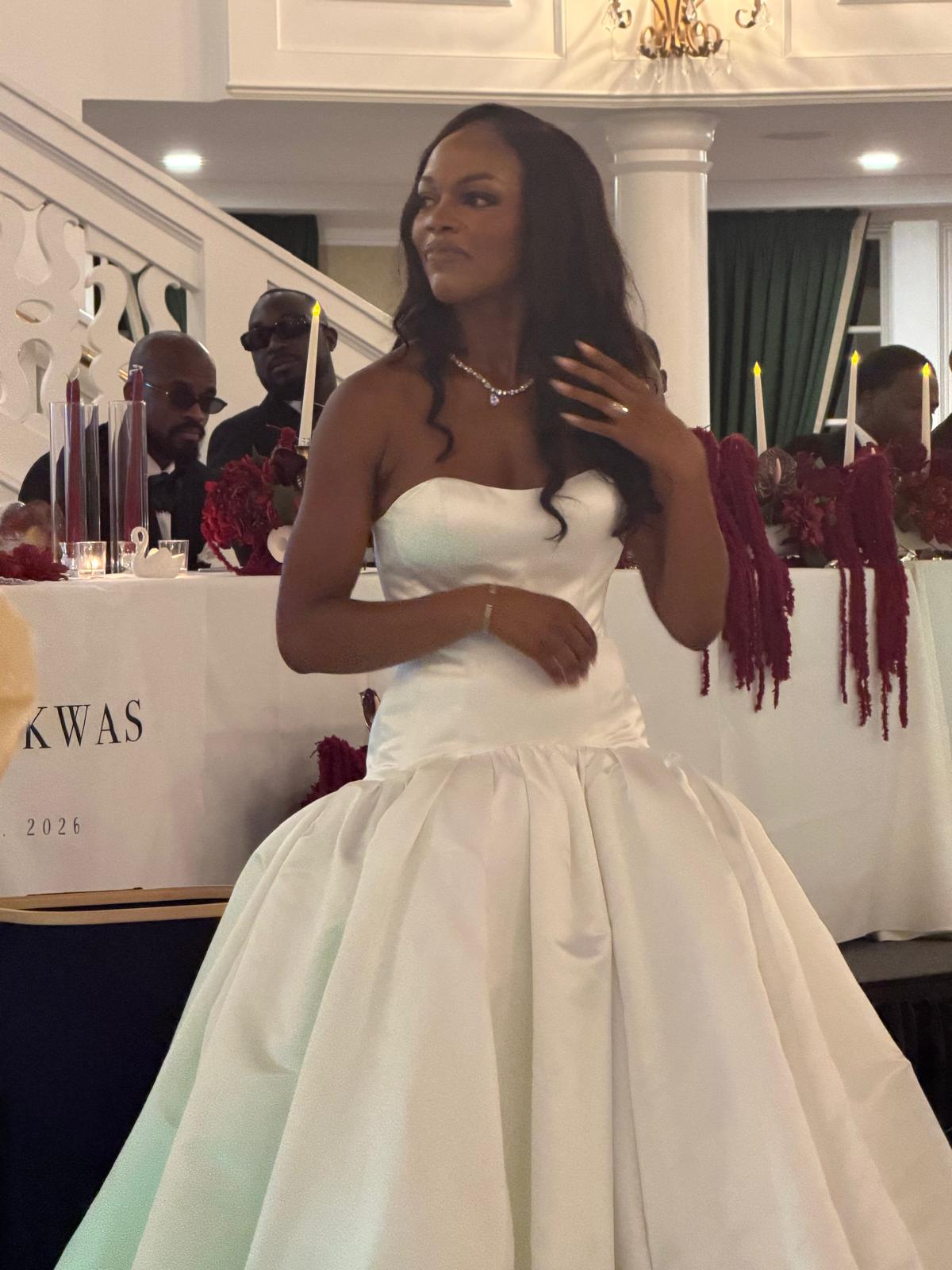
DAYTON, OHIO — When beautiful Ohio State University finance graduate Isabella Anene married handsome cybersecurity analyst Kalu Ukwa during the weekend of October 9–11, 2026, the celebration arrived with a rather ambitious unofficial title: Dayton’s Wedding of the Year. Of course, 2026 is not over. Somewhere in the Miami Valley, another couple may still be plotting a spectacular entrance, a larger reception, or a wedding cake tall enough to require its own building permit. But until that happens, John Anene and his family may comfortably enjoy the bragging rights.
And they have a compelling case. Not simply because the festivities stretched across three days. Not because the food and cocktails flowed generously. Not even because the bride and groom appeared unmistakably in love—although, for a wedding, that remains a rather useful qualification. The real distinction was something money cannot easily purchase: a community genuinely delighted to celebrate two families and the beginning of a new marriage. For Dayton’s Nigerian community, the Anene-Ukwa wedding was more than a social engagement. It was a collective expression of affection, friendship, cultural pride, and the extraordinary capacity of immigrant communities to turn personal milestones into public celebrations of belonging.
Three Days, Several Cultures, One Big Celebration
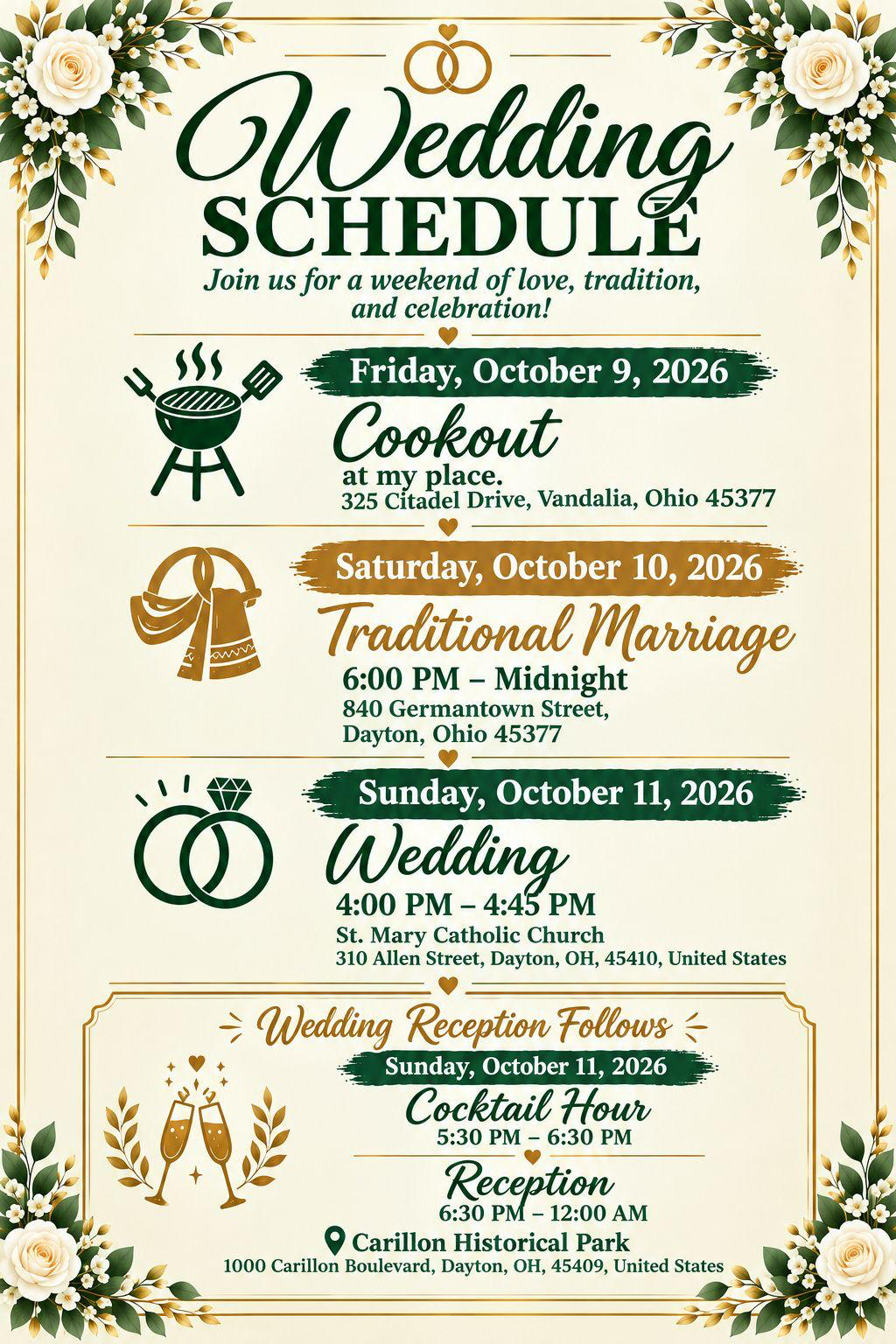
The festivities began with a cookout that brought together guests across racial, ethnic, and generational lines. There was food, laughter, family entertainment, and the easy familiarity of people discovering that friendship requires no shared passport. Then came the traditional marriage ceremony, where Igbo customs took center stage. For Nigerian families, particularly those of Igbo heritage, the traditional wedding is not merely a colorful prelude to the main event. It is a central expression of family, ancestry, identity, and communal recognition.
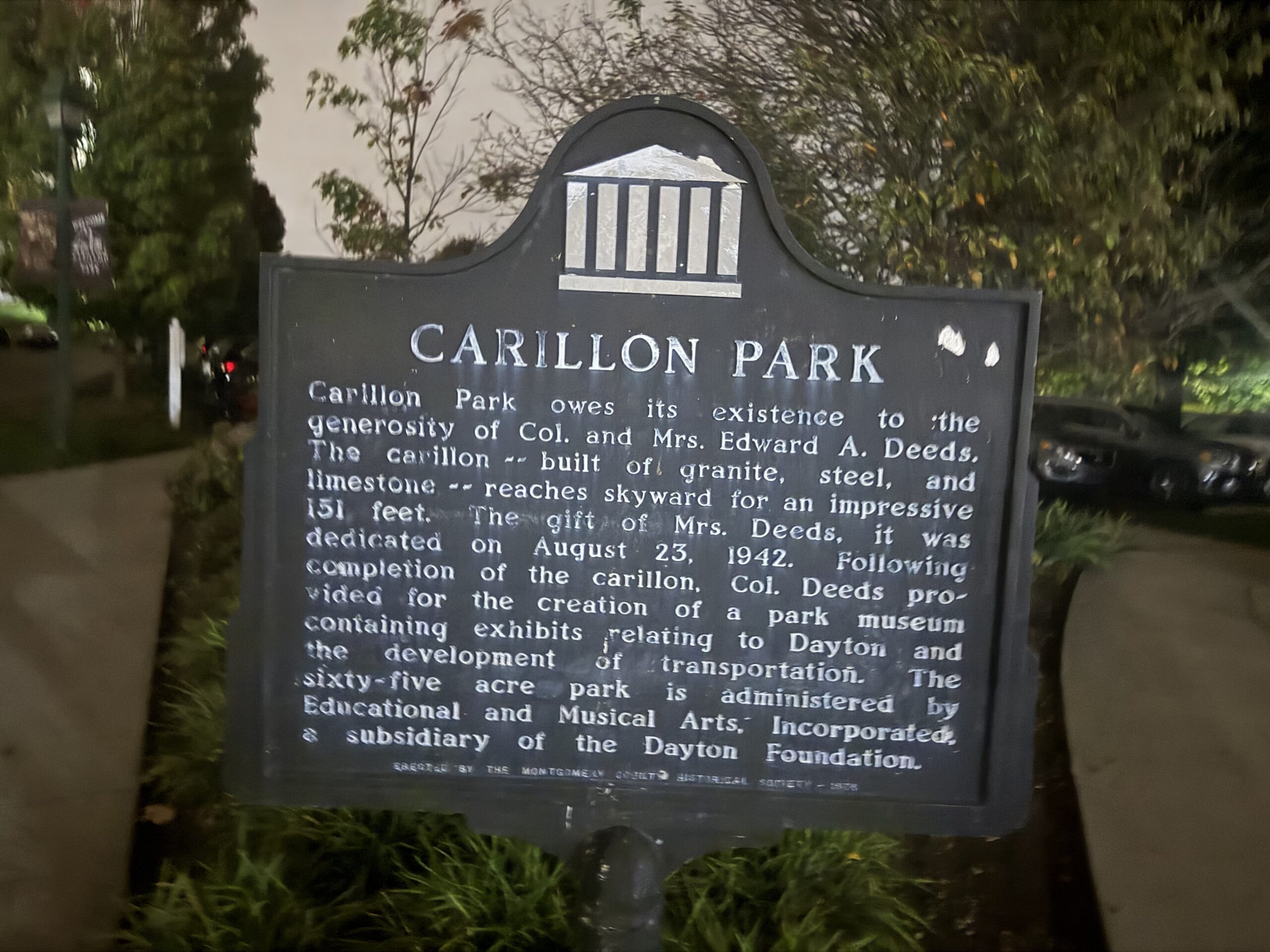
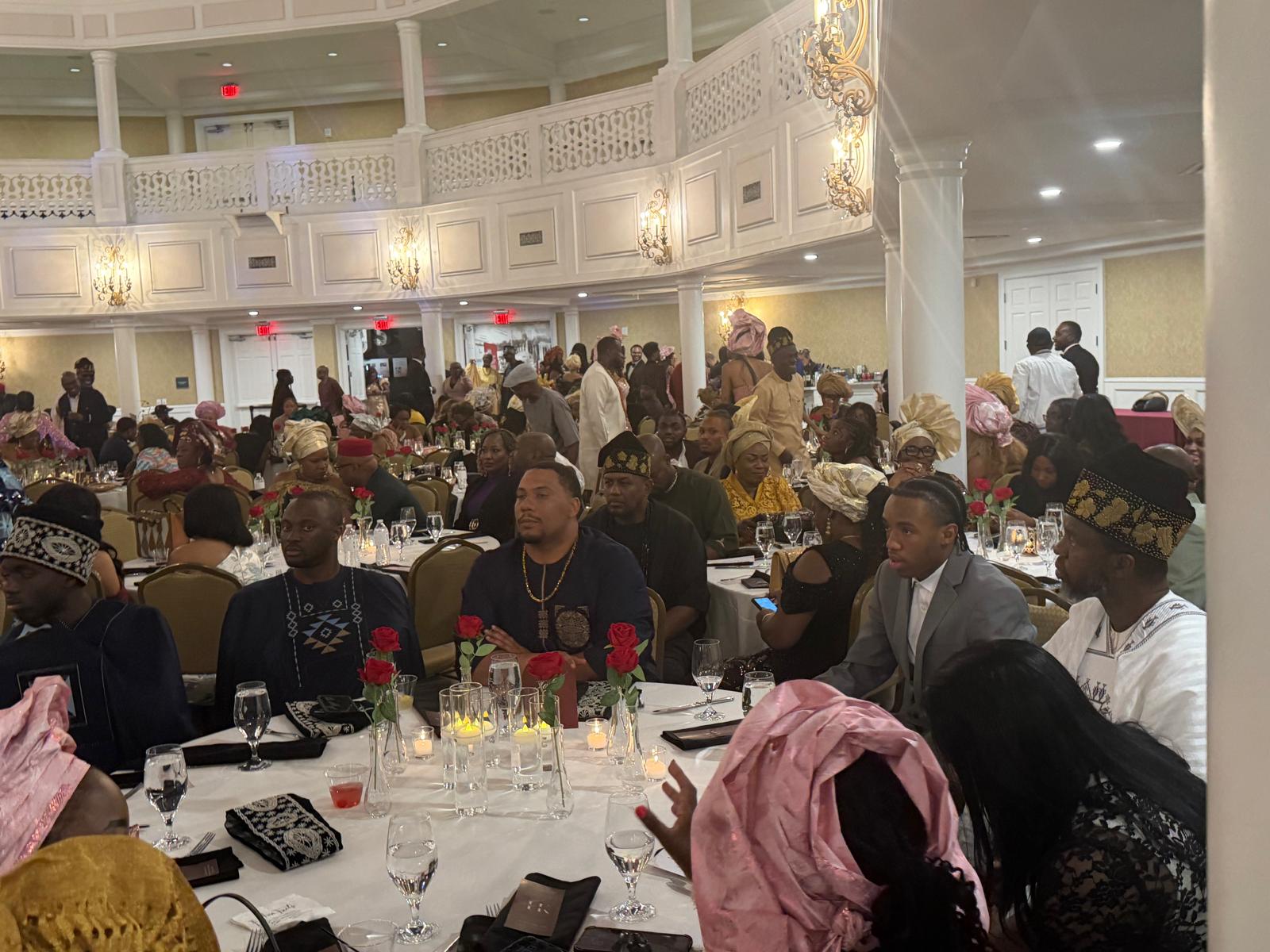
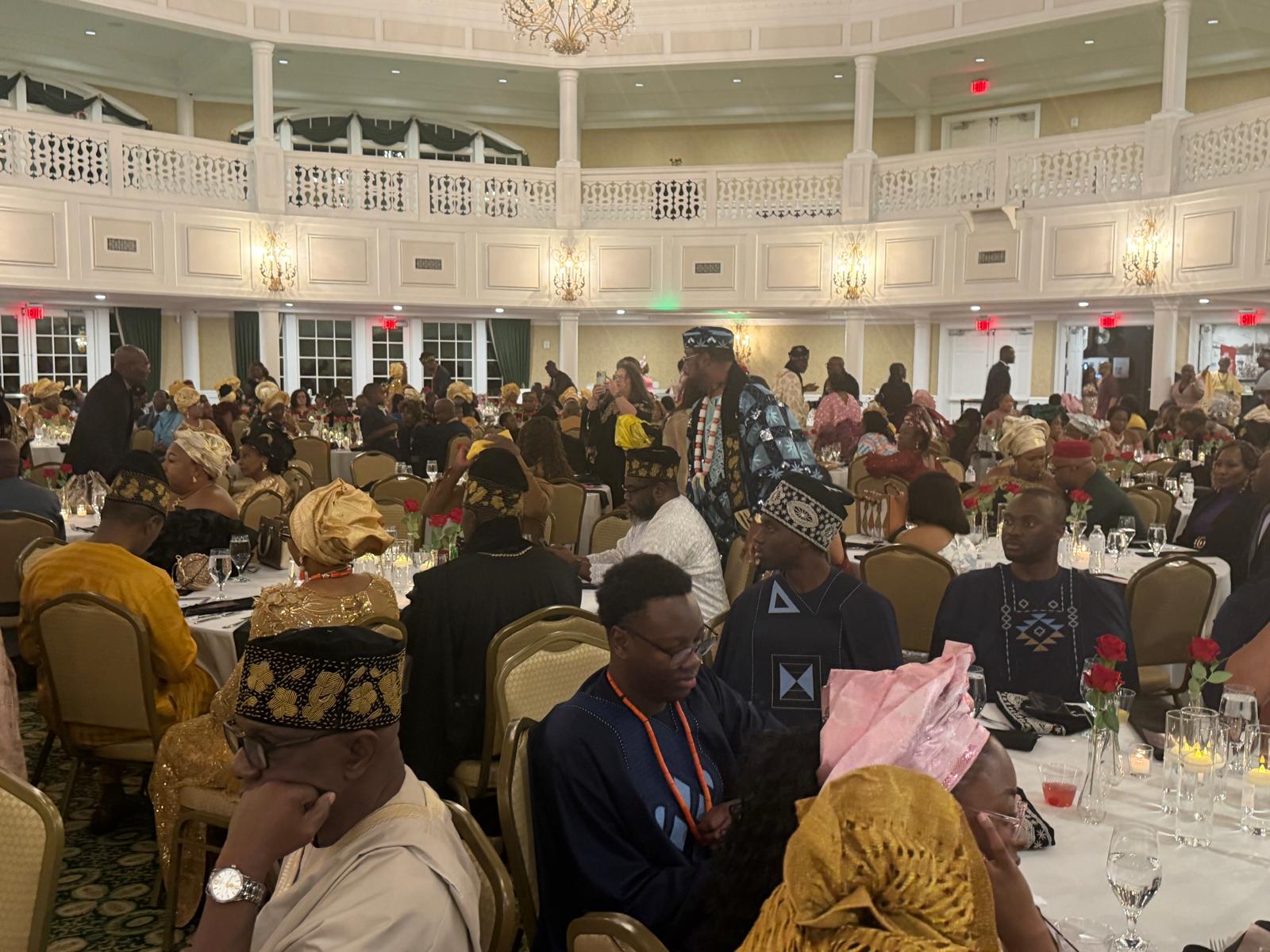
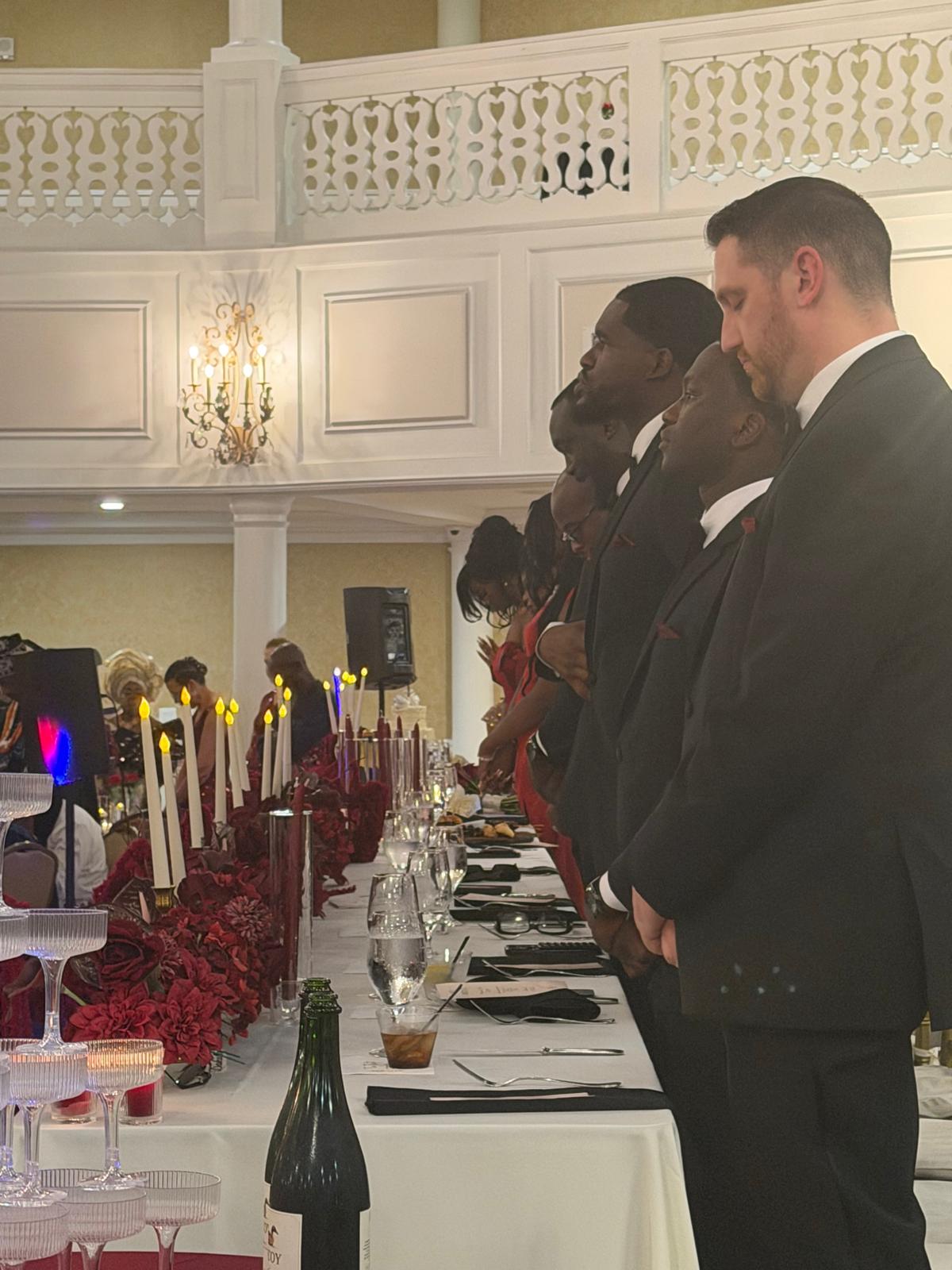
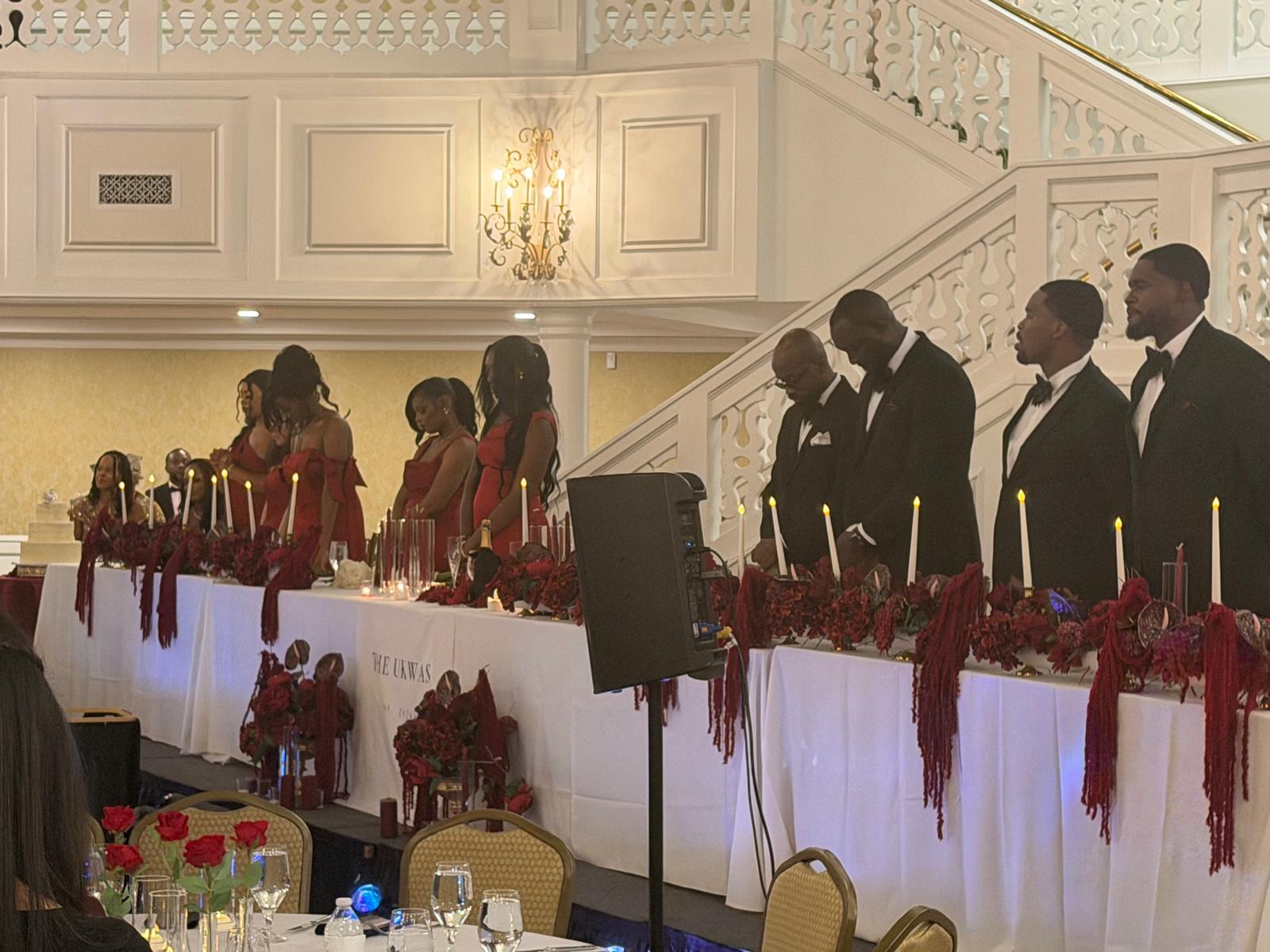
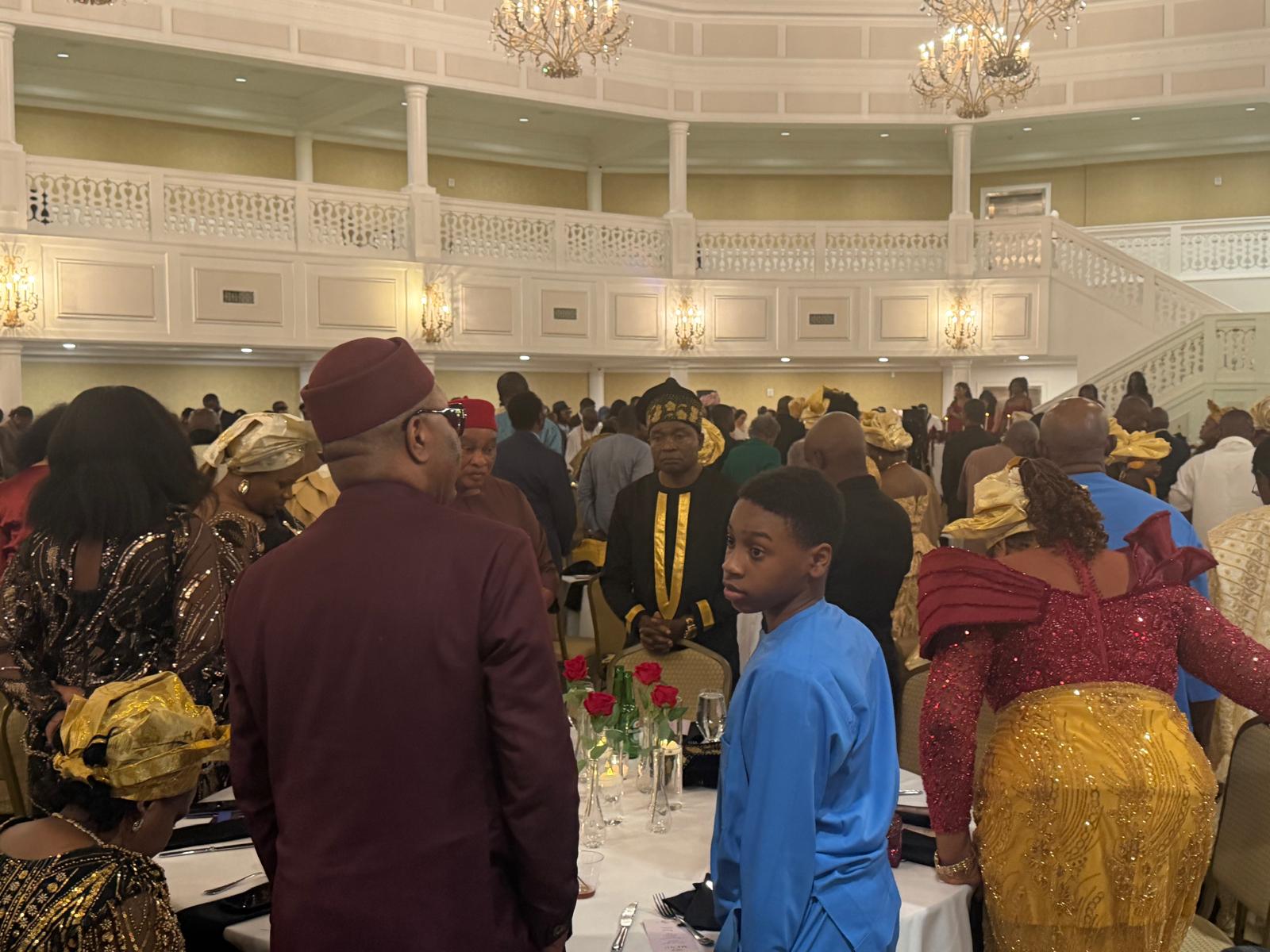
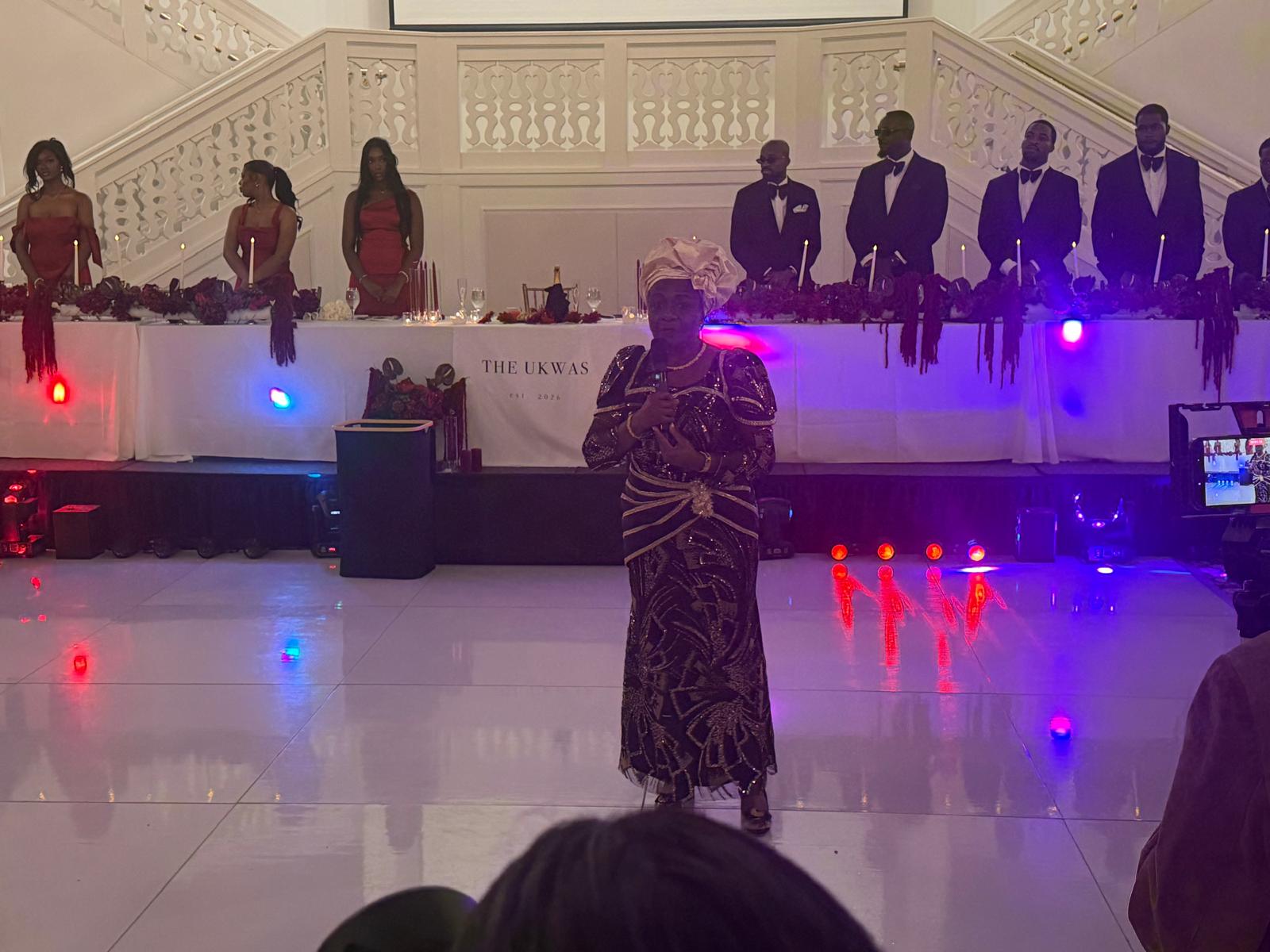
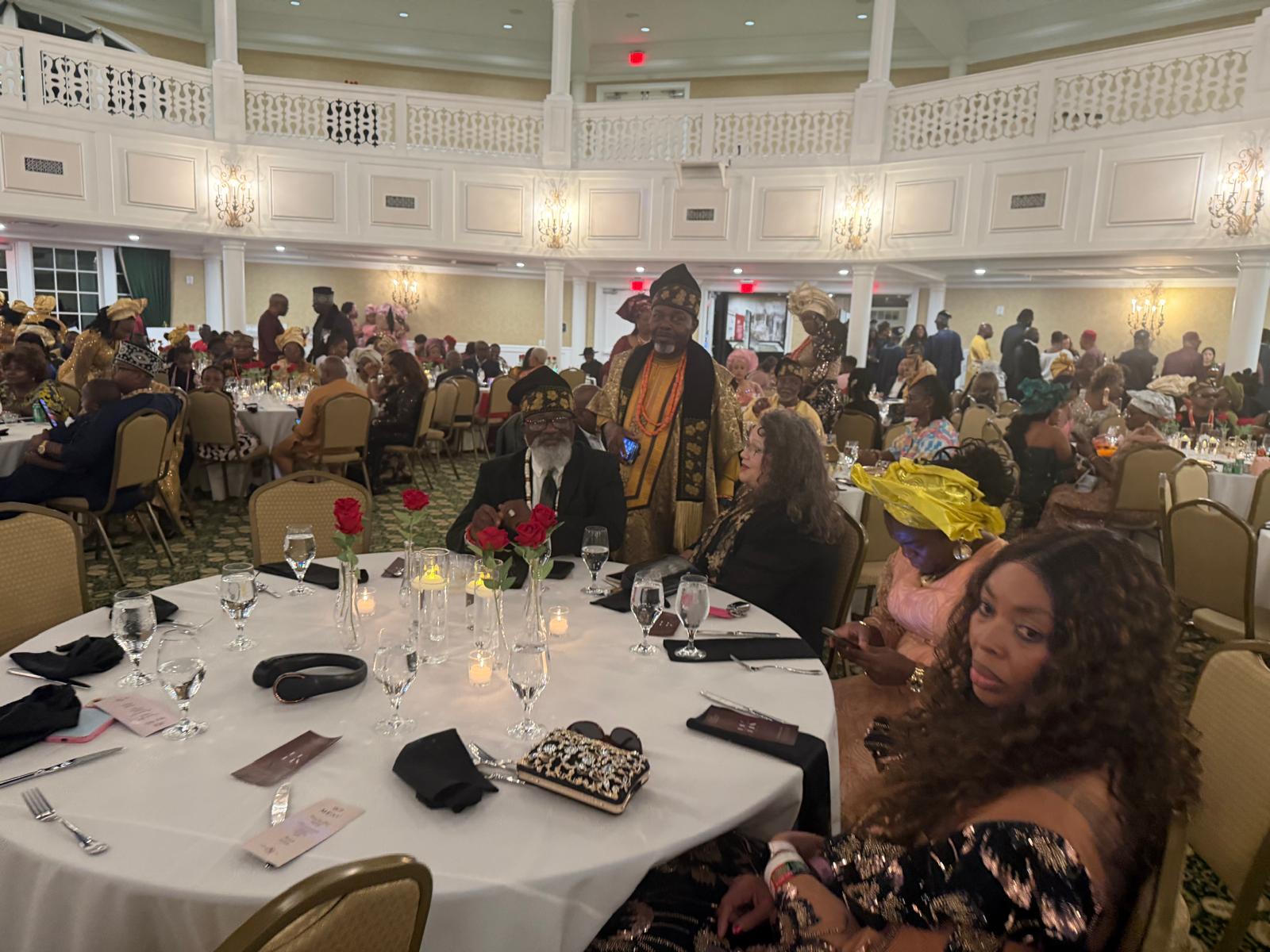
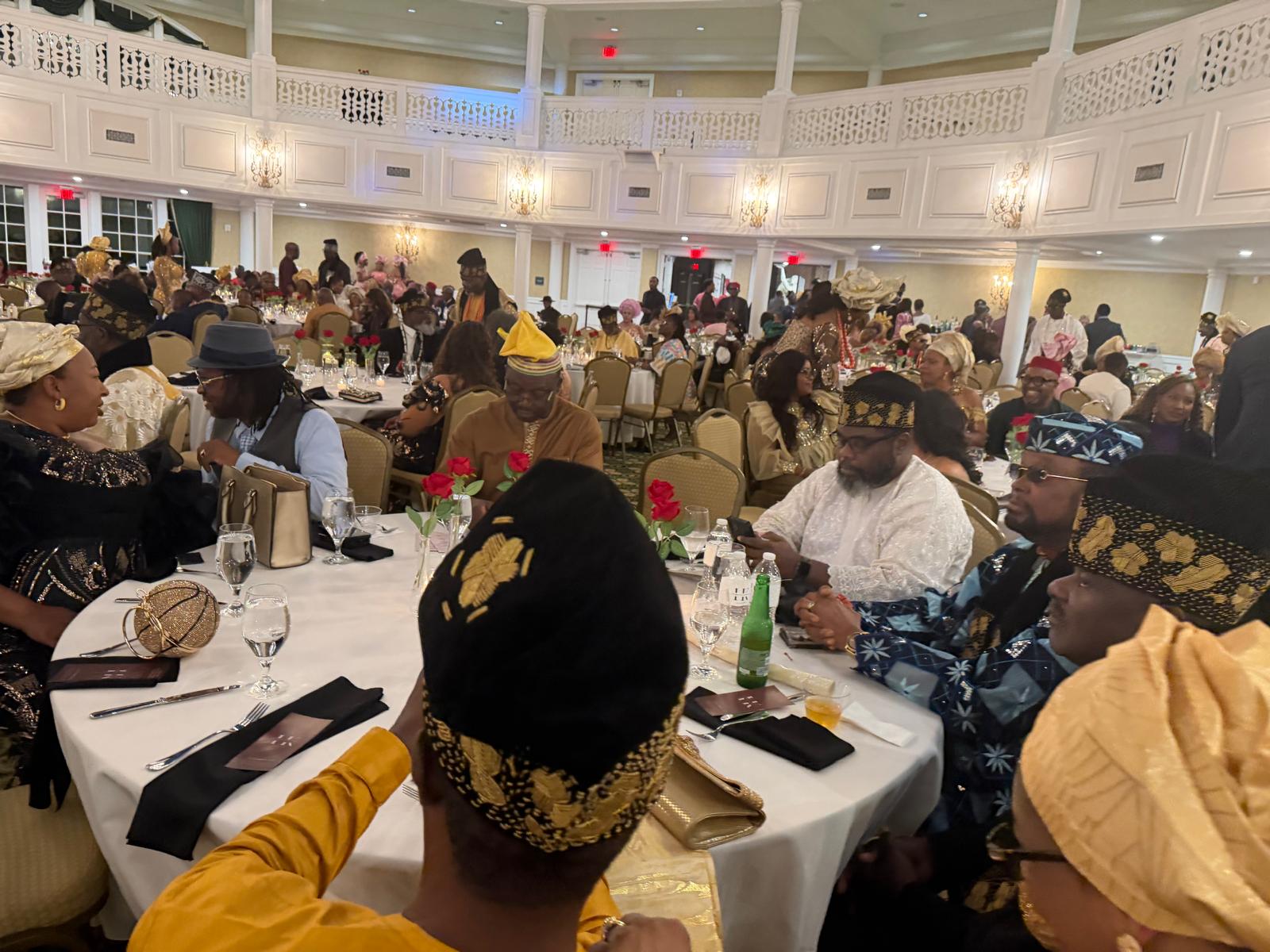
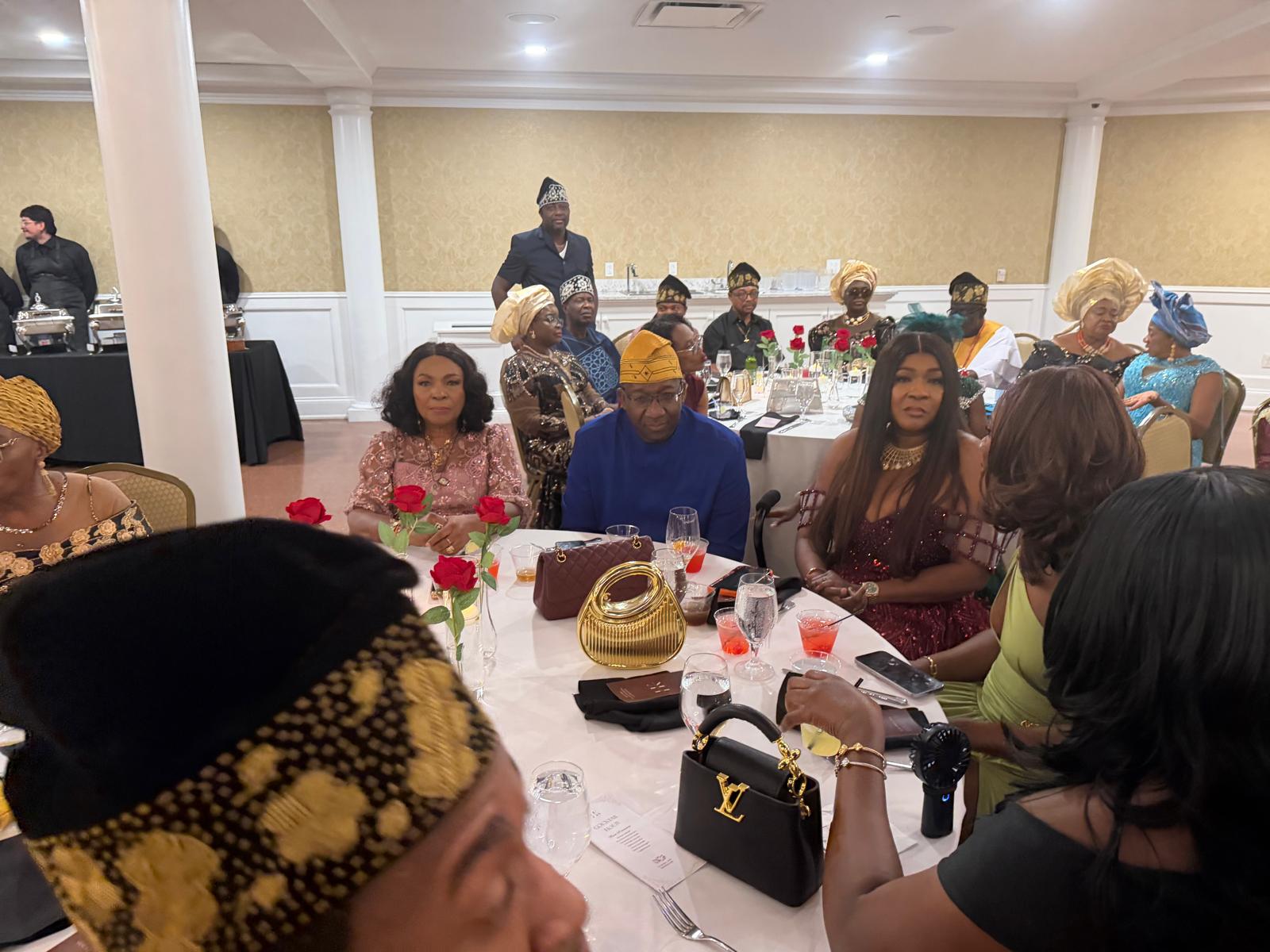
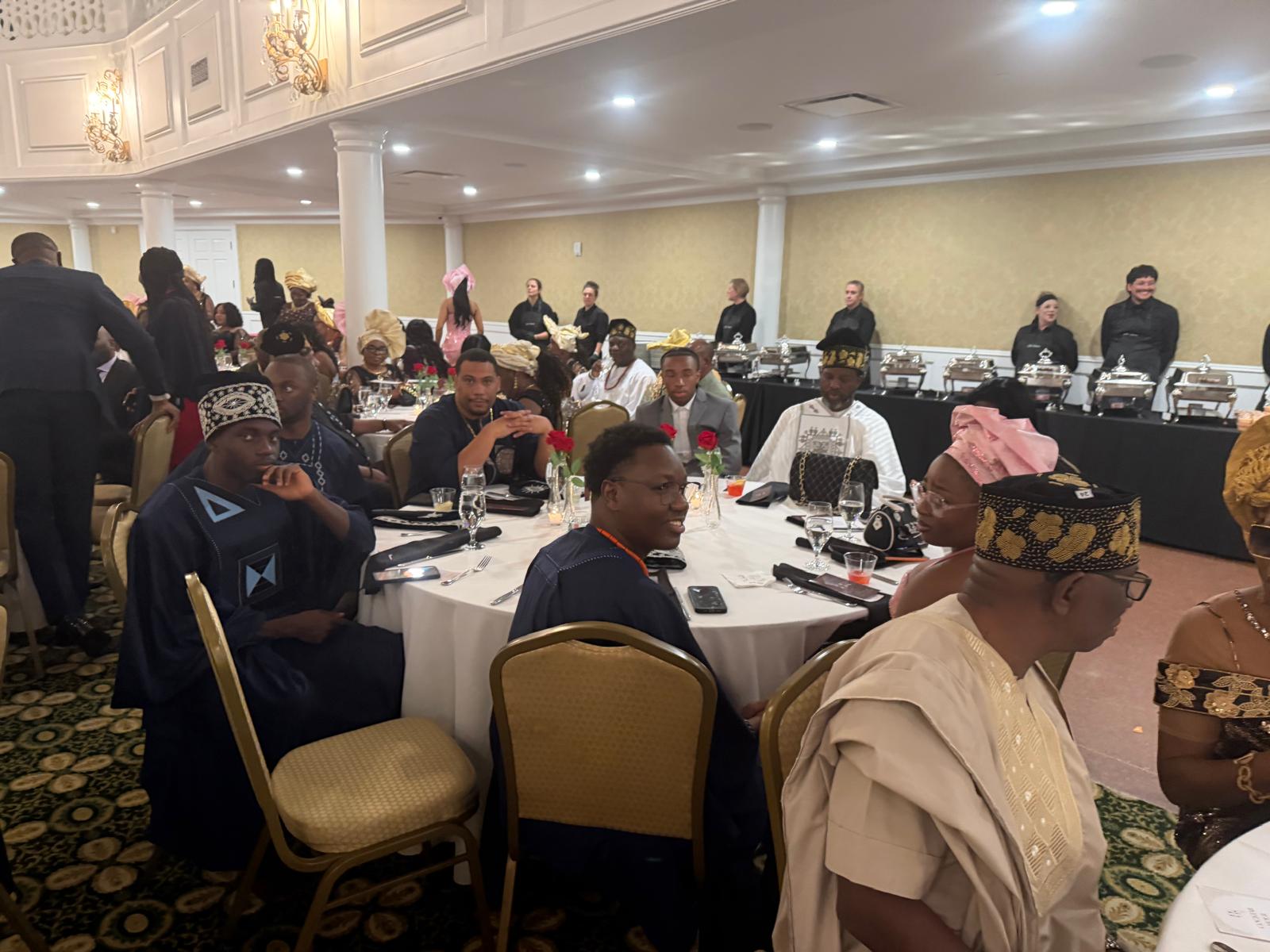
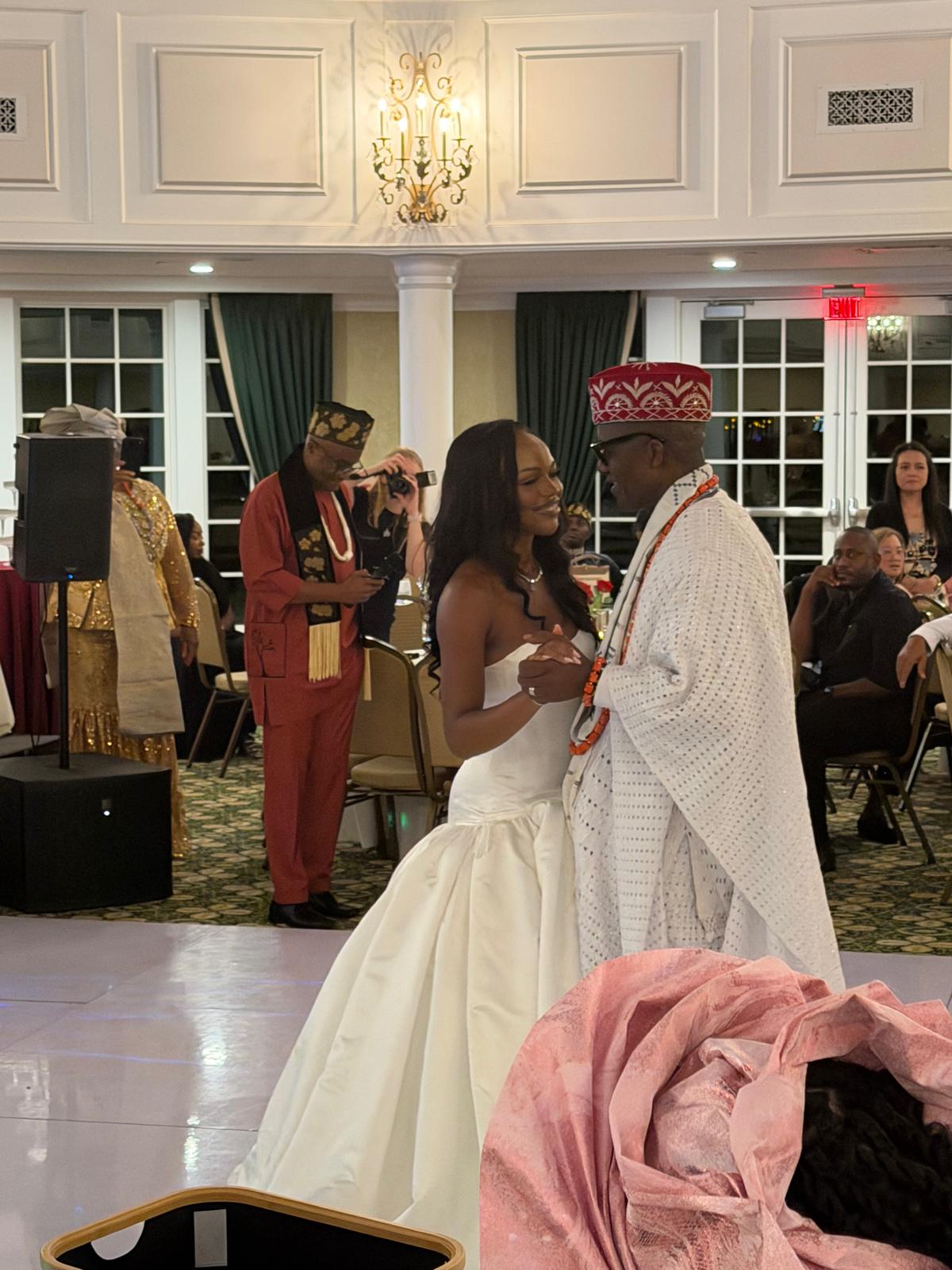
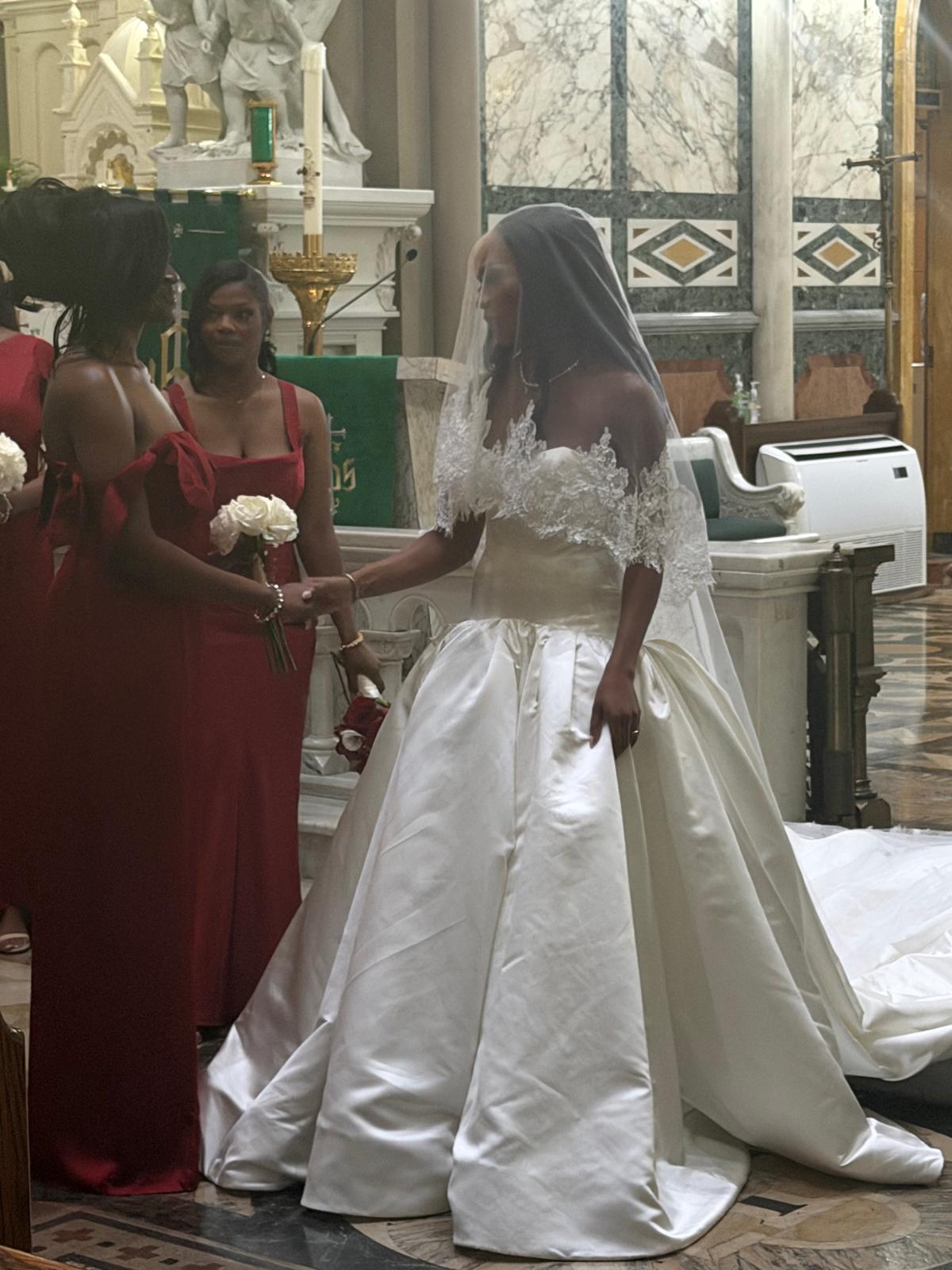
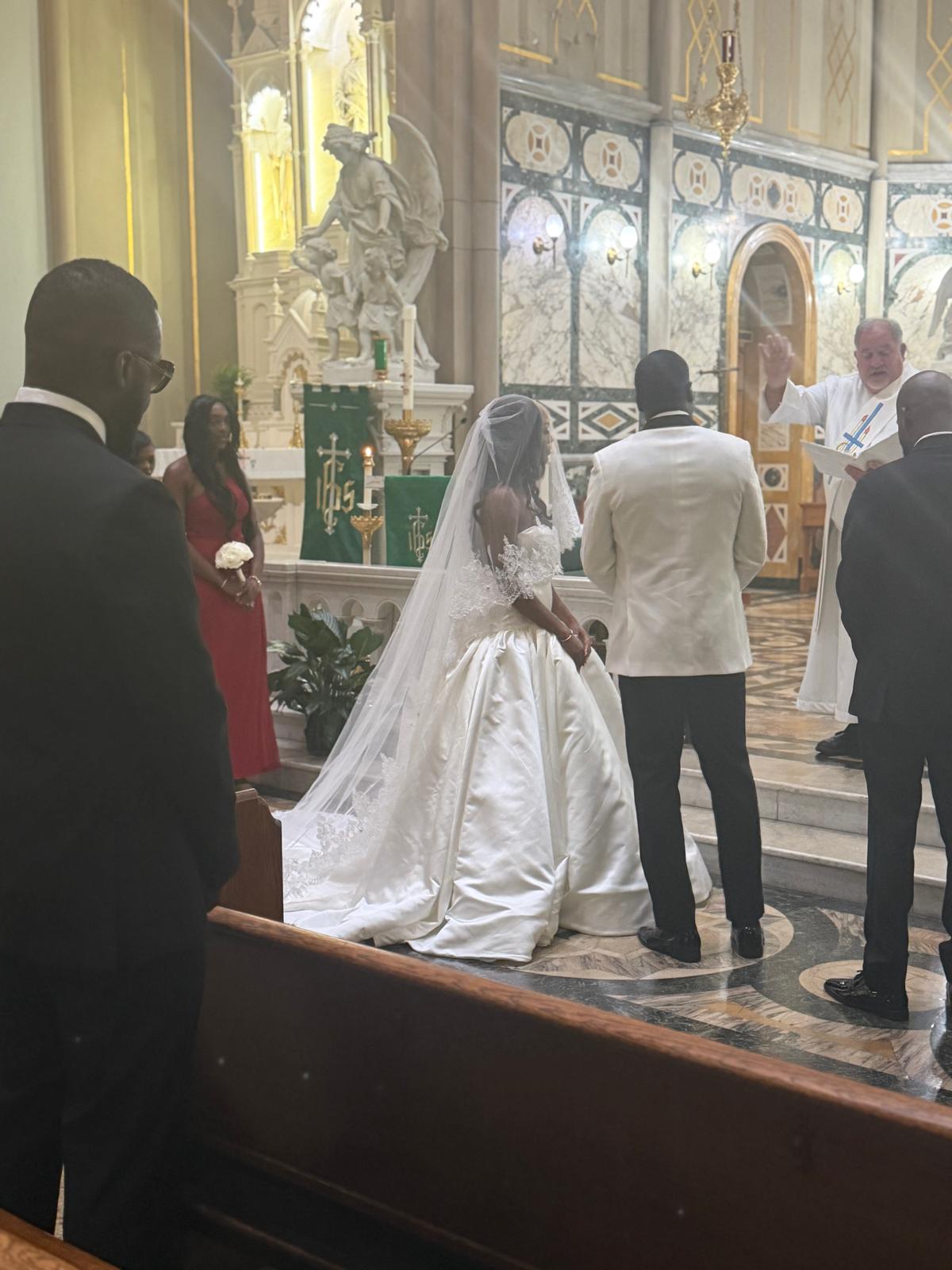
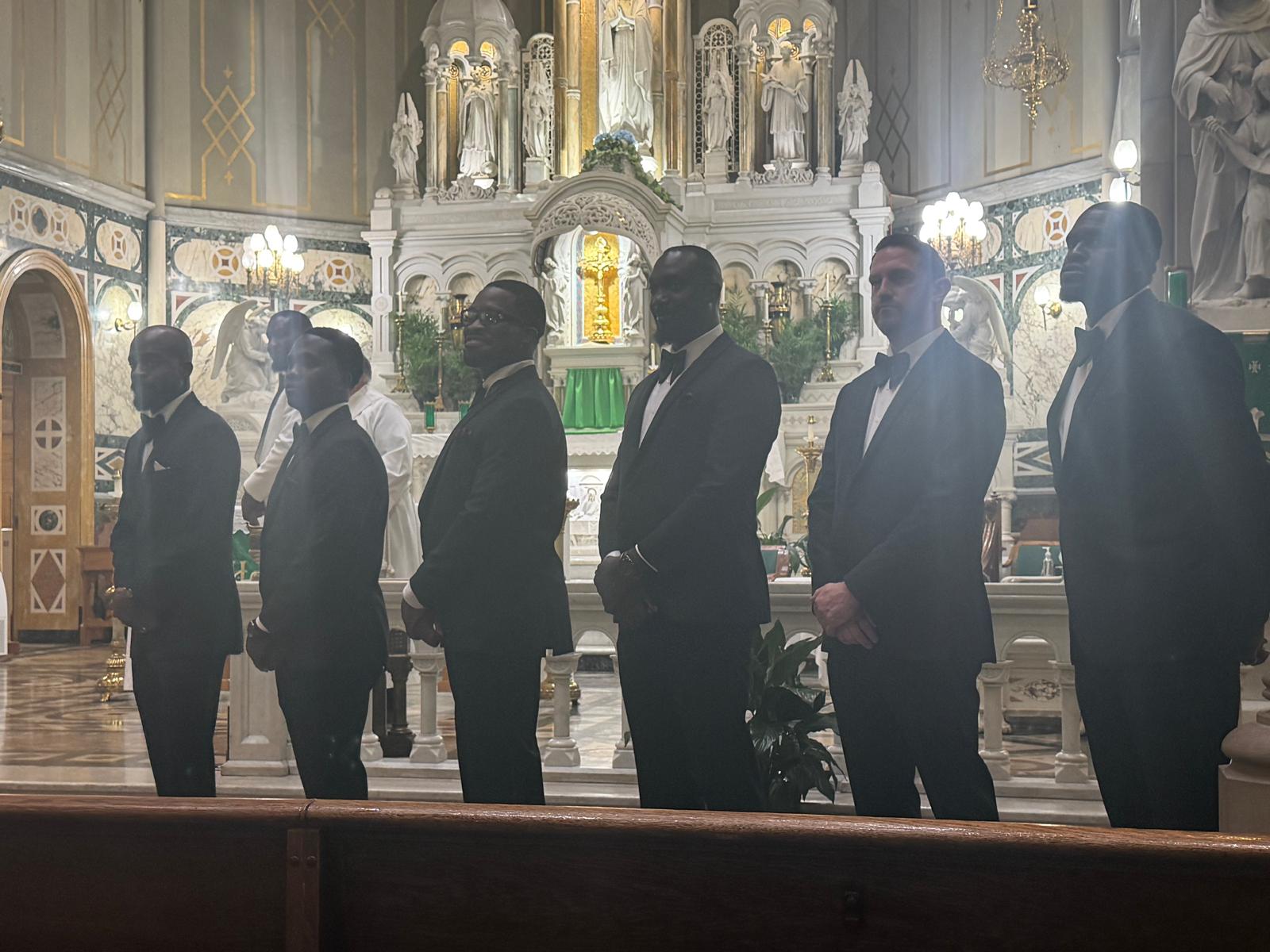
The ceremony offered a reminder that migration may change a family’s address, but it need not erase its cultural inheritance. In Southwest Ohio, generations removed from the villages and towns where these customs first took root, tradition found itself very much at home. The celebration also included a solemn Catholic wedding ceremony at St. Mary’s Church, followed by an elegant reception at Dayton’s historic Carillon Park. There, American wedding sophistication met Nigerian celebratory enthusiasm—and neither seemed inclined to surrender the dance floor.
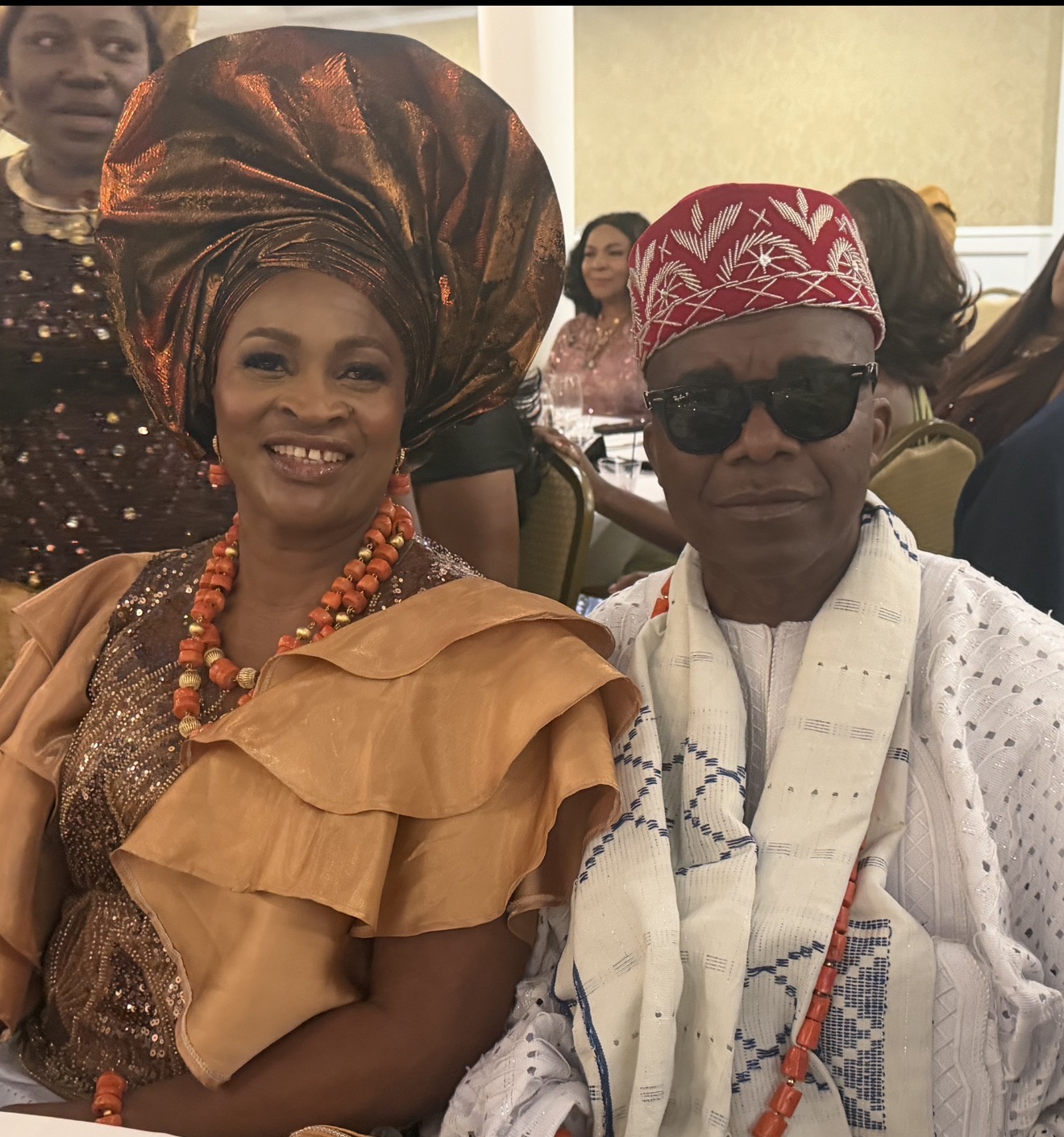
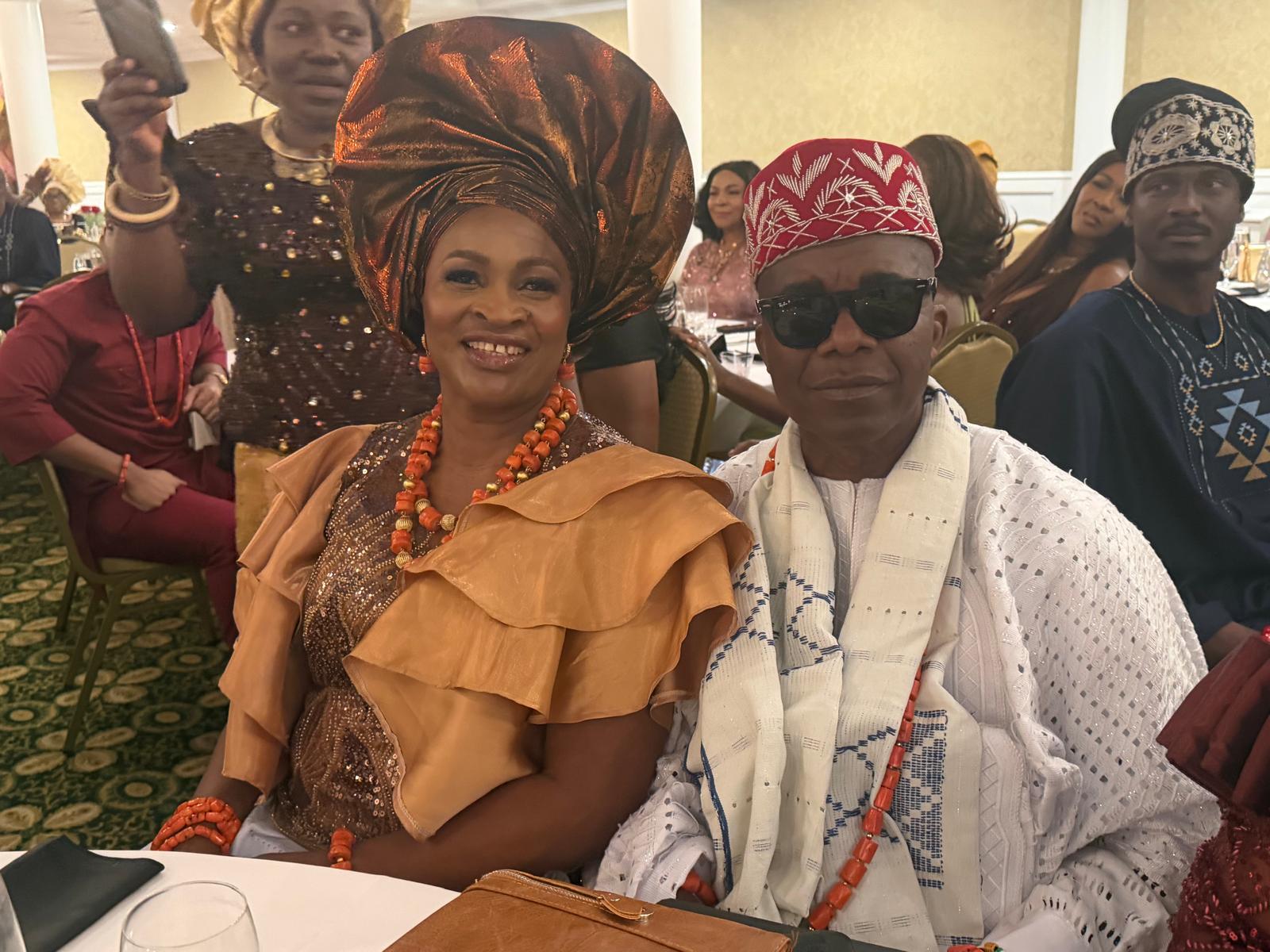
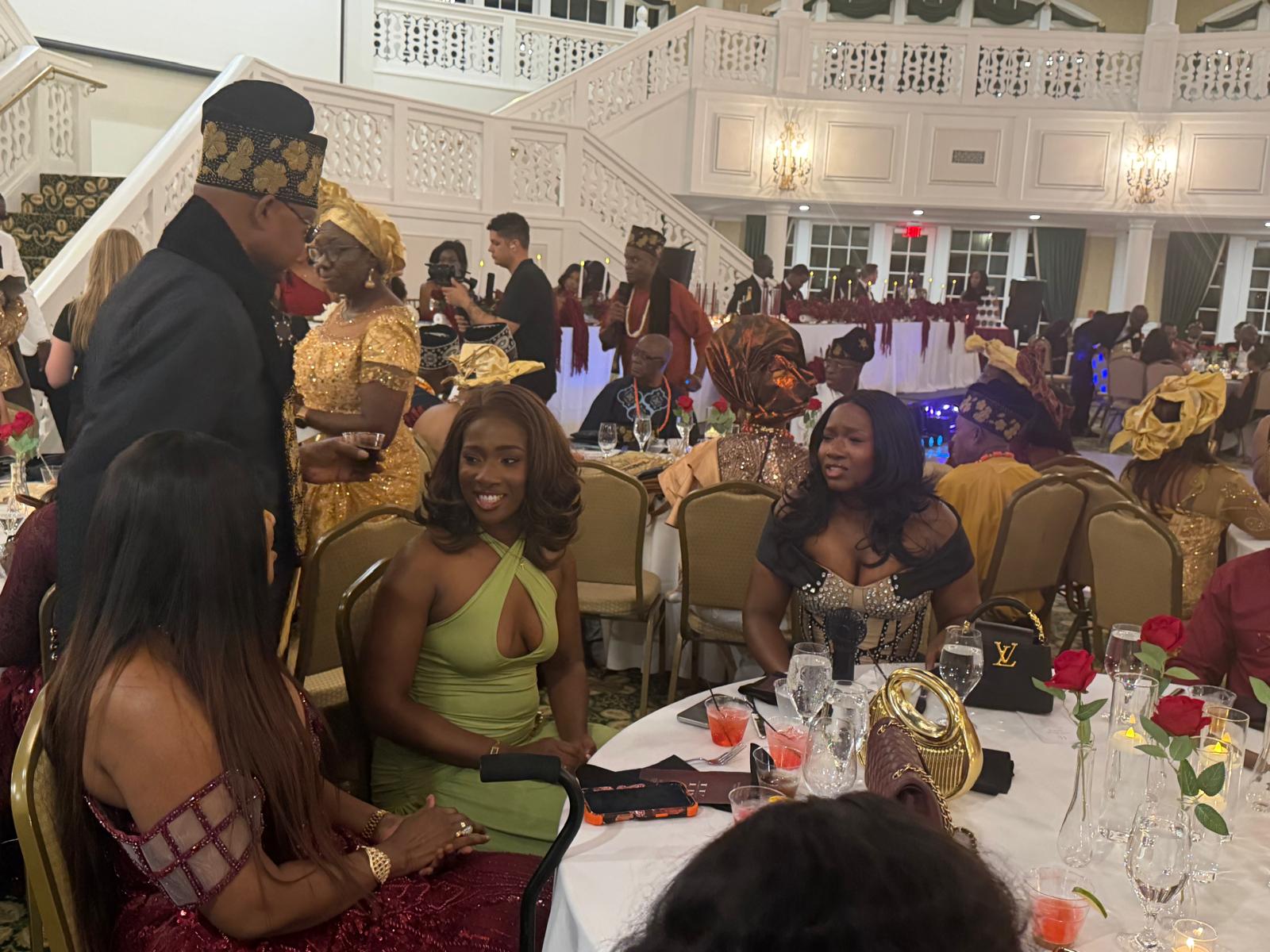
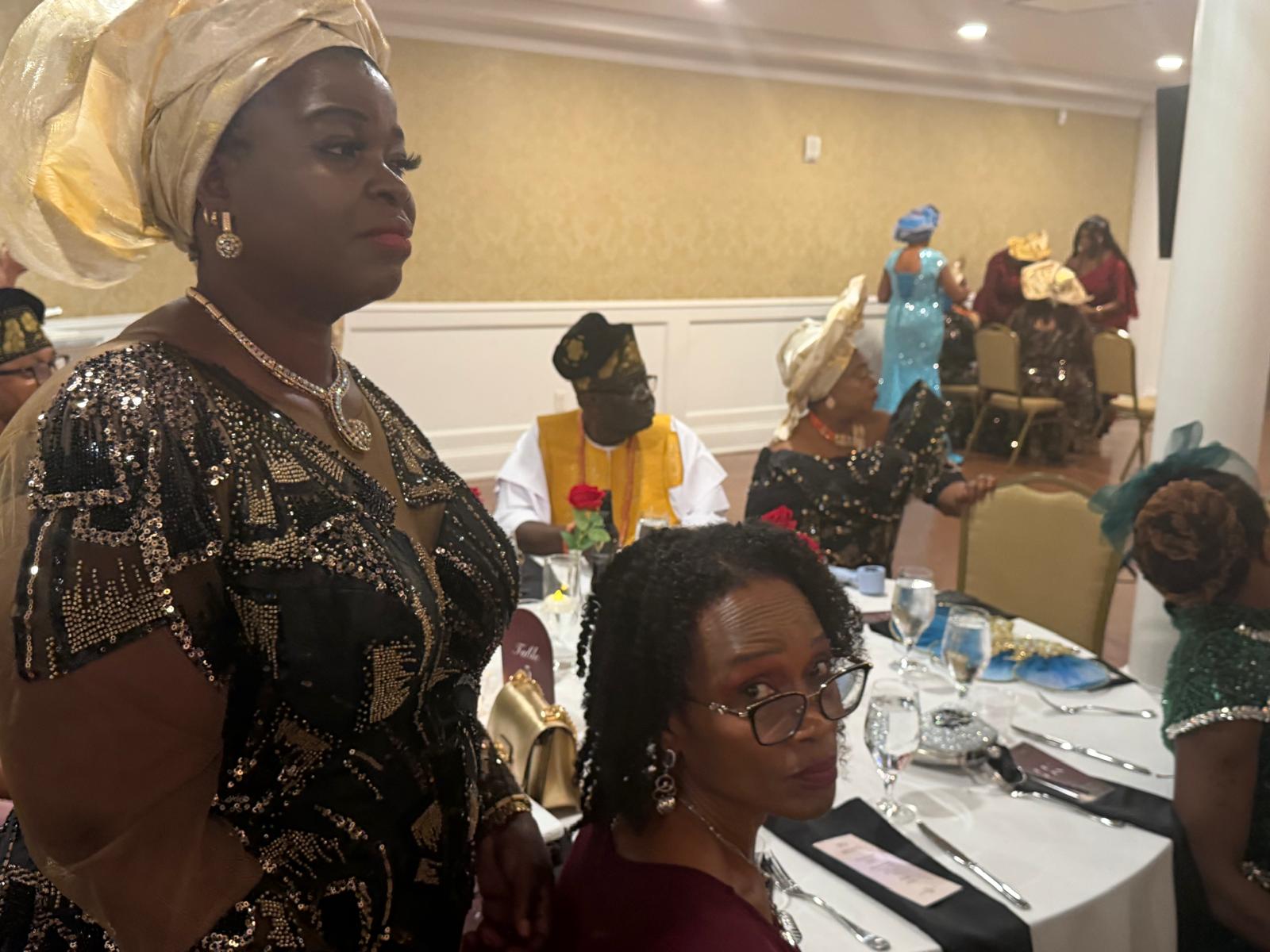
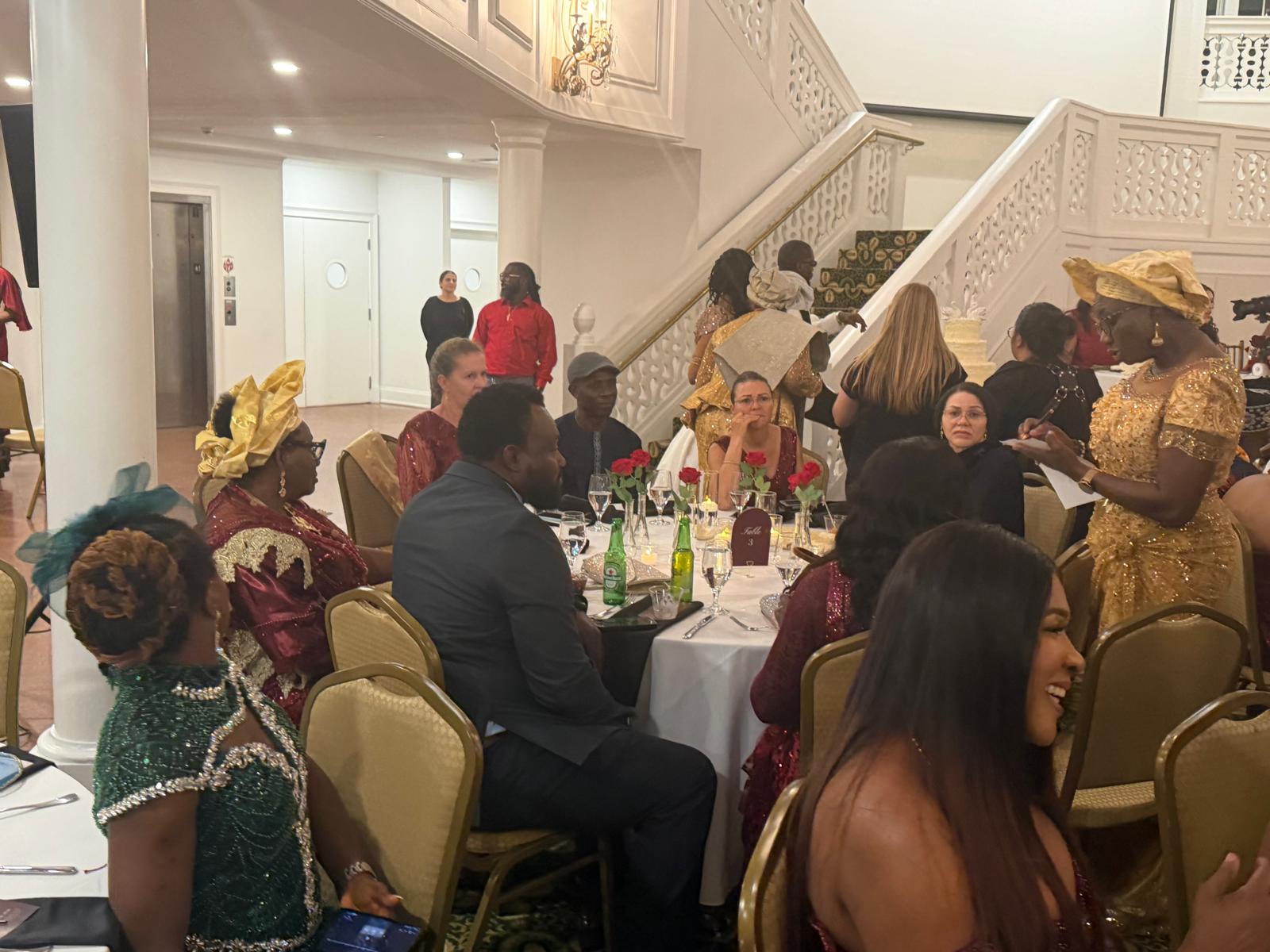
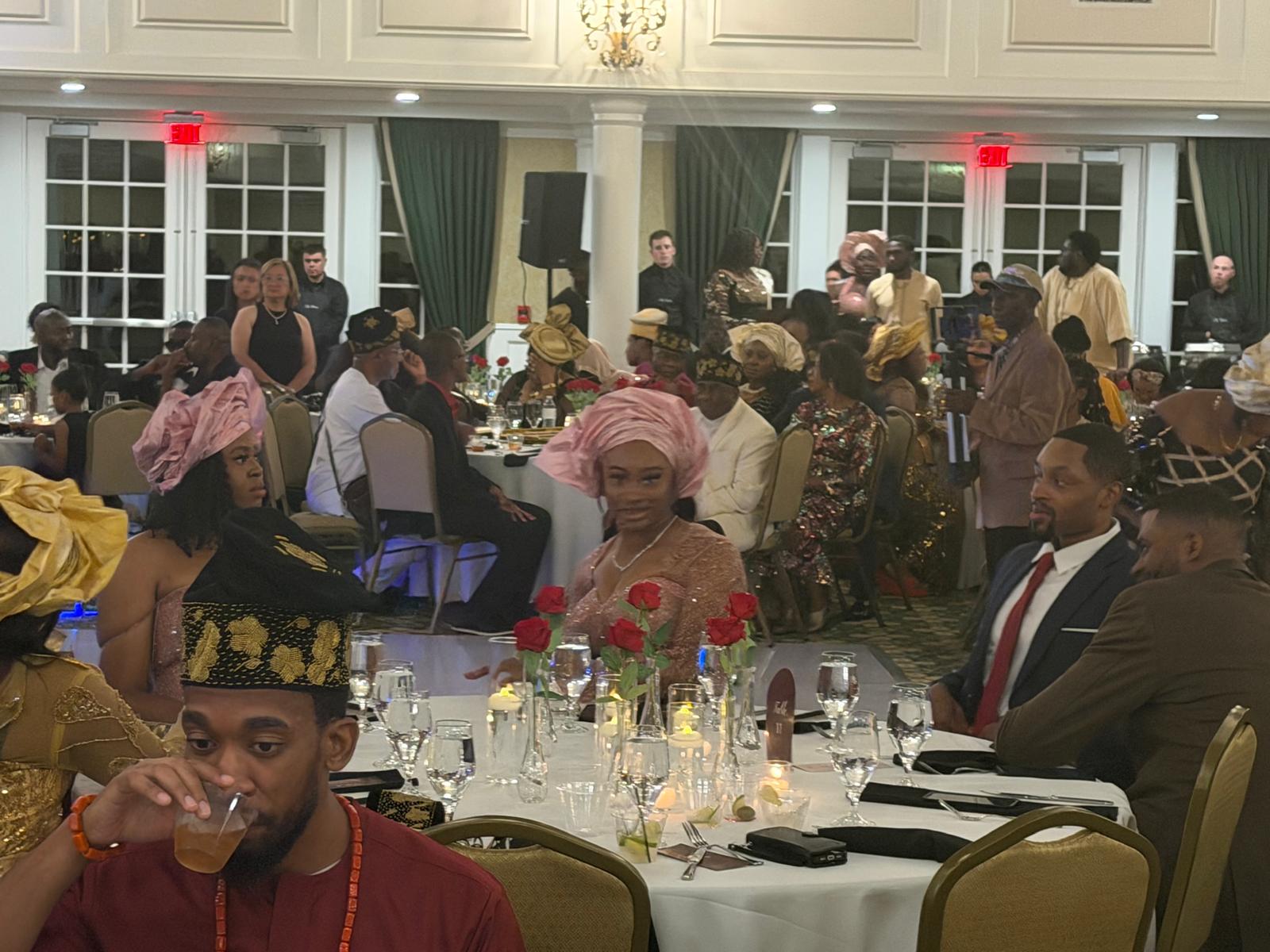
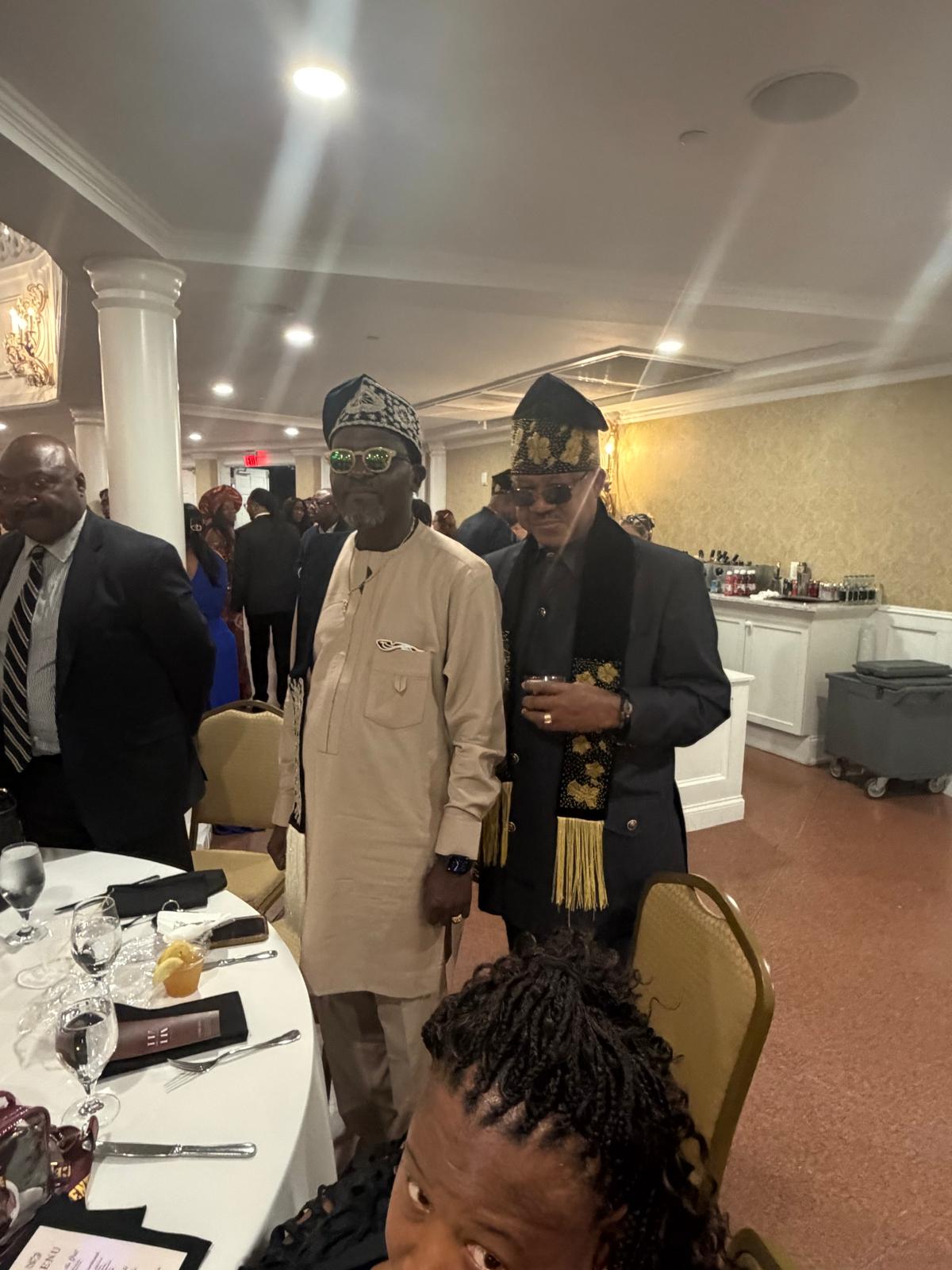
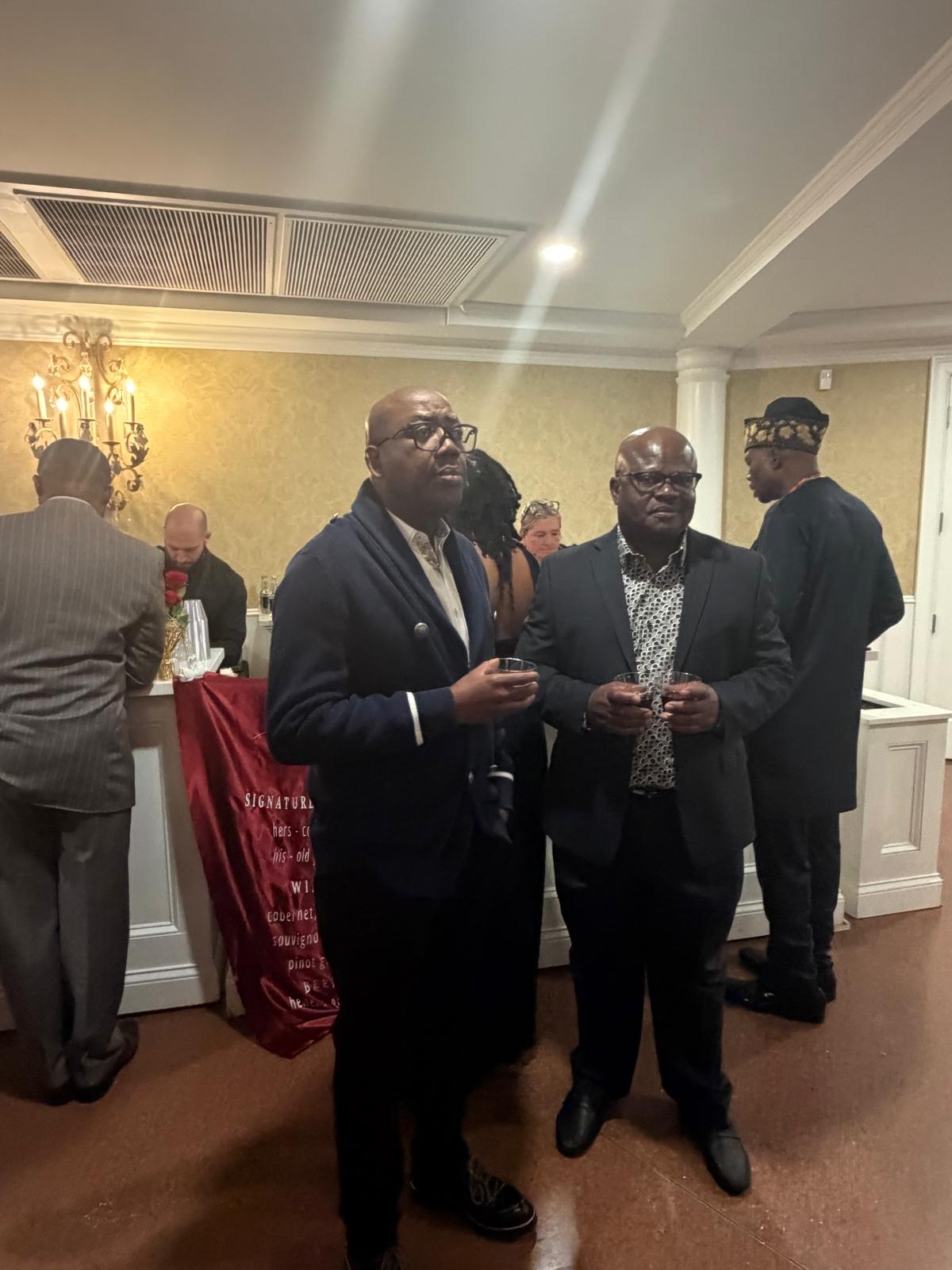
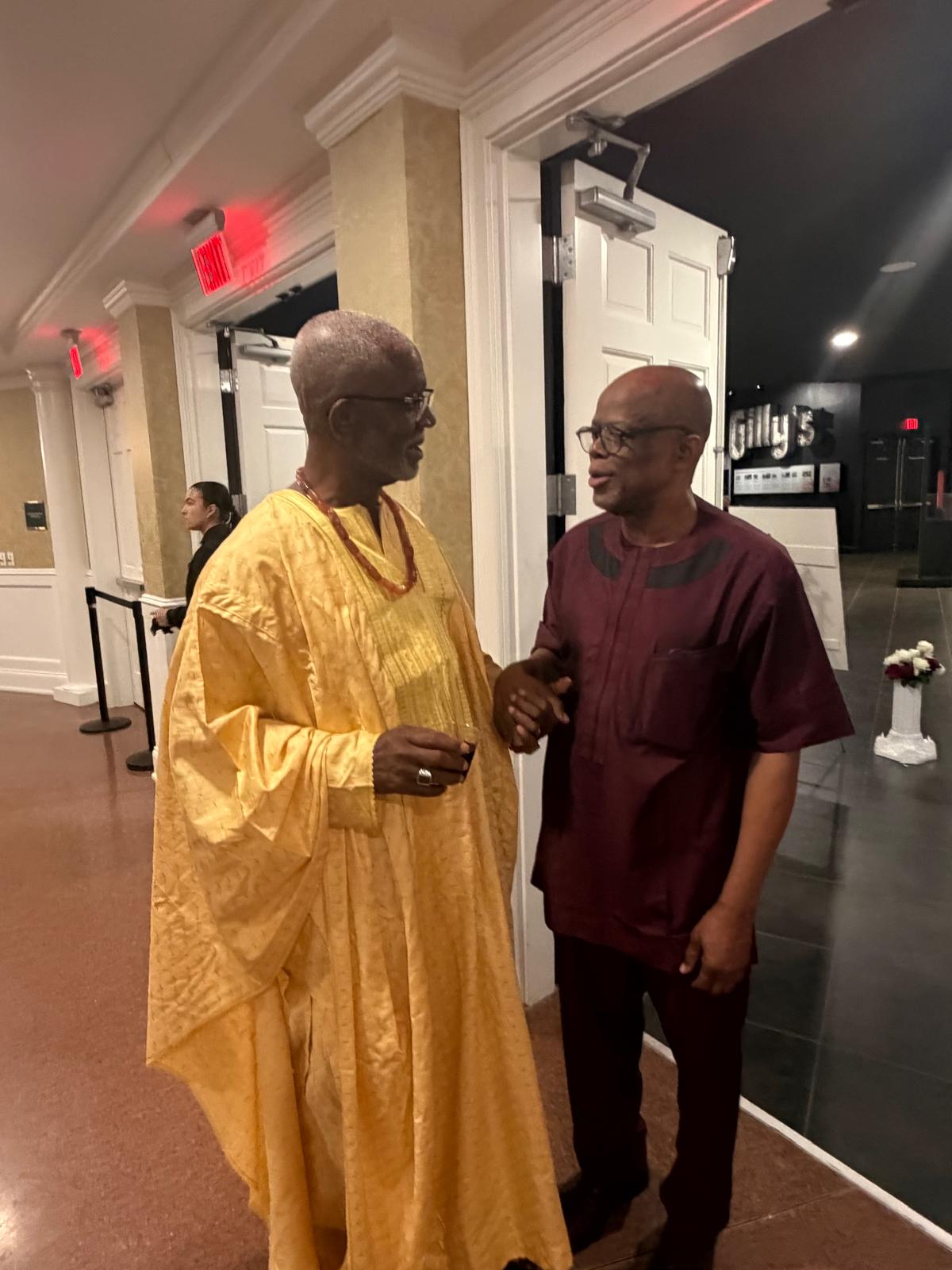
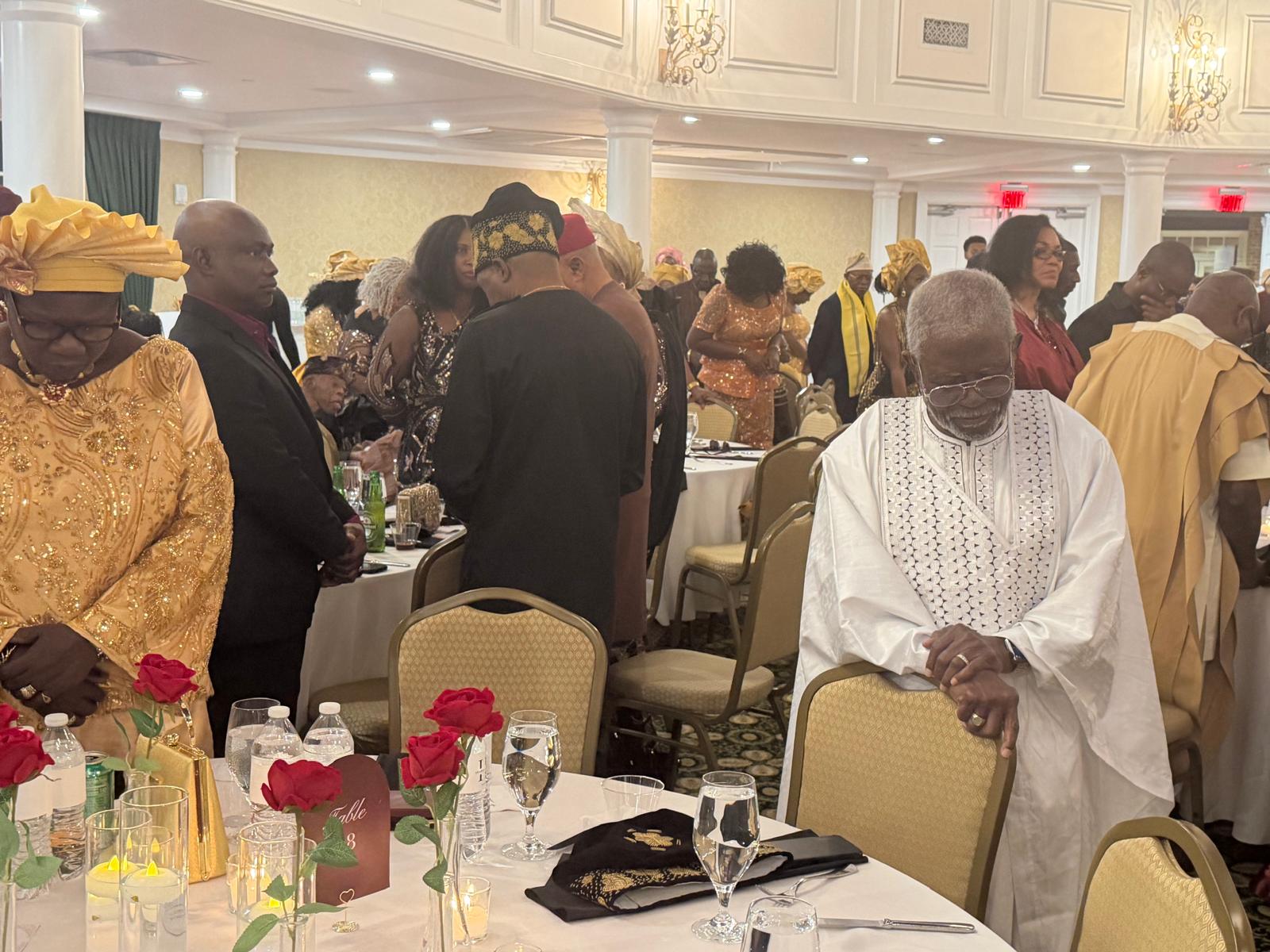
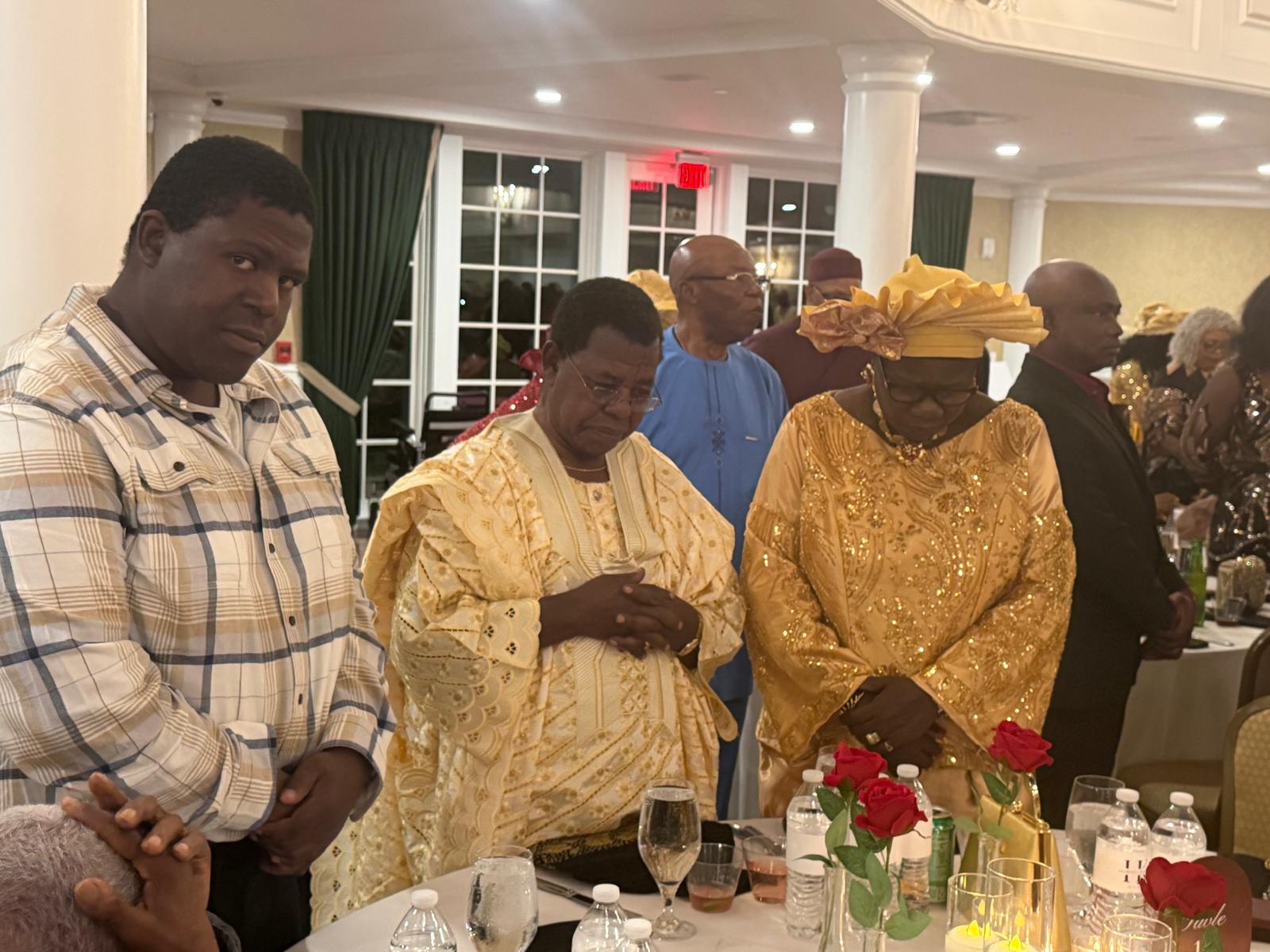
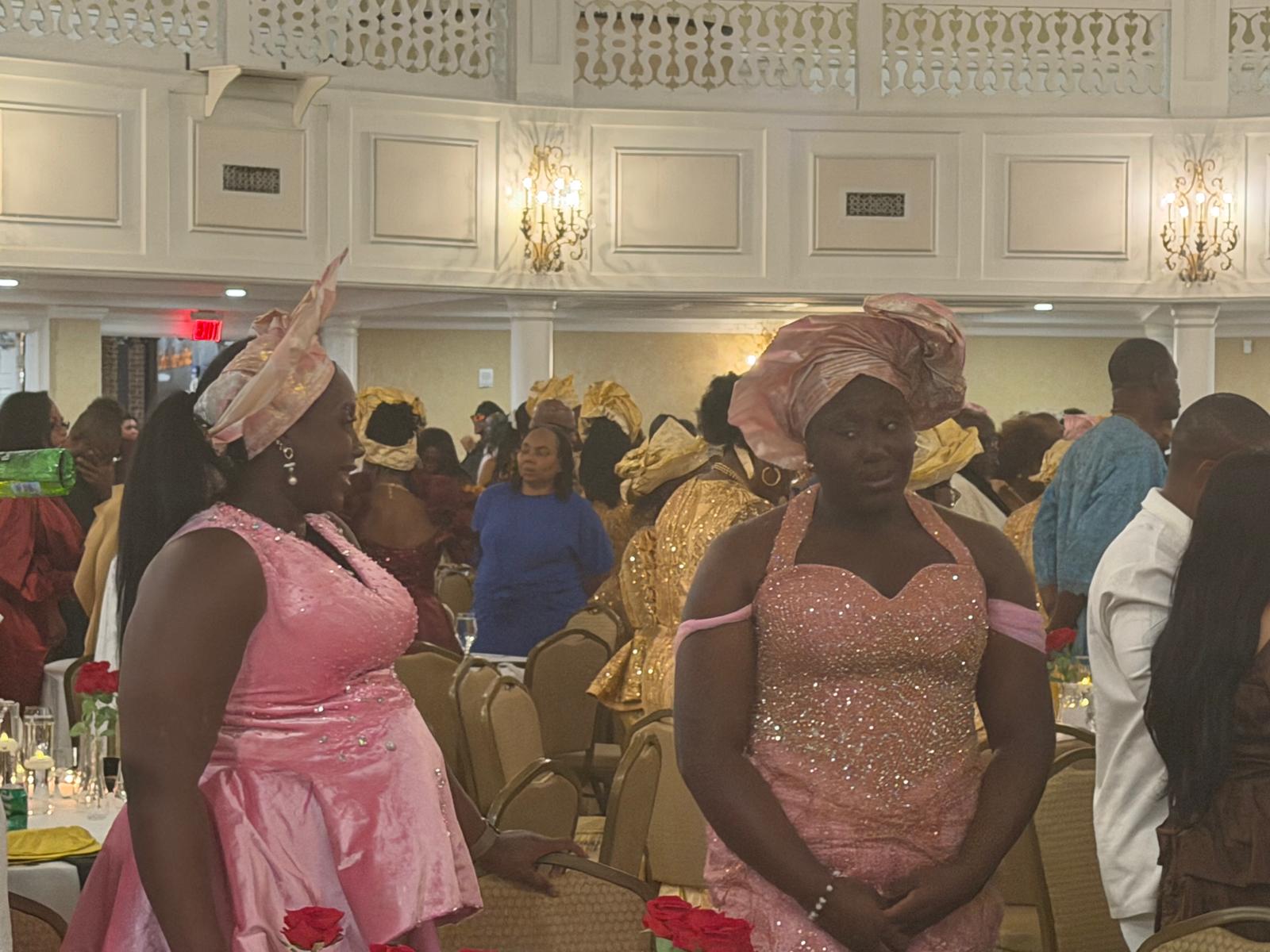
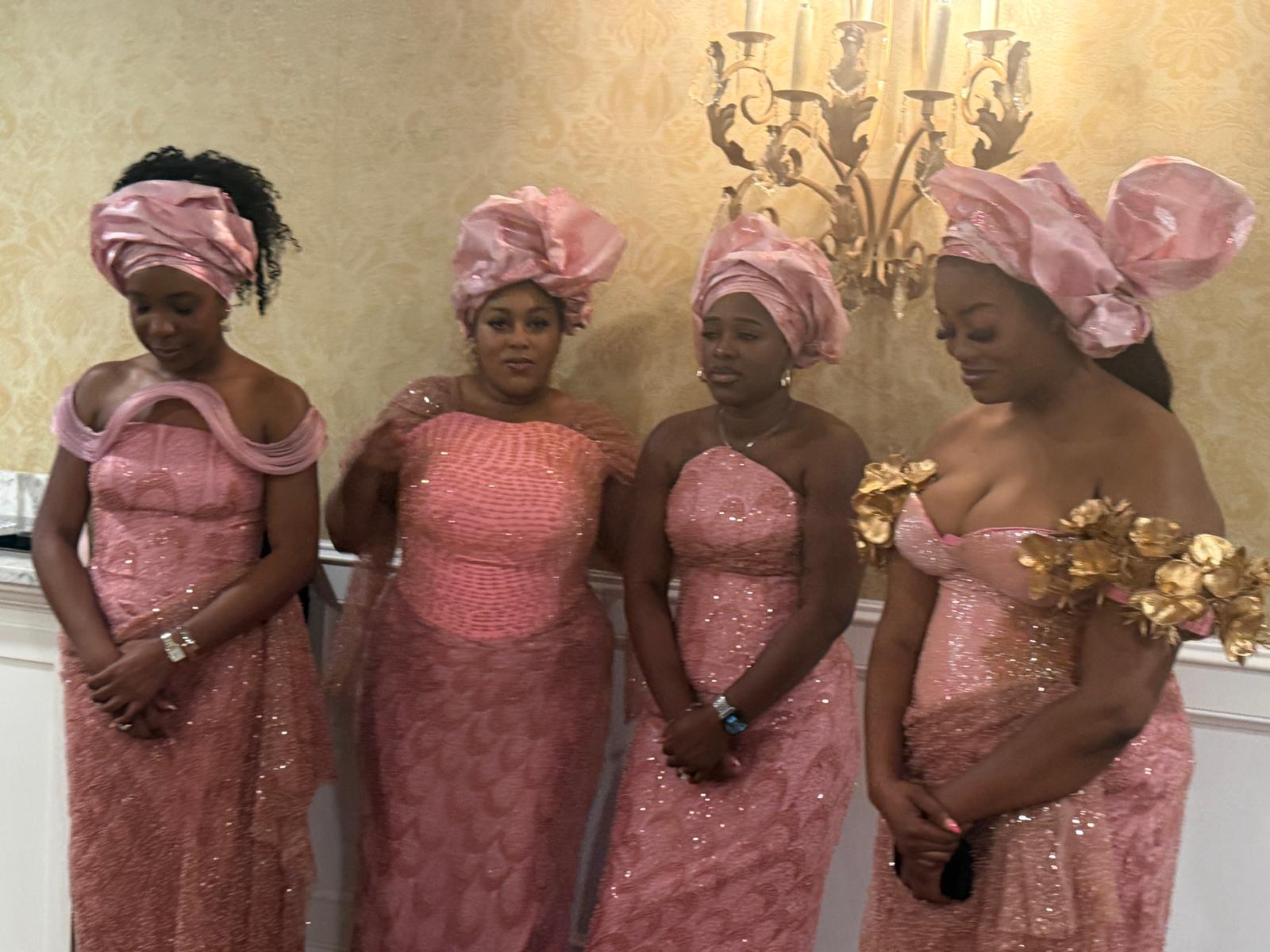
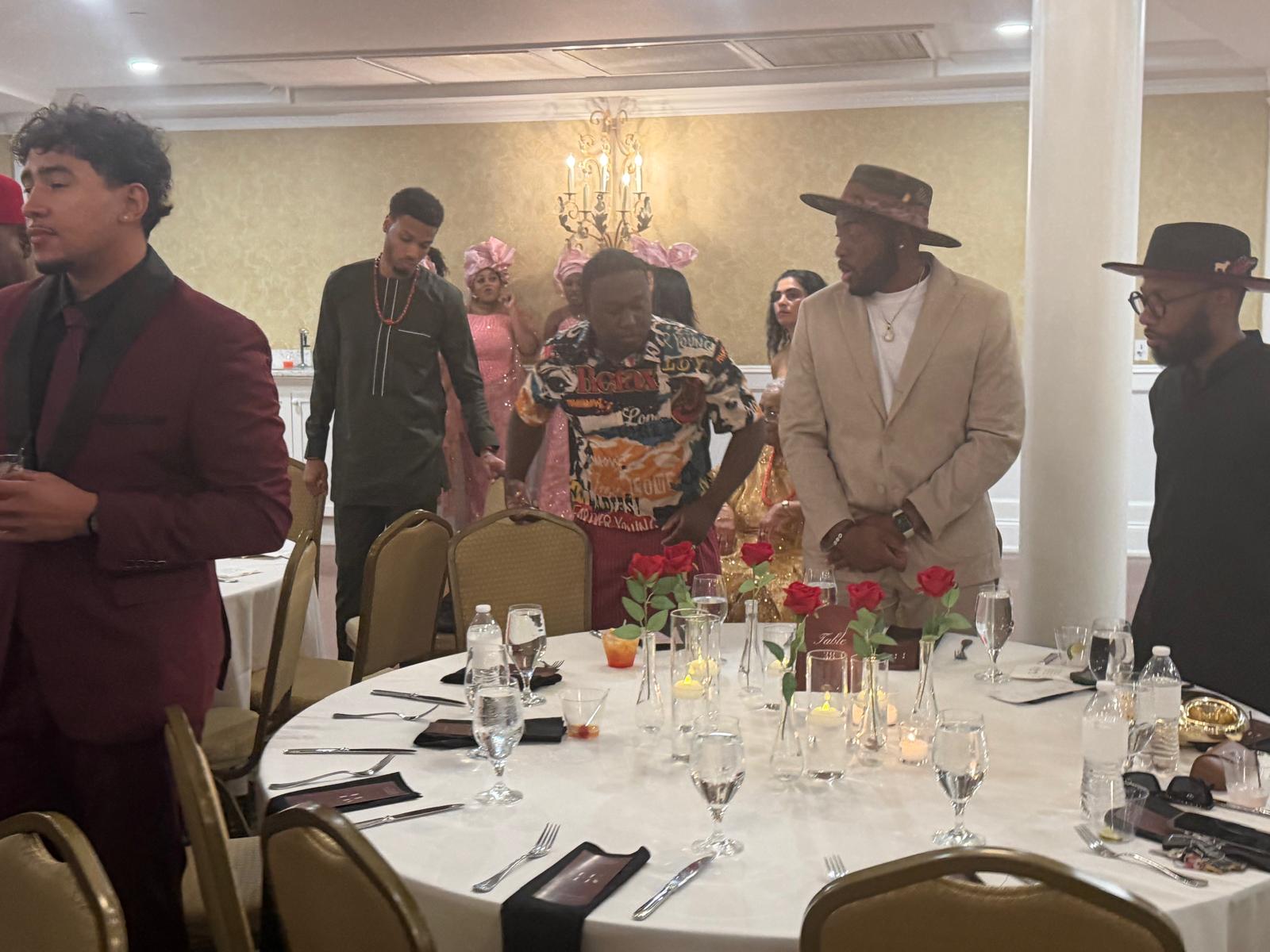
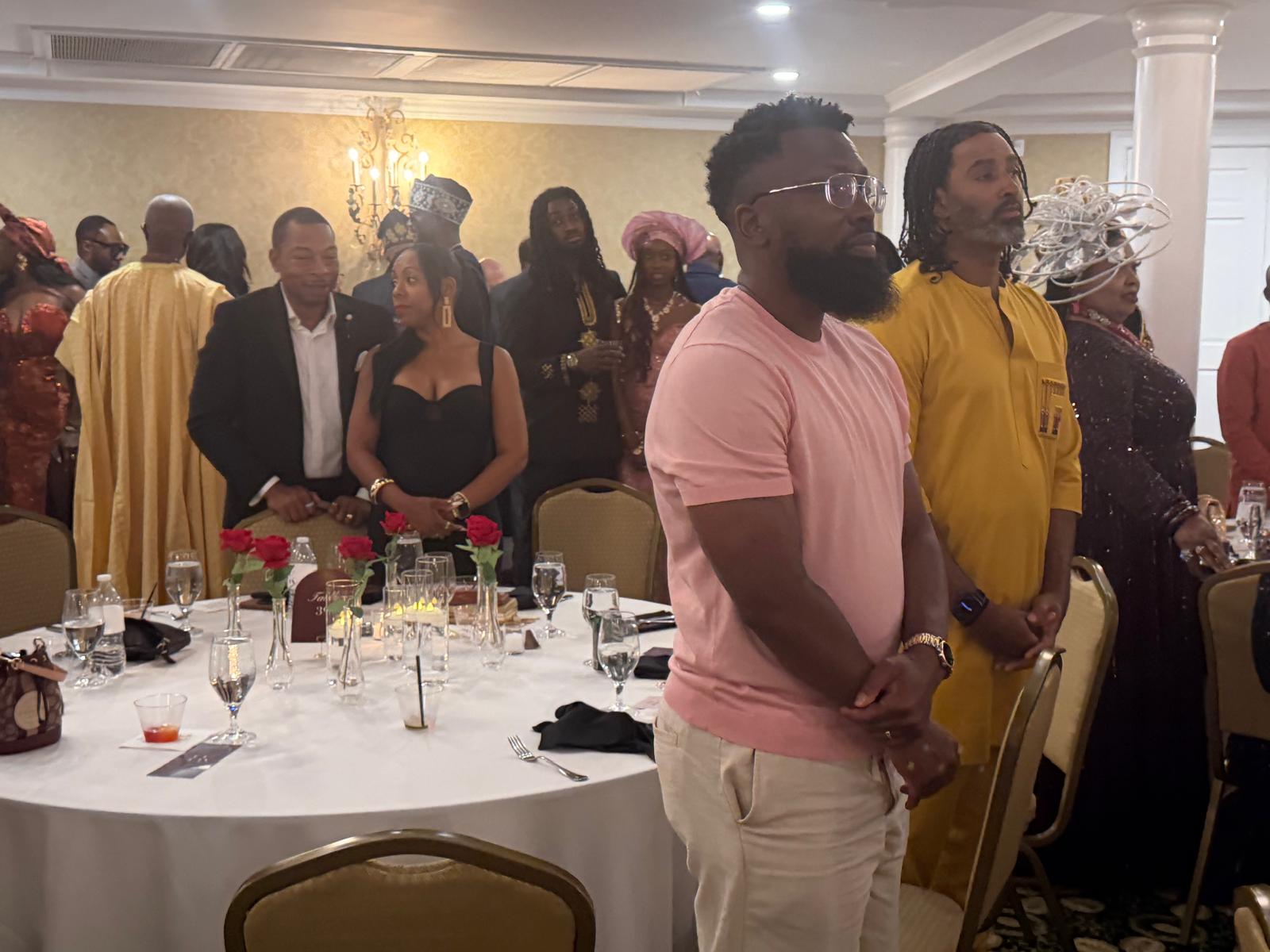
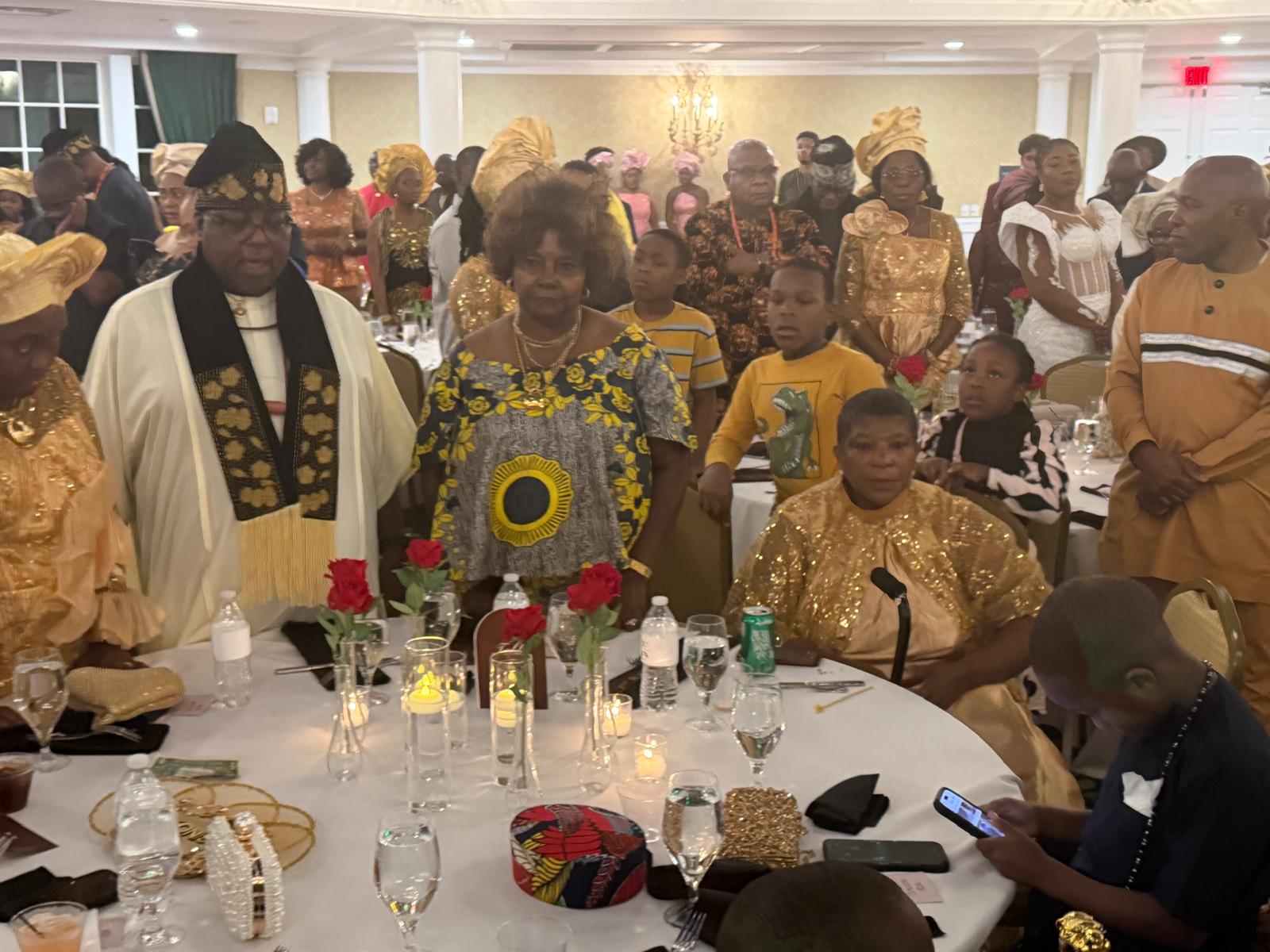
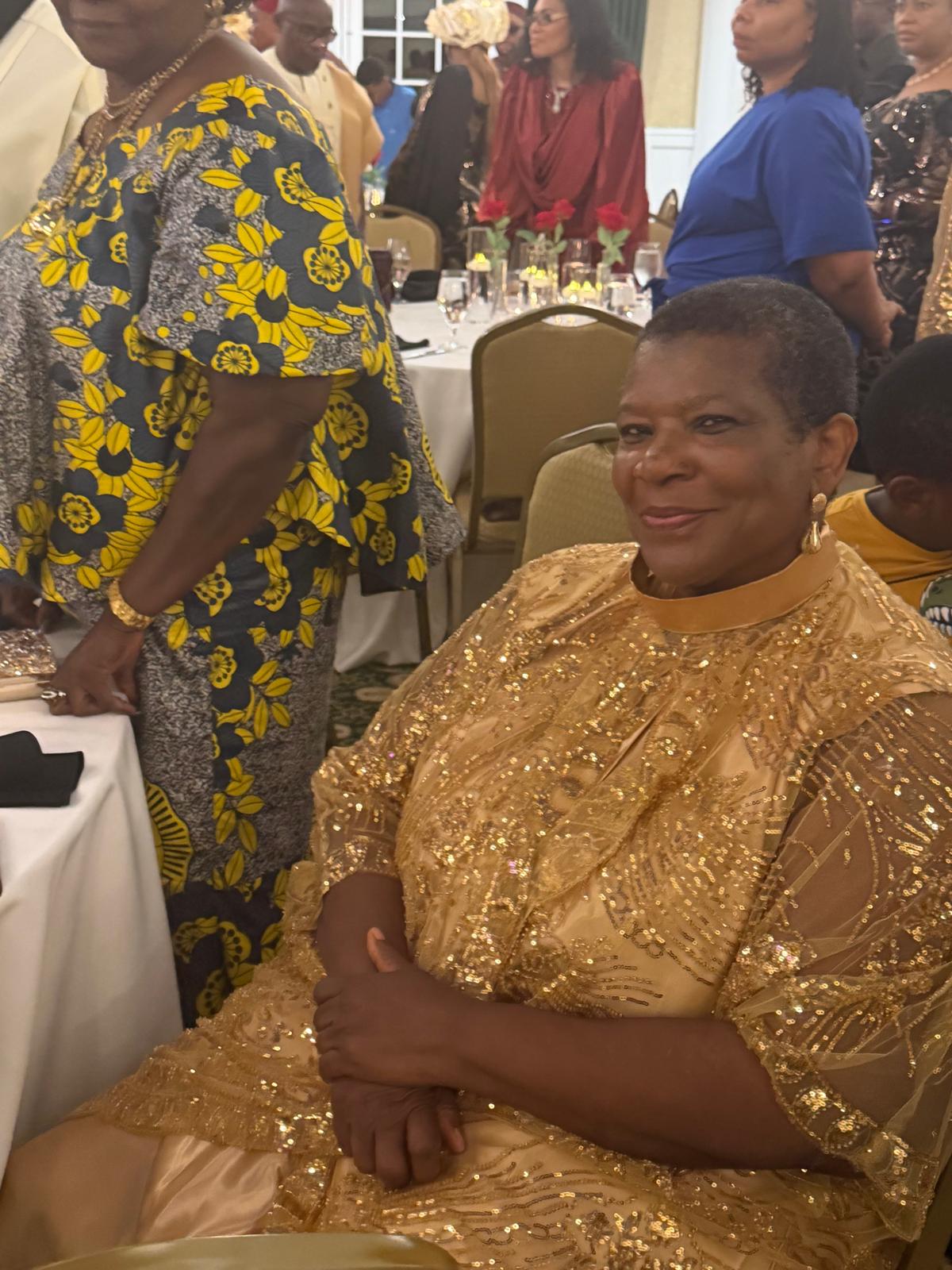
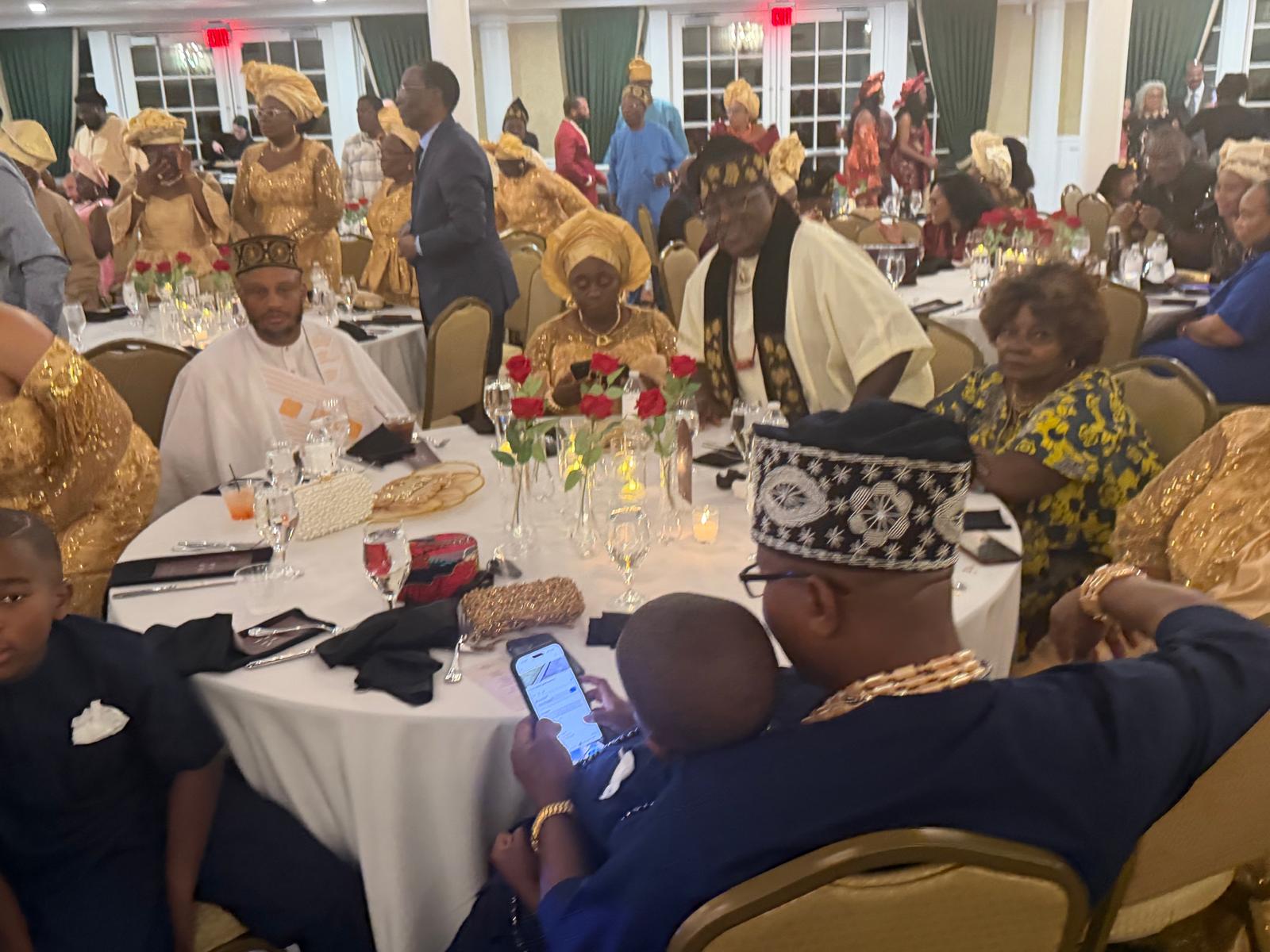
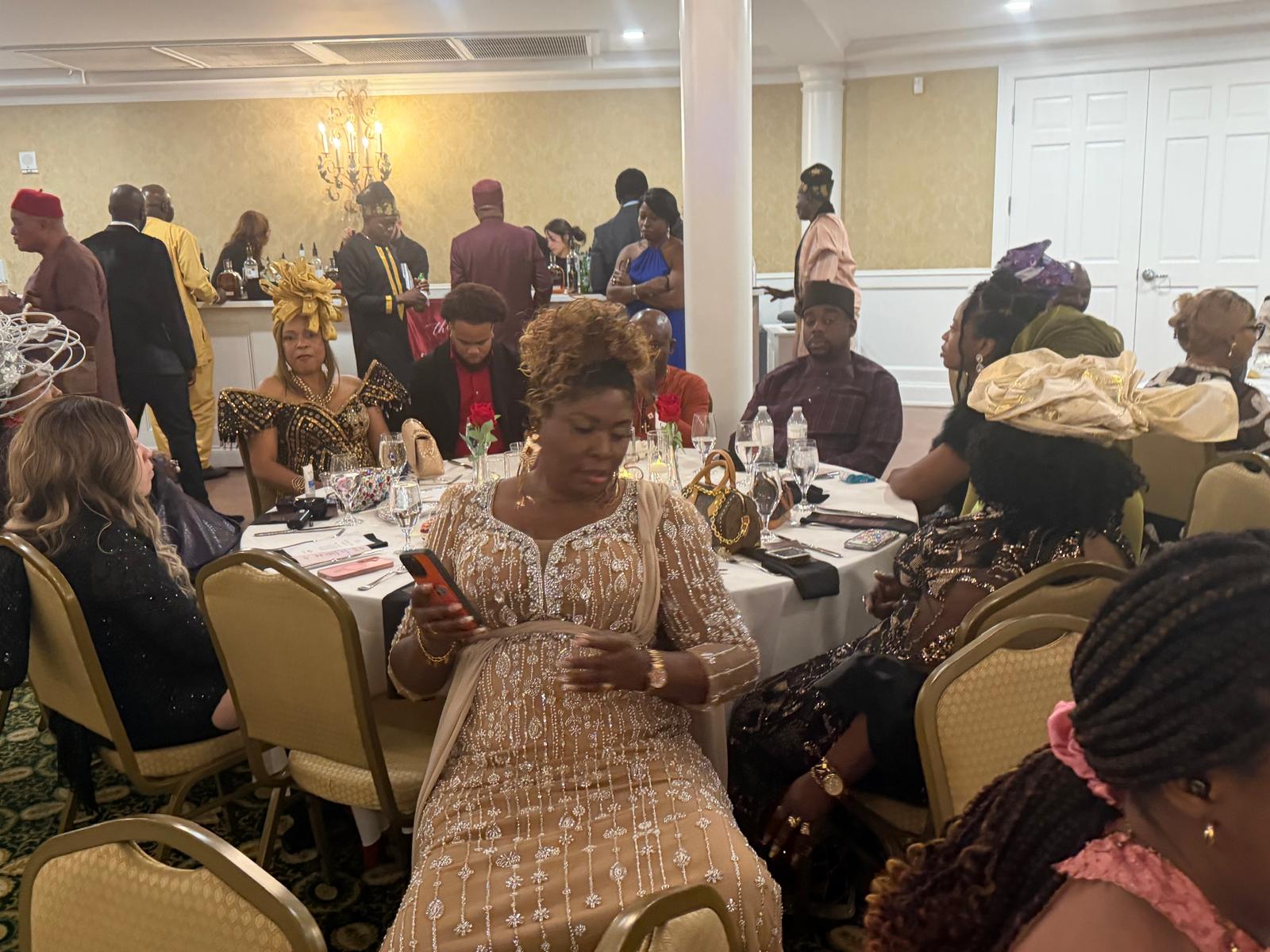
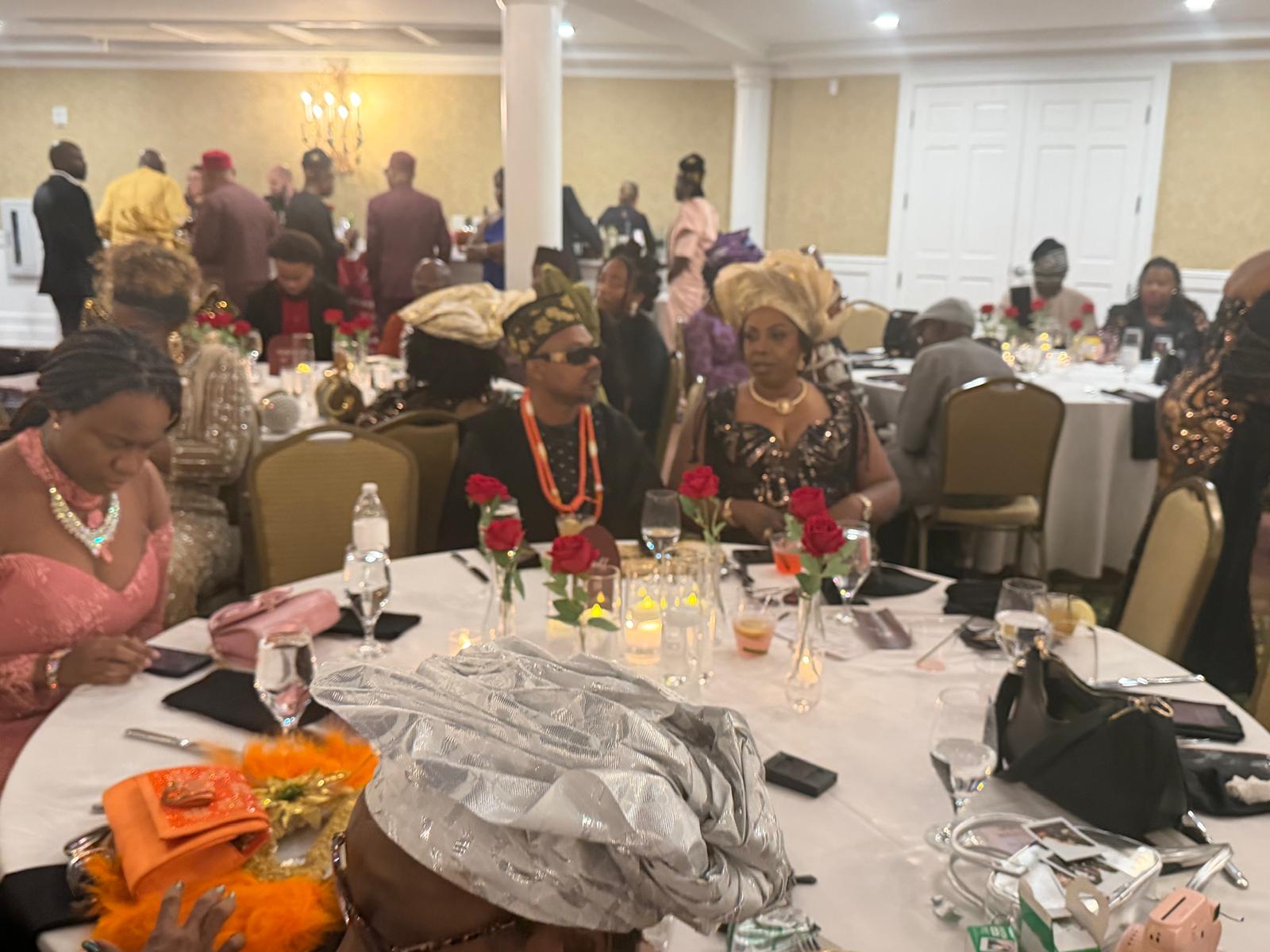
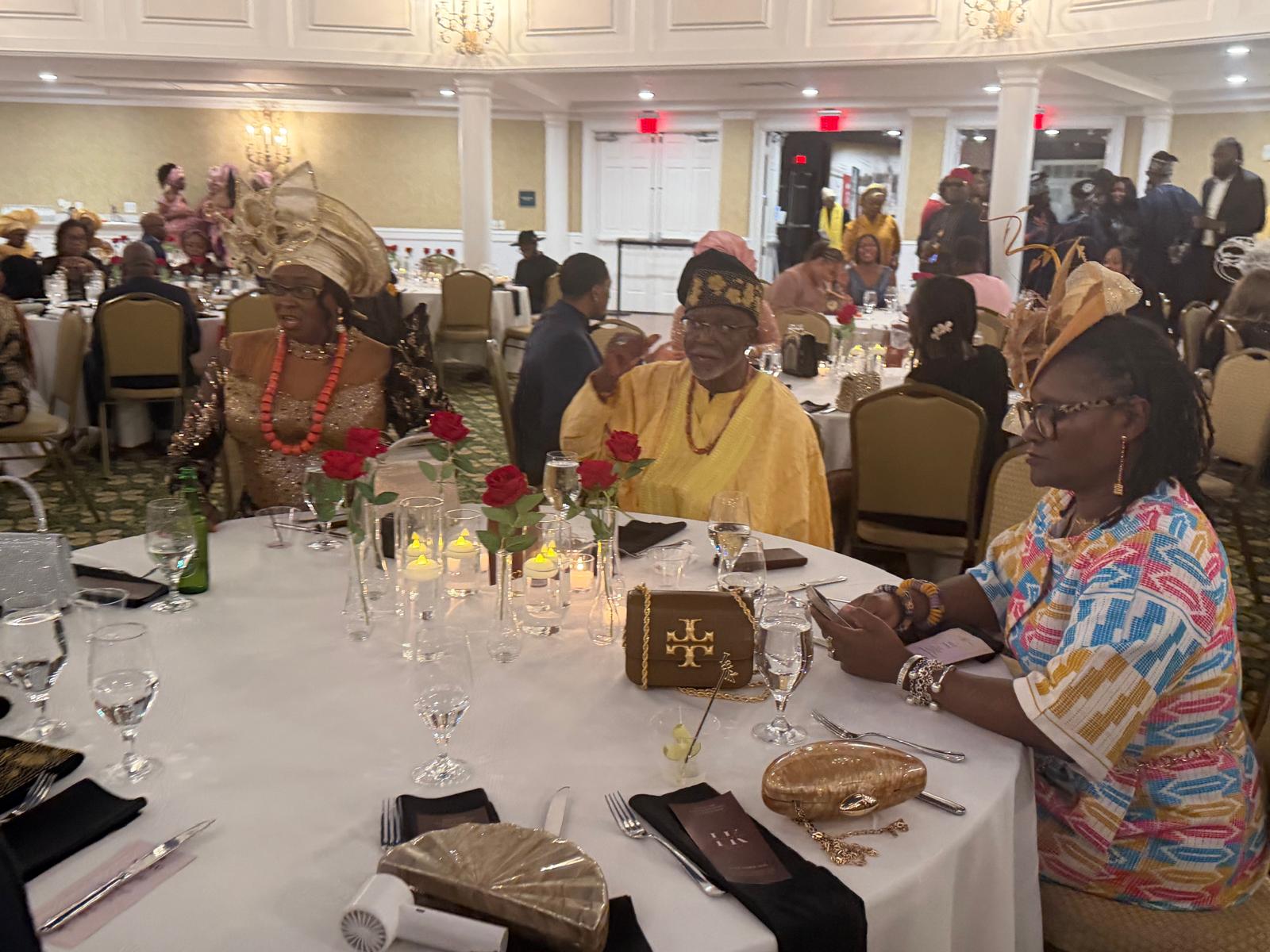
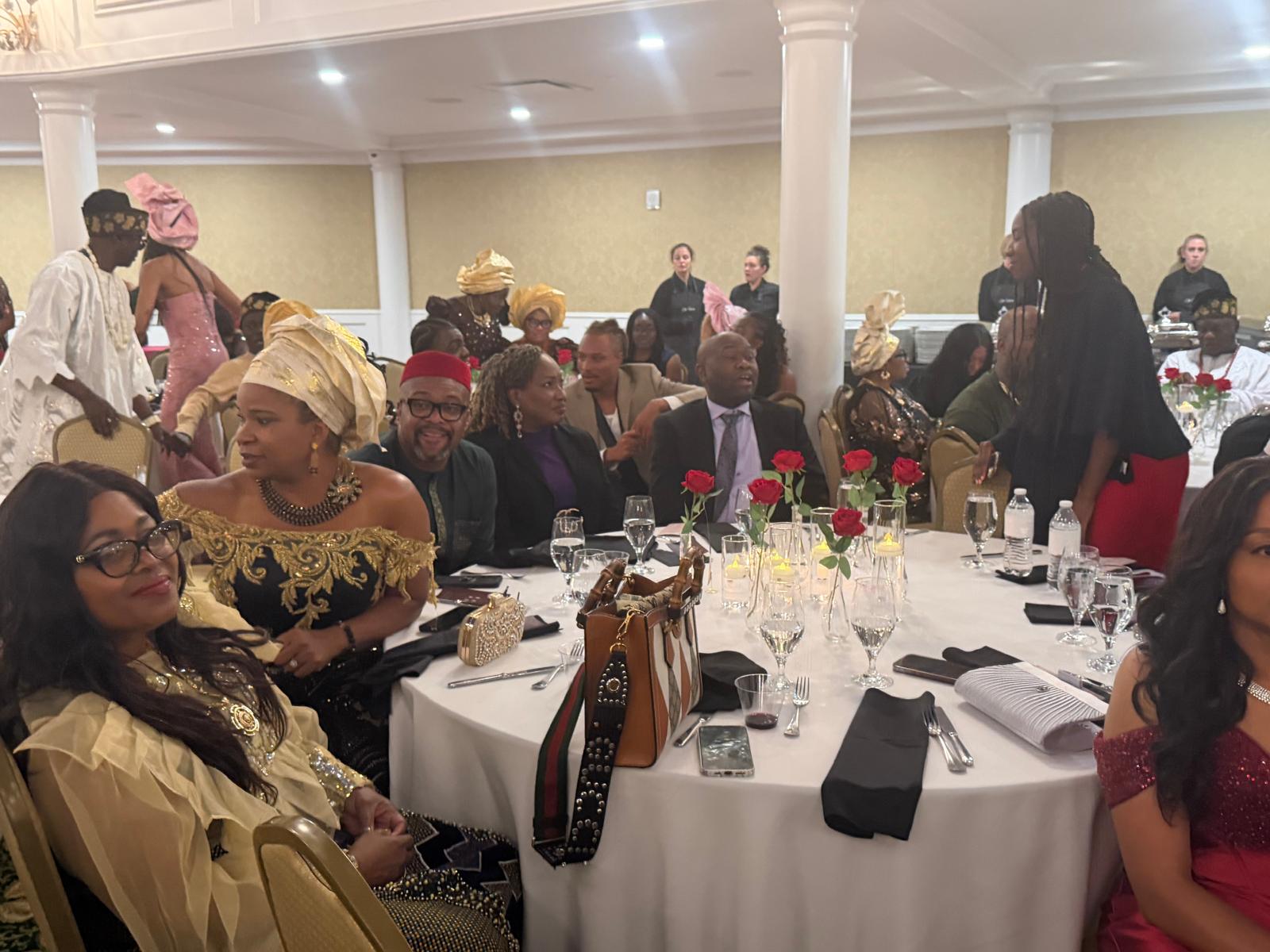
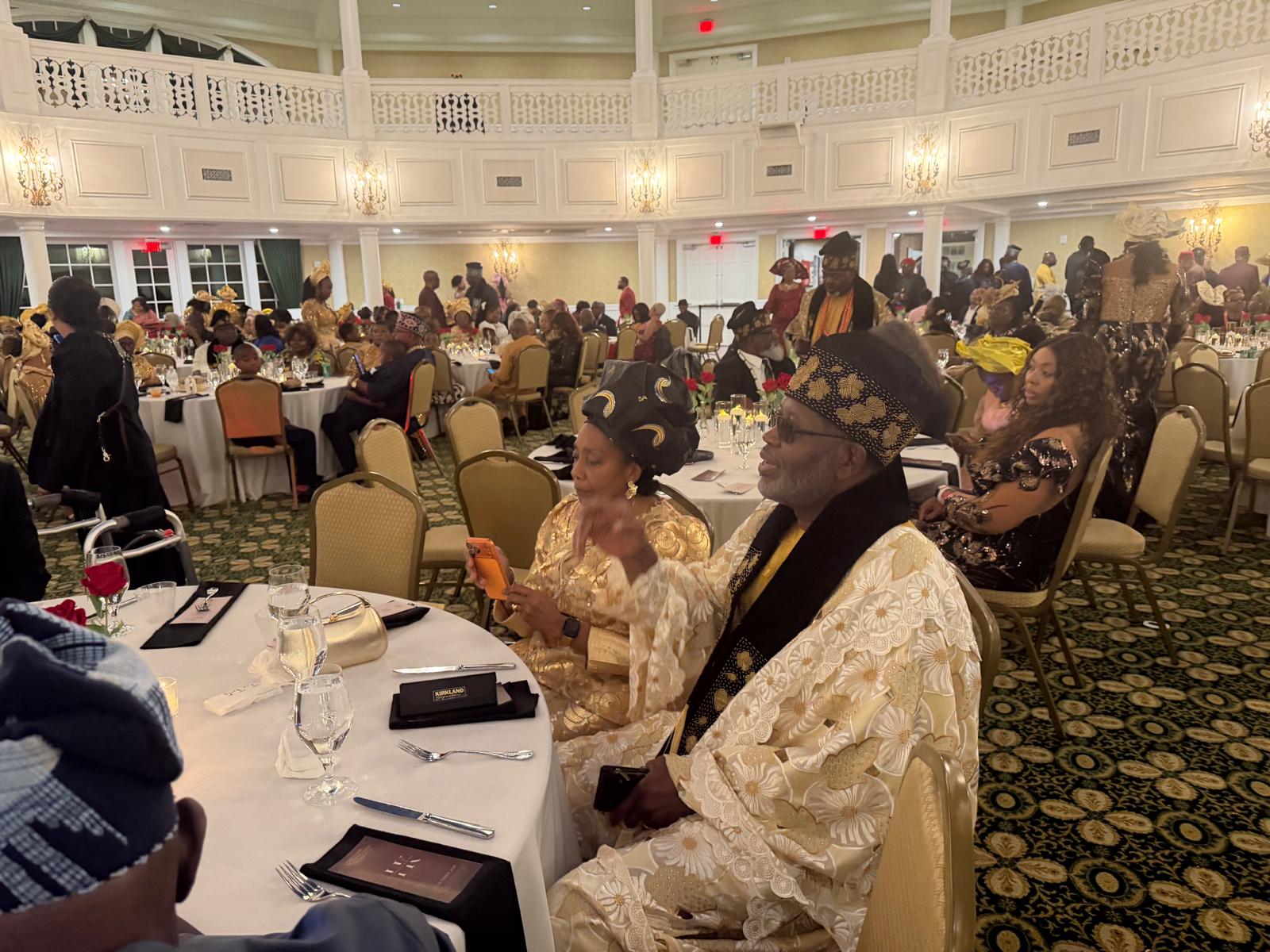
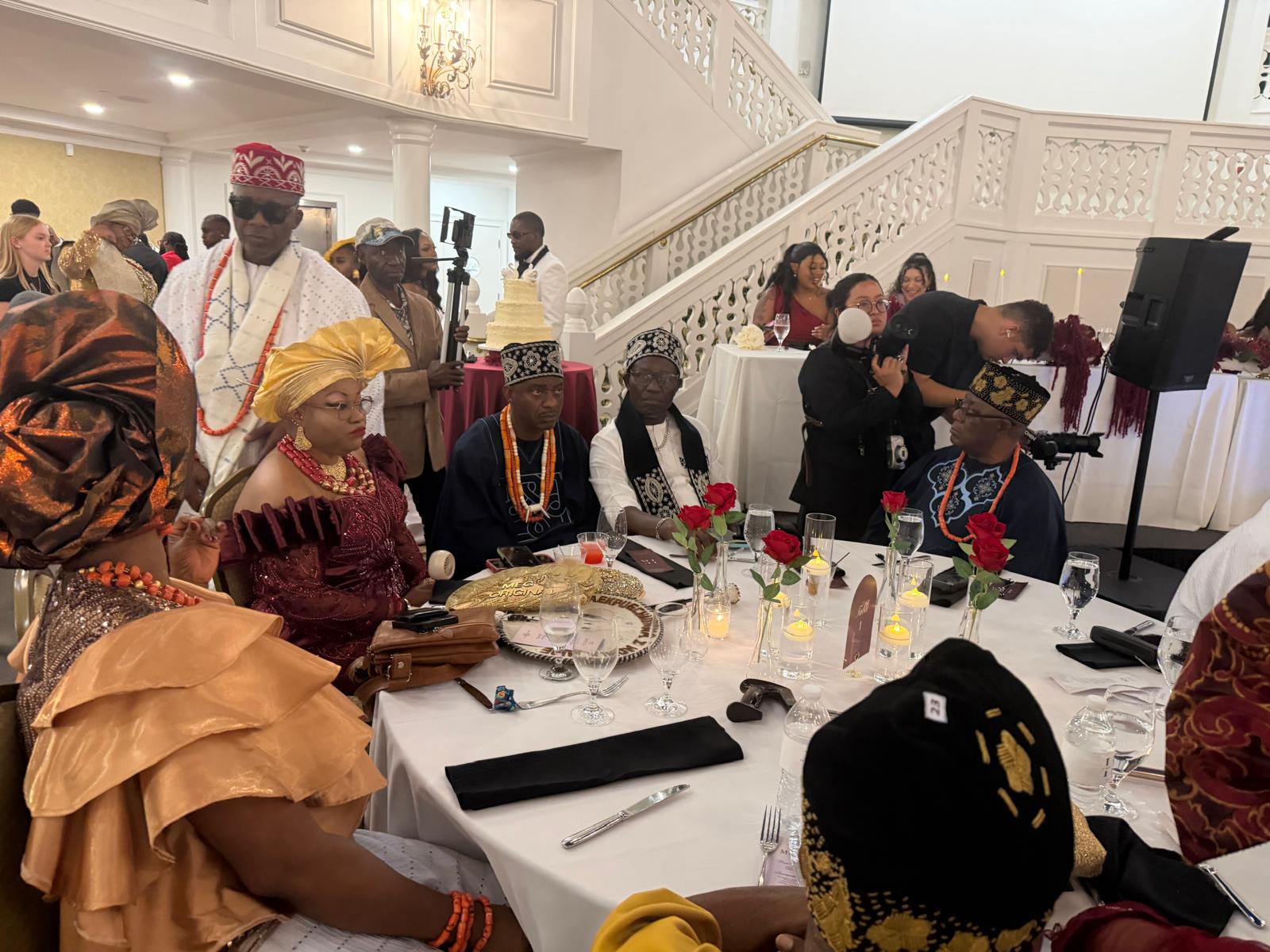
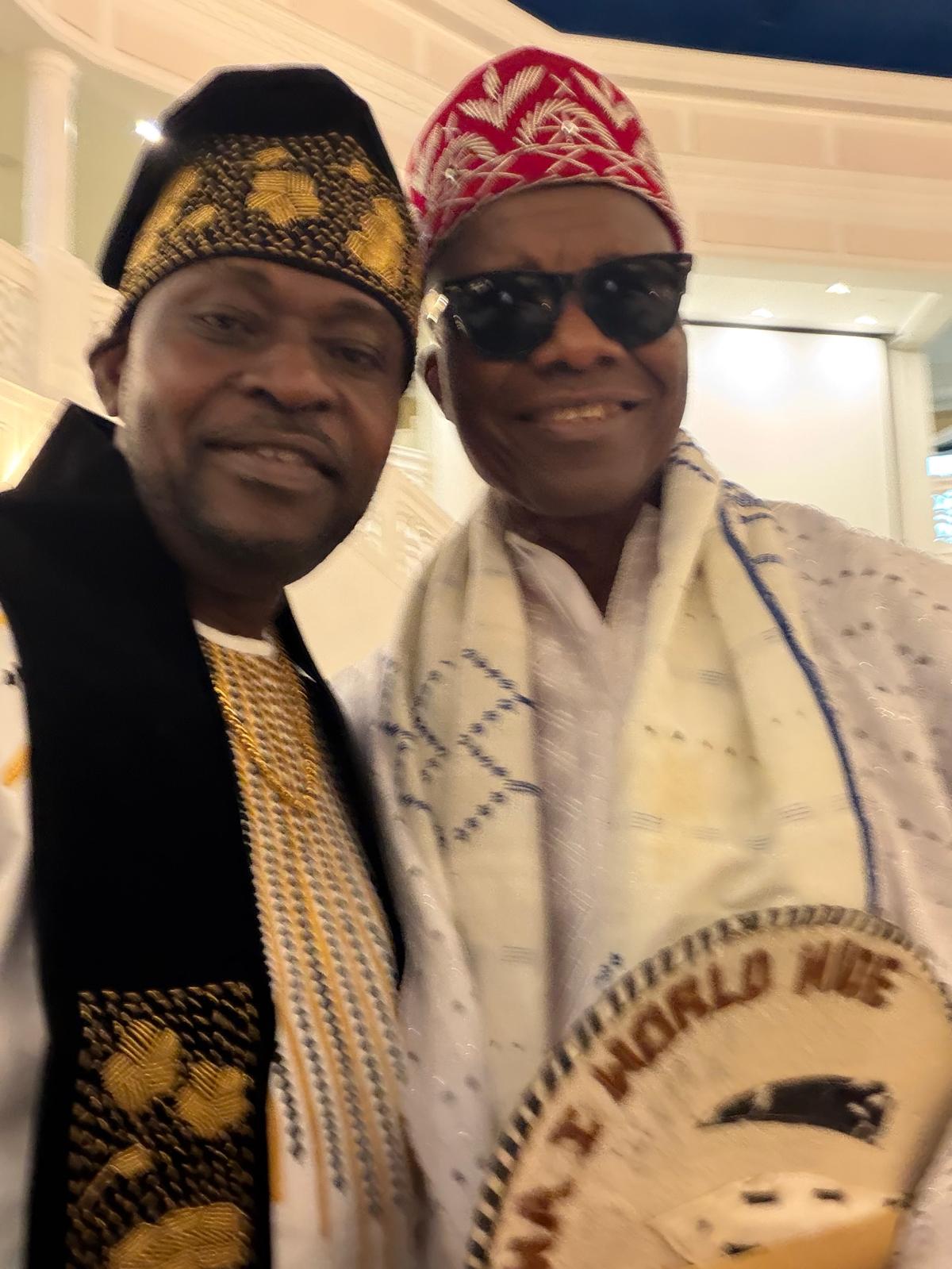
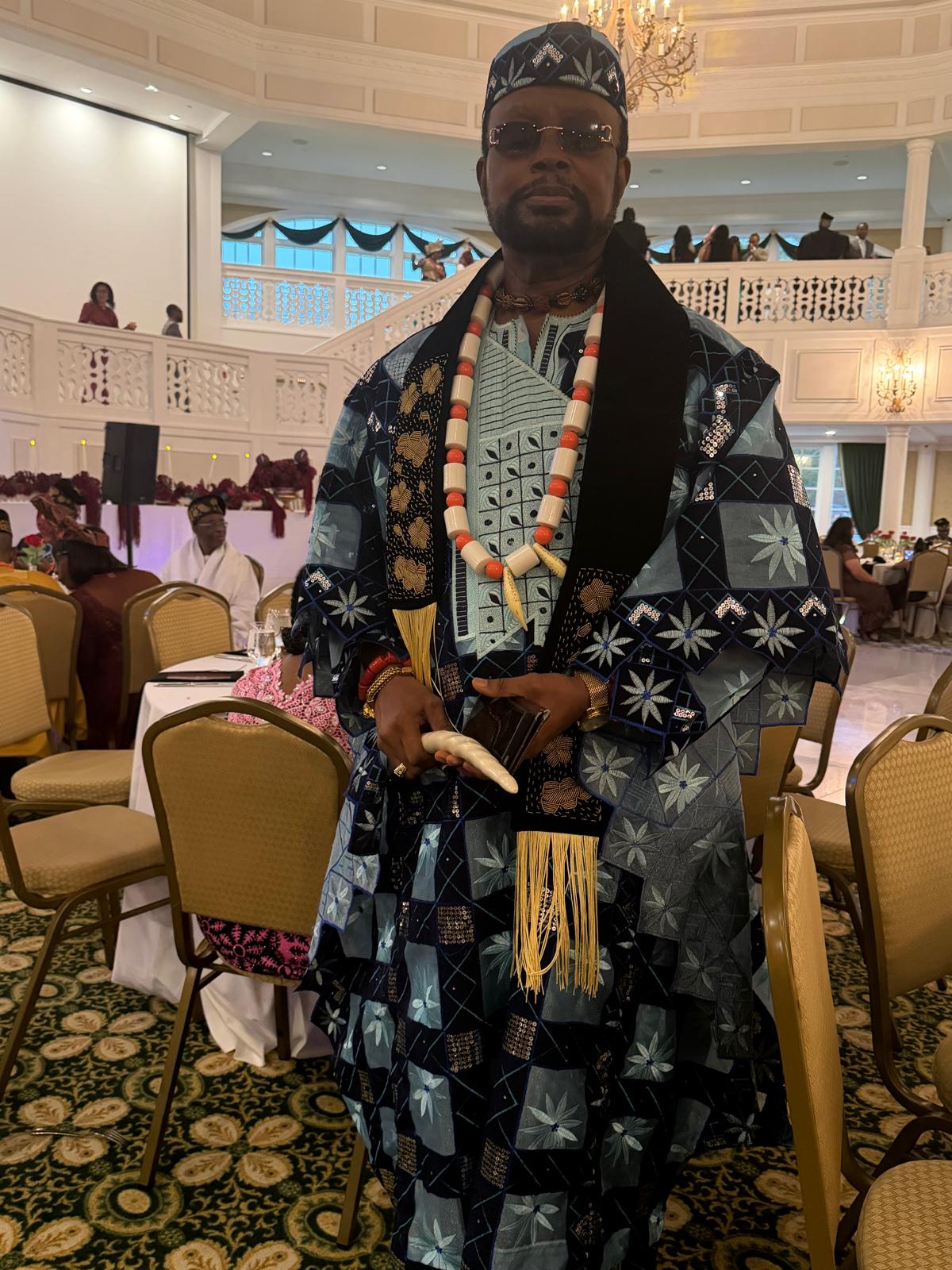
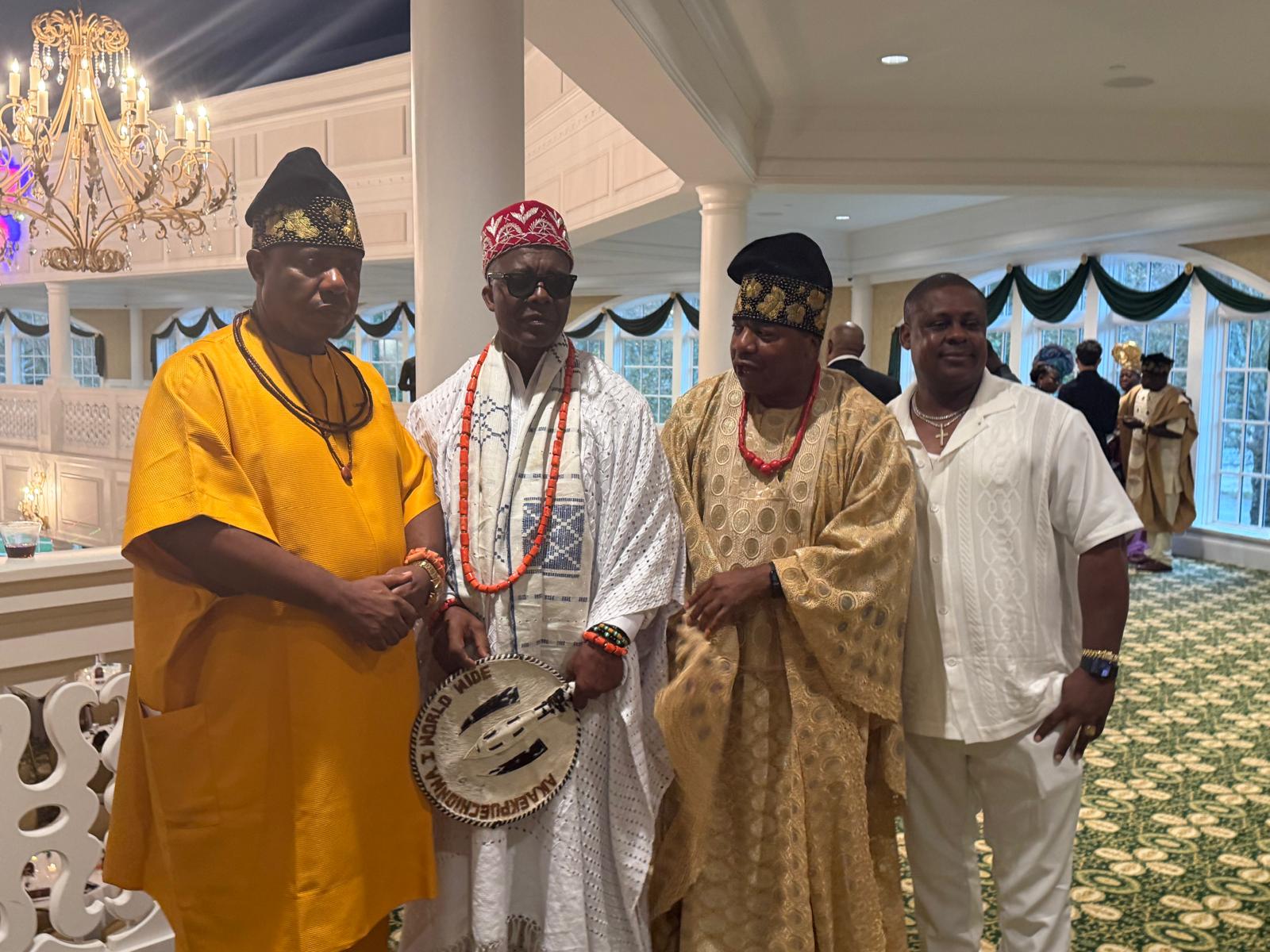
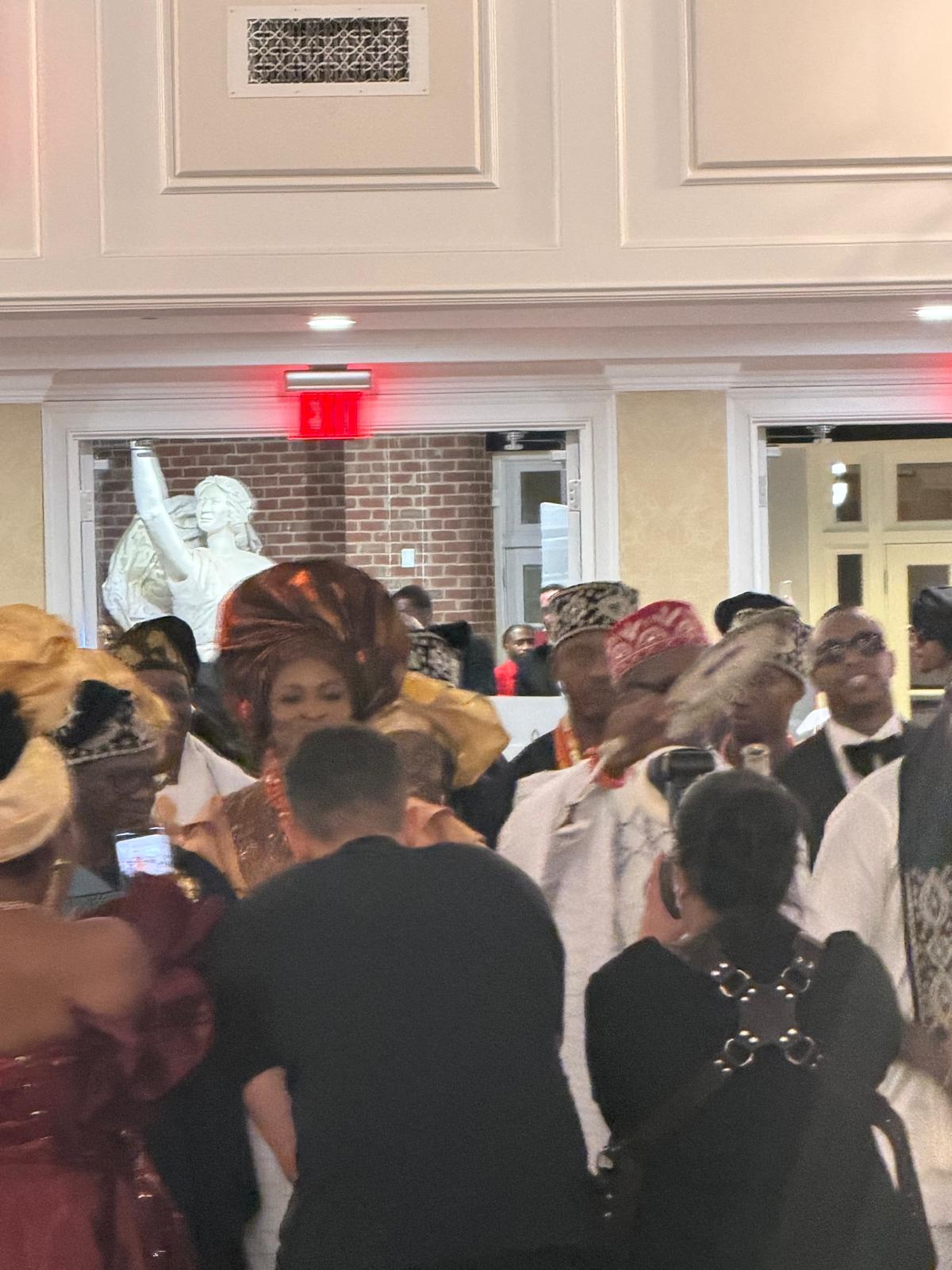
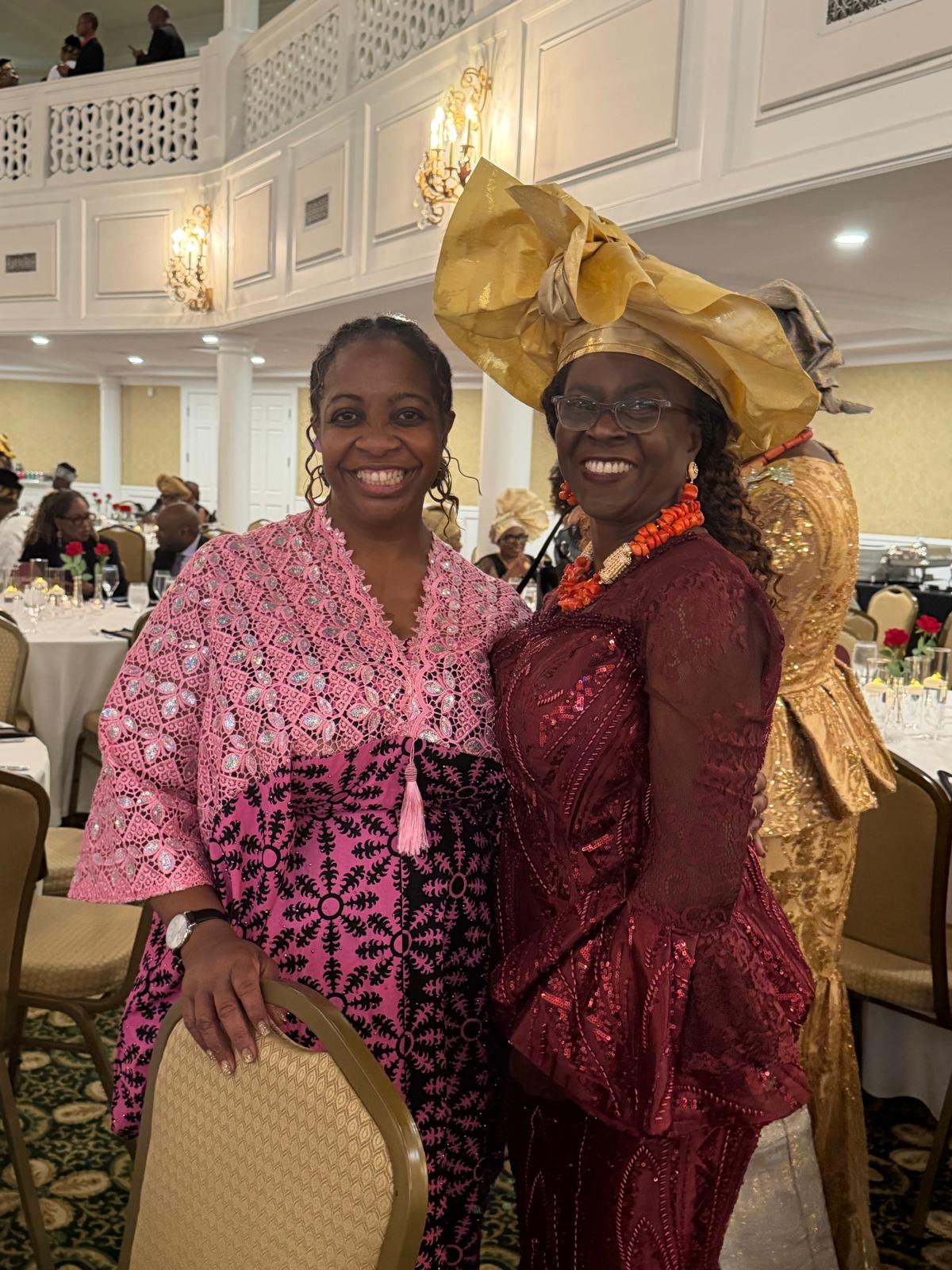
Guests traveled from near and far, arriving in an impressive parade of traditional Nigerian attire, brilliantly colored fabrics, tailored suits, and elegant gowns. The result was a visual celebration of the many identities that make up the African diaspora in America. And then there was the music. Different genres found common ground as guests danced, cheered, embraced, and showered the newlyweds and their families with dollar bills—a familiar Nigerian wedding tradition that can leave first-time American observers wondering whether they have wandered into a wedding reception or a particularly joyful financial institution.
For those unfamiliar with the custom, spraying money is a symbolic expression of goodwill, celebration, and affection. For the newlyweds, it was another reminder that their happiness belonged, at least for one glorious weekend, to an entire community. American friends witnessing a Nigerian wedding for the first time were treated to a cultural experience that no tourism brochure could adequately capture. The outfits told stories. The music crossed borders. The dancing required stamina. And the joy needed no translation.
More Than a Wedding, a Celebration of Belonging
Perhaps what makes the Anene-Ukwa wedding particularly memorable is that it was more than a wedding but also a celebration of belonging. In an America where conversations about immigrants too often revolve around borders, paperwork, and political arguments, gatherings like this offer another picture of immigrant life. Here were families building lives, preserving traditions, creating friendships across cultures, and inviting their American neighbors into the celebration.
For three days, the Anene and Ukwa families demonstrated that cultural heritage and American community life are not competing identities. They can coexist beautifully—sometimes beneath the same reception tent, sometimes in the same church, and almost certainly on the same crowded dance floor.
So, is this Dayton’s Wedding of the Year? The judges, whoever they may be, still have a few months of 2026 left to deliberate. But for Isabella Anene and Kalu Ukwa, the verdict that matters most was already delivered by the family, friends, and community members who came to celebrate them. Love won. Culture flourished. And Dayton showed up dressed for the occasion.
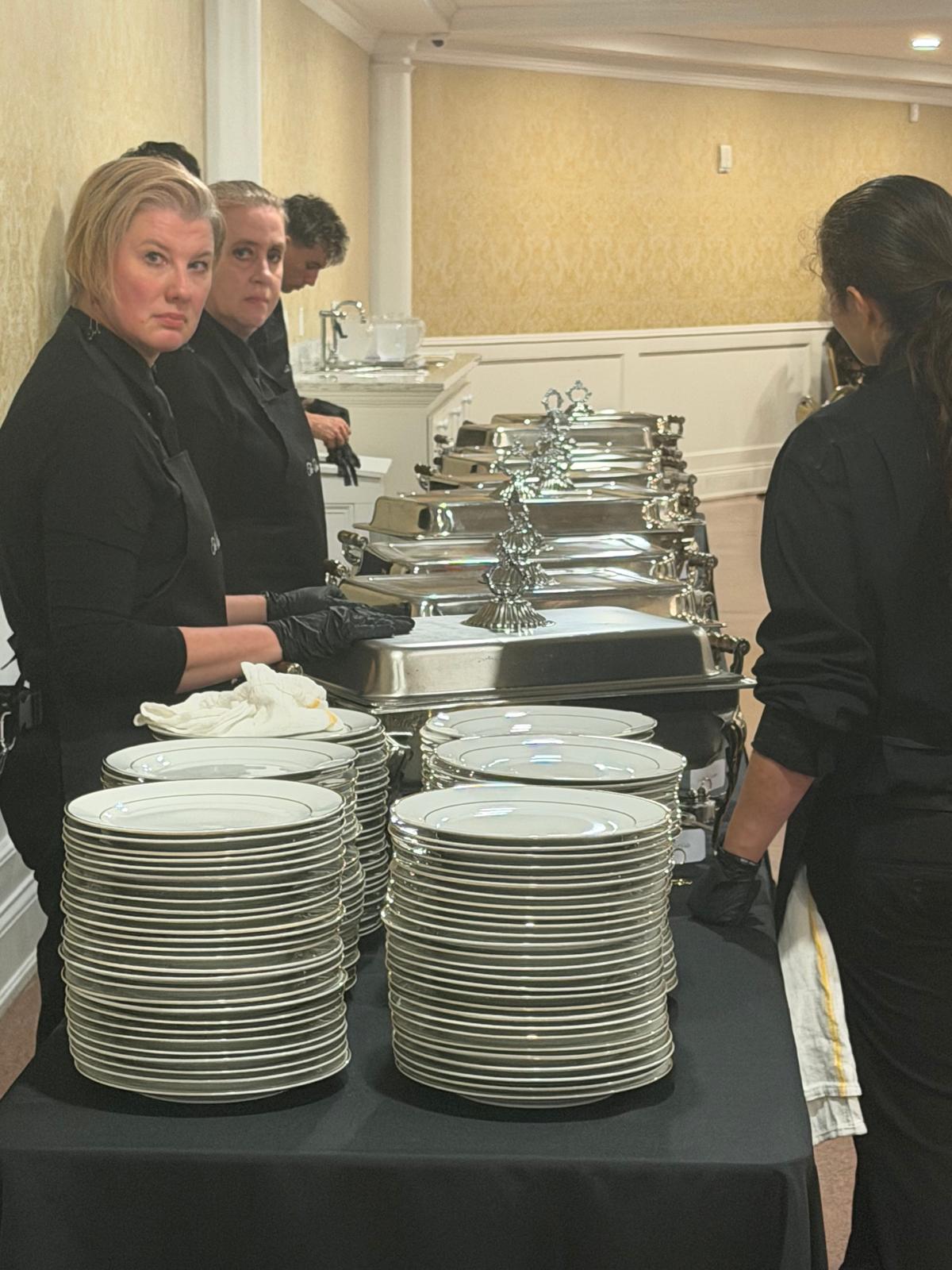
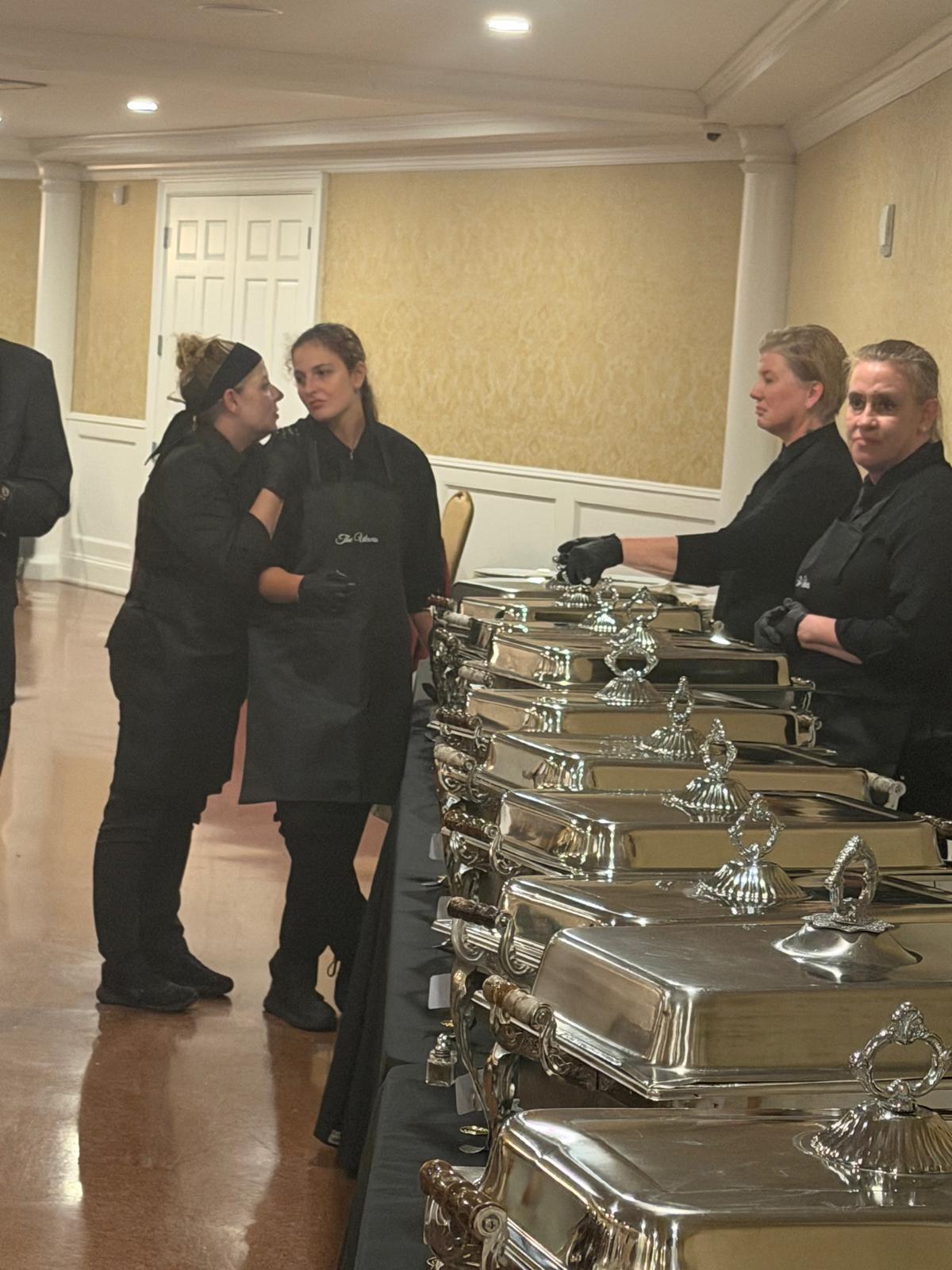
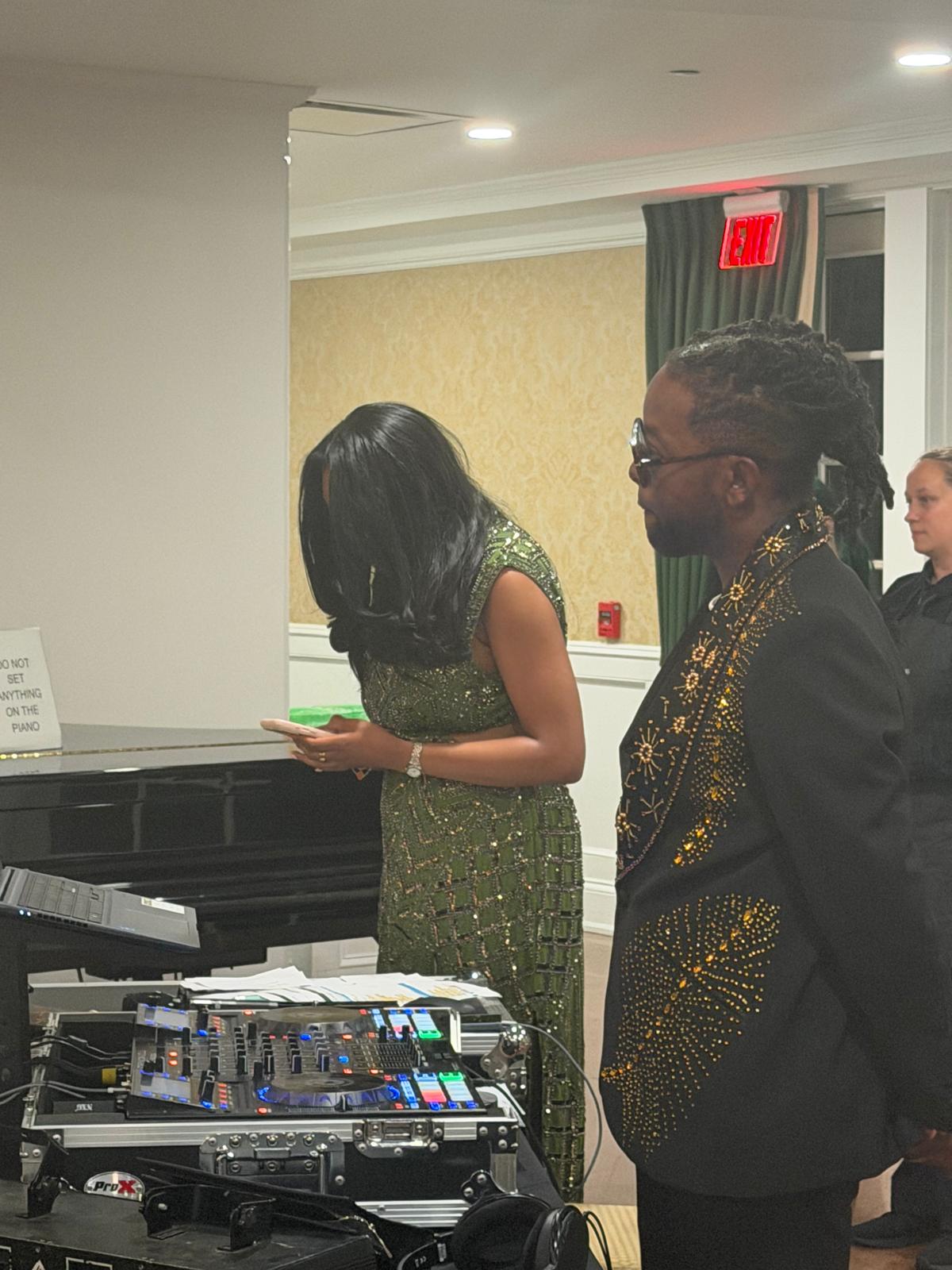
Below, African Metro News presents the sights and sounds of the Anene-Ukwa church wedding and reception, capturing the elegance, cultural splendor, music, and unforgettable moments of a celebration that brought families and communities together.