Friday 12 June 2026 was a good night in America
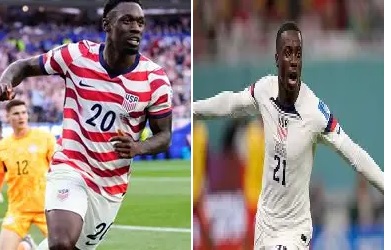
As the crowd rose inside the SOFi stadium in Los Angeles and the United States pushed forward against Paraguay in its opening match of the 2026 FIFA World Cup, Folarin Balogun found space where none appeared to exist. One goal followed another. By the final whistle, the son of Nigerian immigrants had scored twice, helping propel the United States to a commanding victory and announcing himself to a global audience.
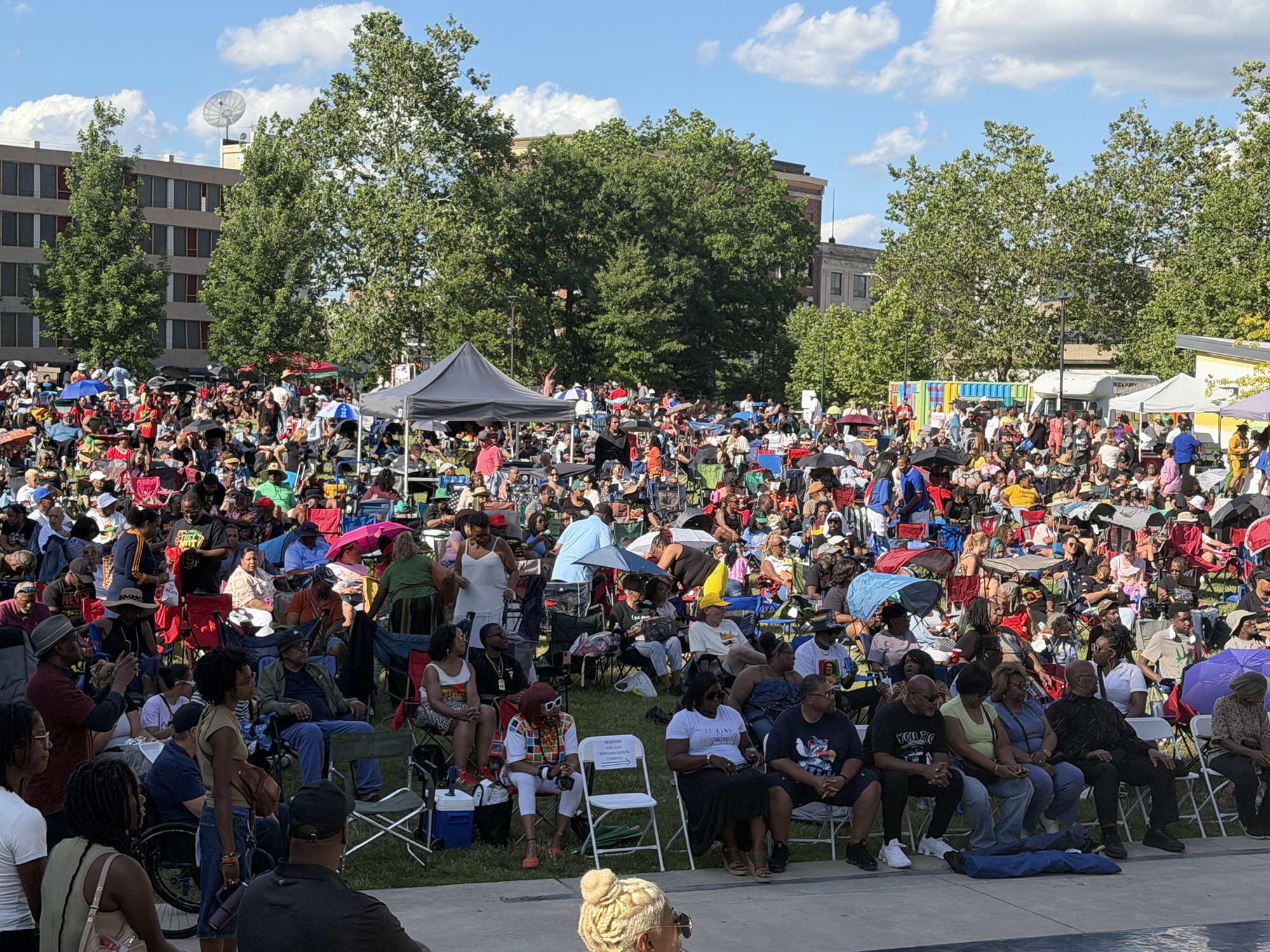
For many American soccer fans, the 4-1 victory was a breakthrough performance. For many immigrants watching from living rooms in Houston, Dayton, Minneapolis, Atlanta, Broklyn and Toronto, that win felt like something more familiar: another chapter in a story they already knew.
The story begins far from the stadium. It begins with parents who crossed oceans carrying ambitions larger than themselves. It begins with families who arrived in America seeking opportunity and whose children would grow up navigating multiple identities at once American at school, Nigerian, Mexicans, Ghanaian, Jamaican, British, Salvadoran, or Haitian at home.
Balogun’s journey captures that reality. Eligible to represent Nigeria, England, or the United States, he ultimately chose America. His goals against Paraguay were celebrated in U.S. jerseys, but they were also celebrated in immigrant households that recognized something of themselves in Balogun’s story.
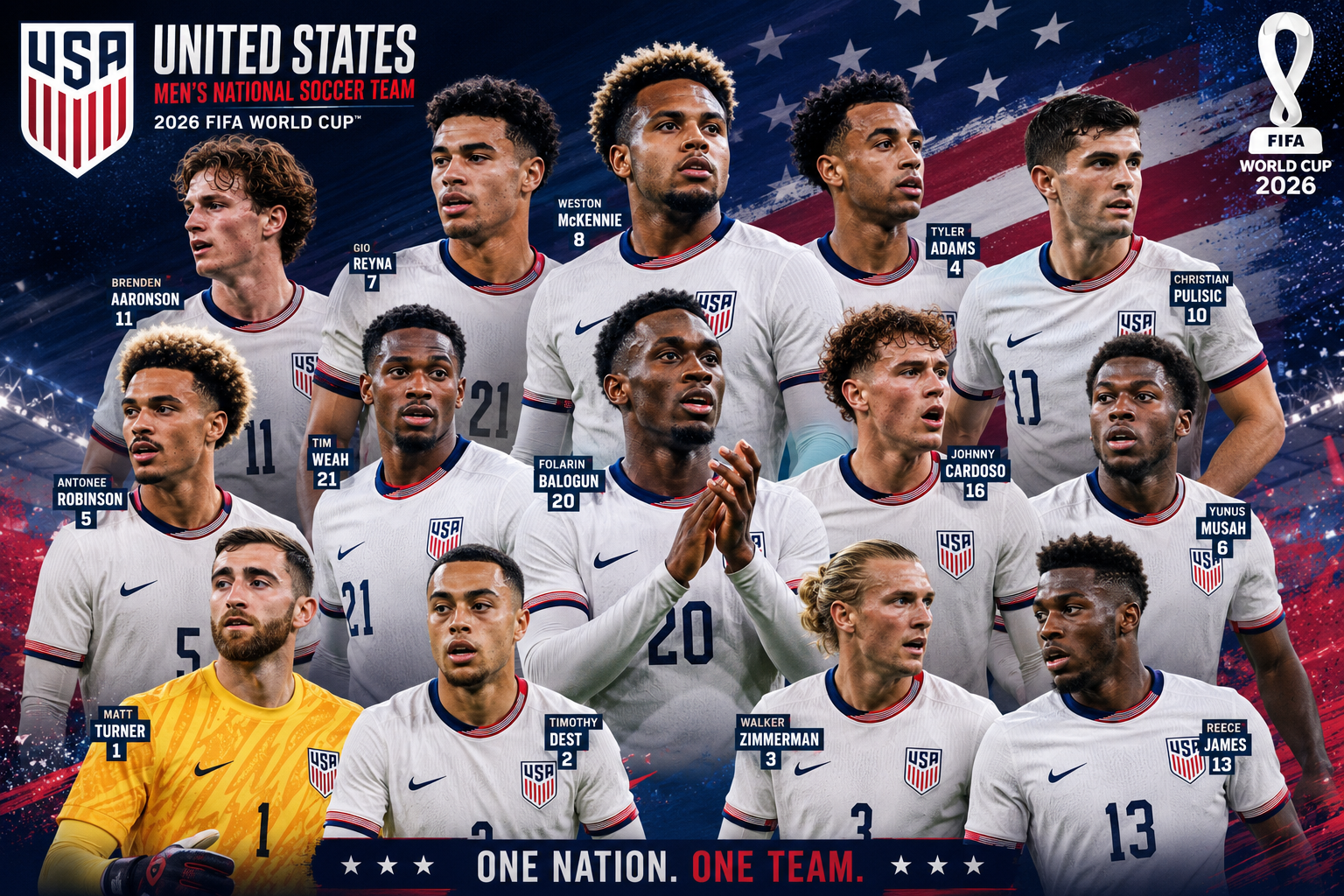
To be sure, For the 2026 FIFA World Cup, the U.S. men’s national team (USMNT) roster includes six players born outside the United States, and several of them, including Folarin Balogun and Timothy Weah, two players, born in Brooklyn New York, are the children of immigrants
Players born abroad and with immigrant roots include Sebastian Berhalter – Born in London, UK;.Sergiño Dest – Born in Almere, Netherlands; Gio Reyna – Born in Sunderland, Antonee Robinson – Born in Milton Keynes, UK; Malik Tillman – Born in Nuremberg, Germany; and Alejandro Zendejas – Born in Ciudad Juárez, Mexico
The modern American soccer team increasingly resembles modern America itself—a collection of players whose roots stretch across continents. The diversity is not incidental. It is foundational. Soccer has long flourished in immigrant communities, where the game requires little more than a ball, a patch of grass, and imagination.
That reality creates one of the more striking contradictions in contemporary American life.
At a moment when immigration remains one of the nation’s most divisive political issues, many of the athletes carrying the country’s hopes on the world’s biggest sporting stage are the children of immigrants. Their parents arrived from elsewhere, but their children now wear the crest of the United States and stand for the national anthem before millions.
The World Cup has always been about nations. Yet it is also about migration, movement, and identity. Every roster tells a story of people crossing borders, building new lives, and creating new definitions of belonging.
For many immigrants, USA’s performance carried a particular resonance that energized World Cup audiences. It was present in the crowds.; it was present on the field itself, embodied by players whose family journey began elsewhere and whose goals now belong to America.
They represented the complicated, evolving story of America itself—a nation still debating immigration while being continually renewed by it. In that sense, Balogun’s two goals and USA’s victory Friday night, represented more than a victory over Paraguay.
Yeah, Friday 12 June 2026 was a good night in America!