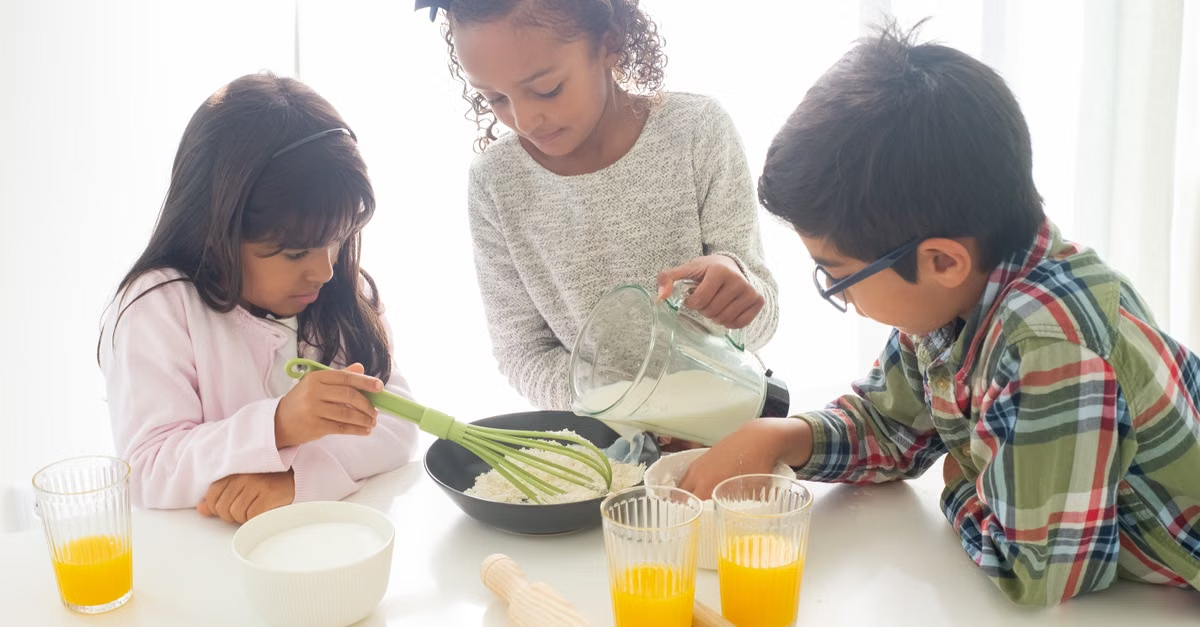
At a community teaching kitchen in Dayton, children are discovering that healthy eating can be affordable, educational and surprisingly fun. For one mother and her twin boys, the experience offered something more.
Somewhere between convincing a child to eat broccoli and explaining why breakfast should involve more than a sugary cereal, American parenting has a surprising new challenge: negotiating with little food critics who haven’t learned to cook but already have very strong opinions about the menu.
Fortunately, Dayton Children’s Hospital has a recipe for that.
At its Connor Child Health Pavilion, the hospital operates a community teaching kitchen where children and families can discover the ingredients of healthier living through hands-on cooking, nutrition education and a generous helping of practical experience.
The initiative offers interactive cooking and nutrition classes designed to help children develop lifelong healthy eating habits while teaching families how to prepare nutritious meals without sending their grocery budgets into intensive care.
And judging by the enthusiasm of two young participants, the hospital may be onto something.
Two Brothers, One Kitchen, Plenty of Enthusiasm
For Verdell , bringing her twin boys, Noah and Nate, to one of the cooking classes turned into an experience that went beyond learning about food.
“It was a great experience for the boys,” Verdell told African Metro News. “I think it is also therapeutic for them.”
The twins were considerably less interested in complicated explanations about the educational benefits.
“We like it!” Noah and Nate chorused.
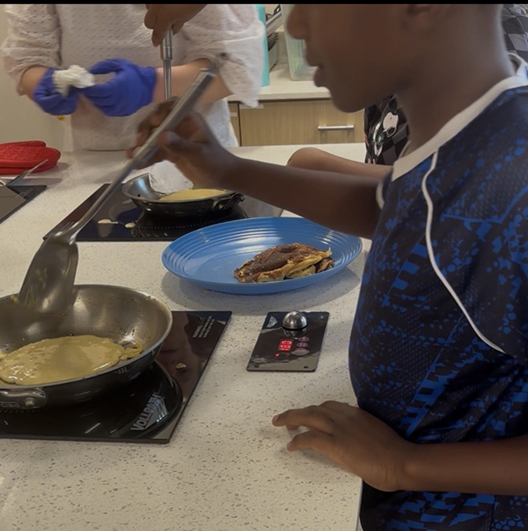
Sometimes, the most convincing endorsement of a children’s program comes not from an administrator’s presentation or a glossy brochure, but from two children who genuinely enjoyed being there.
For Verdell, the experience offered an opportunity for her sons to participate in a positive, engaging activity while developing practical skills.
The classes also create an environment where parents and children can learn together, turning food preparation into an opportunity for family interaction rather than another household chore.
More Than Cooking: Lessons That Last
According to Dayton Children’s Hospital, the community teaching kitchen offers 60- to 90-minute educational cooking classes combining hands-on food preparation with nutrition education.
The goal is straightforward: help children understand what healthy eating looks like, how to prepare balanced meals and why their food choices matter.
But the approach is refreshingly practical.
Rather than simply telling children to eat better, instructors invite them into the kitchen to experiment, prepare recipes and participate in age-appropriate cooking activities.
After all, there is a difference between telling a child that vegetables are important and helping that child discover what to do with them.
Two types of classes.
Group nutrition classes address specific dietary concerns and health conditions, including picky eating, added sugar, constipation, diabetes, sports nutrition and reducing fat in the diet. These classes are billed through insurance.
Basic nutrition and cooking classes, meanwhile, are free and open to families seeking general nutrition education.
Topics include preparing meals on a budget, basic cooking and knife skills, creating balanced meals, healthy breakfasts and heart-healthy cooking.
The emphasis on affordability is particularly important for families navigating rising grocery costs.
Healthy eating, after all, should not require a celebrity chef’s budget.
A Community Resource for Every Family
For immigrant families, newcomers and households from diverse cultural backgrounds, the teaching kitchen offers another practical opportunity: learning how to make nutritious food choices while navigating unfamiliar ingredients, food labels and shopping habits.
Families can also bring their own food traditions and experiences into conversations about healthy meals.
The hospital’s program is not limited to children with specific nutritional concerns. Its broader classes are designed to help young people become increasingly confident and independent in the kitchen.
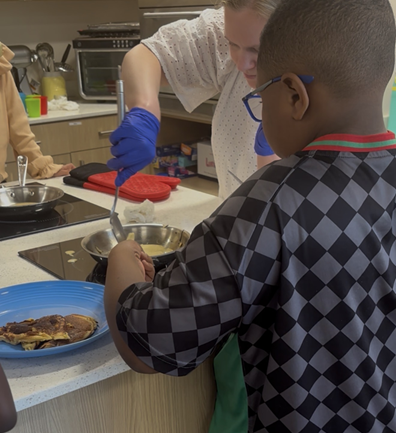
And that independence matters.
A child who learns how to prepare a balanced breakfast today may become a teenager who can make healthier choices tomorrow—and perhaps an adult who understands that dinner does not have to arrive through a delivery app.
For Noah and Nate, the lessons may have begun with the simple pleasure of participating.
For their mother, the experience carried an additional benefit: watching her children learn, engage and enjoy themselves.
Dayton Children’s Hospital may call it a community teaching kitchen.
For families, it may as well be another place where healthy habits, confidence and childhood memories can begin with something as ordinary as preparing a meal.
And when the children themselves declare, “We like it,” that might be the most encouraging ingredient of all.