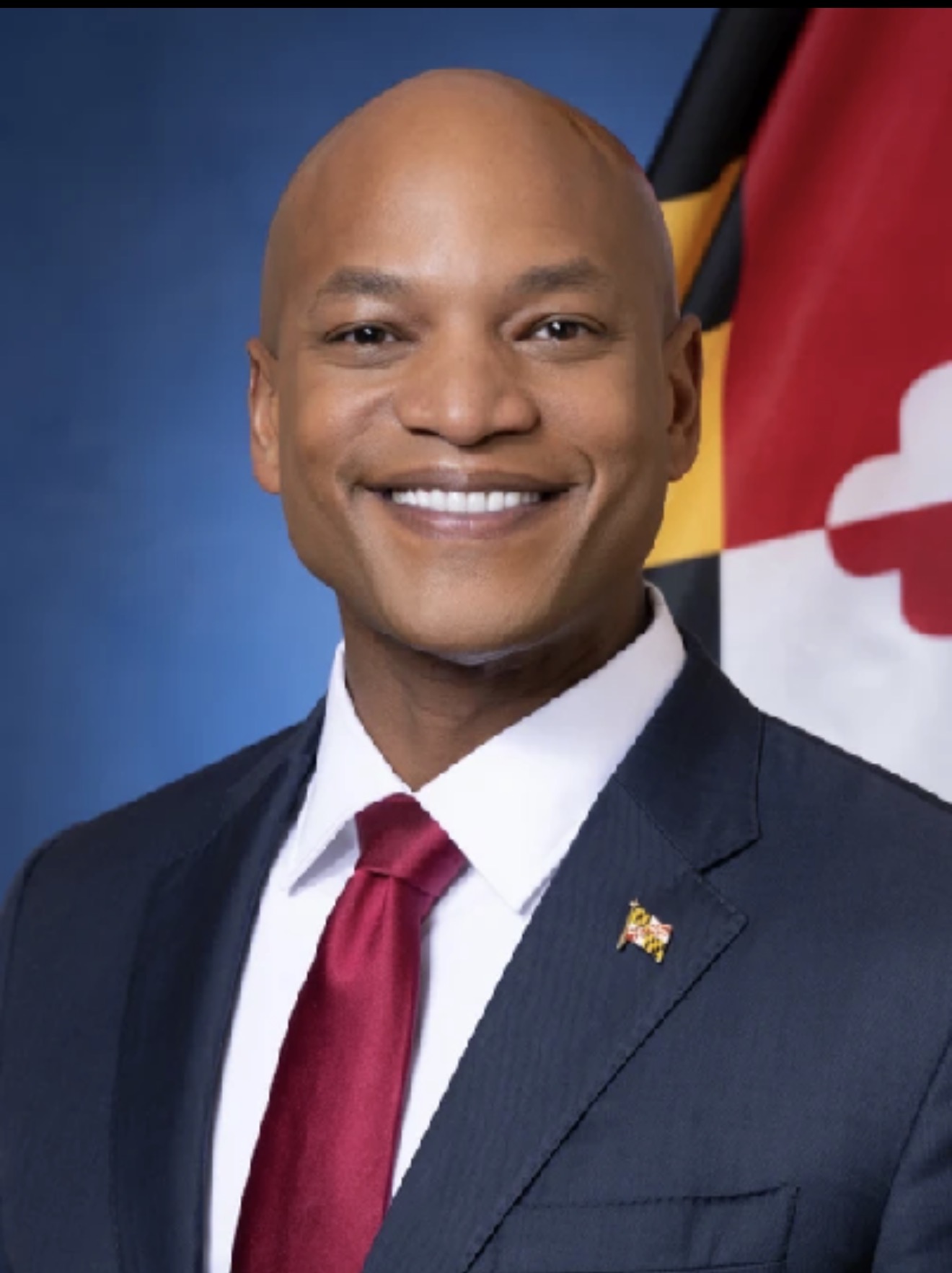
ANNAPOLIS, Md. America has heritage months for communities whose journeys eventually became part of the country’s own story. Now Maryland is making room on the calendar for another.Gov. Wes Moore has proclaimed October 2026 Nigerian American Heritage Month, recognizing an estimated 60,000 Nigerian Americans living in Maryland and their contributions to medicine, education, business, technology, public service and the arts.
Lt. Gov. Aruna Miller and Secretary of State Susan C. Lee co-signed the October 1 proclamation, according to the announcement. For Nigerian immigrants accustomed to being simultaneously very visible at hospitals, universities and professional gatherings—and considerably less visible in America’s official cultural calendar—the proclamation carries symbolism beyond another government document suitable for framing.
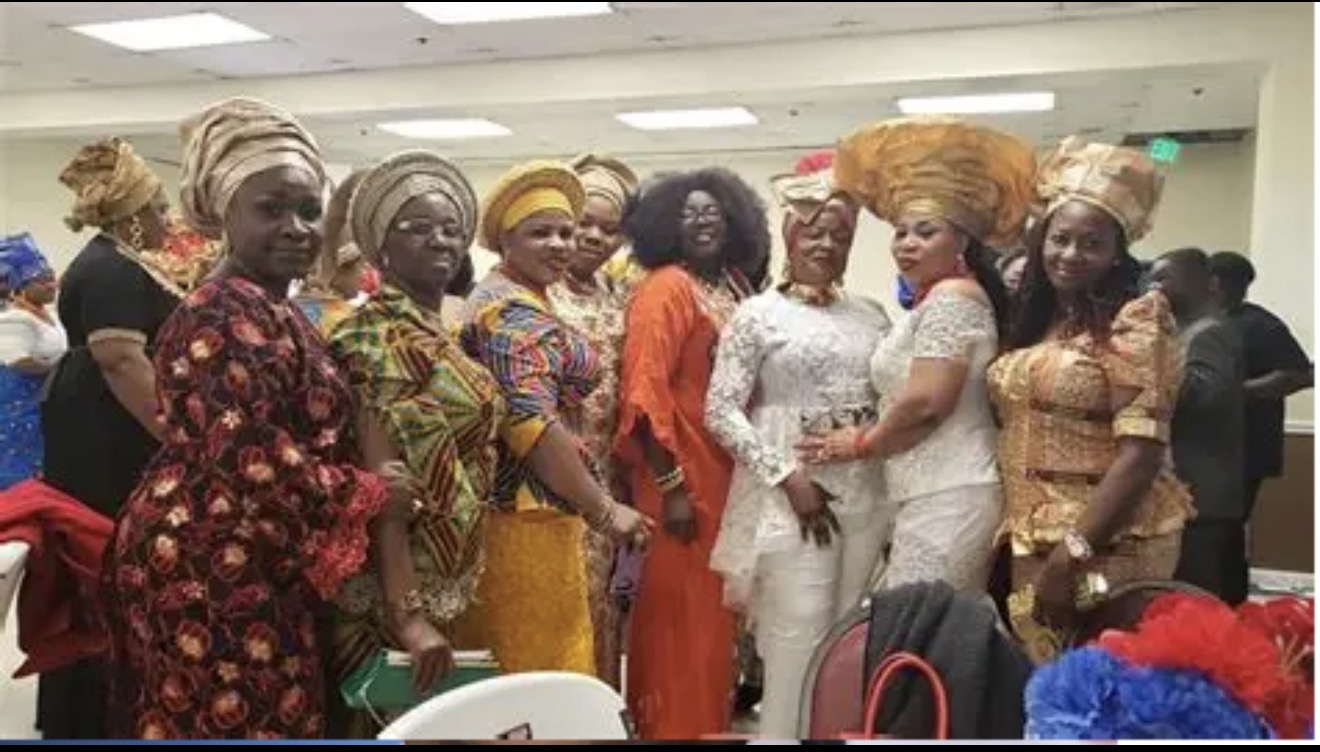
The Maryland governor’s proclamation essentially says, Hey Nigerian-Americans, see you. Maryland may be an interesting place for that recognition to begin. Moore has previously proclaimed September African Heritage Month, describing African immigrants as an important part of Maryland’s cultural, economic and civic life. Maryland says it has the fourth-largest share of African immigrants in the country.
Similarly, The District of Columbia has also proclaimed October 2026 as “Nigerian American Heritage Month” and October 1, 2026, as “Nigeria Day” in the city, recognising the contributions of its Nigerian community. The Secretary of the District of Columbia, Kimberly A. Bassett, presented the proclamation on behalf of Mayor Muriel Bowser at the 66th Independence Day dinner hosted at the Nigerian Embassy in Washington, DC.
These recent Nigerian proclamation takes that recognition one step further by celebrating a particular national diaspora. It arrives while America is observing Hispanic Heritage Month, the national celebration running from September 15 through October 15. What began as Hispanic Heritage Week in 1968 was expanded to a month-long observance in 1988. Today it is embedded in America’s civic calendar, with museums, schools and government institutions recognizing generations of Hispanic American contributions.
That history presents an intriguing question: Could Nigerian American Heritage Month eventually travel the same road? Washington, D.C., has reportedly joined Maryland this year in recognizing October as Nigerian American Heritage Month and October 1 as Nigeria Day. If other states and cities with substantial Nigerian populations follow, what currently looks like regional recognition could become something larger.
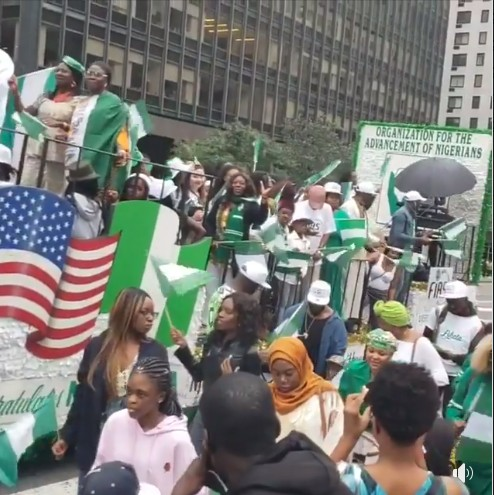
Heritage months are not merely occasions for jollof rice, agbada and government officials discovering the pronunciation of Nigerian names in real time. Recognition can create visibility. Visibility can create access—to government, civic institutions, schools, business networks and policy making. But a proclamation is not immigration relief, economic assistance or legislation. It does not change anyone’s visa status or solve the practical challenges confronting immigrant families.
For Nigerian Americans—and potentially other newer immigrant communities—it represents another stage in the complicated American journey: first you arrive, then you build, work and raise families. Eventually, if enough neighbors notice, somebody puts you on the calendar. The larger question now is whether Maryland is celebrating its Nigerian community—or previewing something the rest of America may eventually embrace.