From high blood pressure and diabetes to overlooked infections, an experienced physician explains why immigrant families should pay attention to what they cannot always feel.
Introduction
For many immigrants, the American dream begins with a demanding schedule: two jobs, children’s school activities, bills, family obligations and perhaps a few hours of sleep squeezed between these responsibilities and chores.
Somewhere along the way, the annual medical checkup often becomes another appointment to postpone.
The trouble is that high blood pressure does not send a calendar invitation. Neither does diabetes.
In the concluding installment of African Metro News’ three-part Expert Voices conversation, Dr. Ugo Nwokoro examines the often-overlooked health risks facing immigrant communities, including chronic diseases, region-specific medical conditions and the lifestyle changes that accompany settling in America.
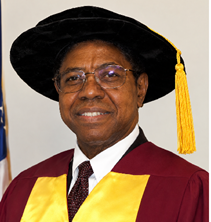
Drawing on his clinical experience, Dr. Nwokoro explains why medical history, geographic background and preventive screening matter—and why physicians must recognize population-specific risks without making assumptions about individual patients.
His central message is straightforward: Don’t wait until you feel sick to find out whether you are healthy.
The Interview: Part Three
AMN: What chronic health conditions do you commonly encounter among immigrant patients?
Dr. Nwokoro: Immigrant populations may experience chronic or region-specific health conditions depending on their geographic origins and previous exposure to diseases.
In my practice, I pay particular attention to undiagnosed hypertension, anemia, peptic ulcer disease, parasitic infections, tuberculosis, skin conditions and arthritis among patients from African immigrant communities.
Among some patients from Middle Eastern backgrounds, I have observed diabetes, respiratory disorders, thyroid dysfunction and gastrointestinal conditions.
Another challenge is incomplete medical histories. Some patients arrive without reliable medical records or previous screening results, making comprehensive assessments particularly important.
AMN: Why are hypertension and diabetes considered silent diseases?
Dr. Nwokoro: Both conditions can develop for years without noticeable symptoms, yet their consequences can be devastating.
Uncontrolled hypertension and diabetes increase the risk of heart attacks, strokes, cardiovascular disease and chronic kidney disease.
People may not realize they have these conditions until serious complications develop.
Regular screening is essential, even when someone feels perfectly healthy.
AMN: What warning signs should families recognize?
Dr. Nwokoro: Severe or persistent headaches, dizziness, chest pain, palpitations and changes in vision warrant medical evaluation, although hypertension often produces no symptoms.
Excessive thirst, frequent urination, unexplained weight loss, persistent fatigue, increased hunger and slow-healing wounds may indicate diabetes.
People with a family history of these conditions, excess weight, physical inactivity or other cardiovascular risk factors should be particularly proactive about screening.
AMN: How can adapting to American life affect an immigrant’s long-term health?
Dr. Nwokoro: Many immigrants arrive relatively healthy but gradually experience changes in diet, physical activity, sleep and work-life balance.
Greater consumption of fast food, processed meals, refined carbohydrates and sugary beverages can contribute to obesity, hypertension and type 2 diabetes.
Long working hours, family responsibilities and limited exercise compound these risks.
The challenge is maintaining healthy habits while navigating the demands of a new environment.
AMN: Should physicians screen immigrants differently depending on their countries of origin?
Dr. Nwokoro: Geographic background can help physicians identify conditions that might otherwise be overlooked.
Depending on individual circumstances, patients may need additional evaluation for tuberculosis, parasitic infections, liver disorders, autoimmune conditions or other diseases associated with particular exposures.
However, physicians must avoid stereotyping patients based on nationality or ethnicity.
Every patient deserves a comprehensive medical history, appropriate diagnostic testing and individualized care.
AMN: What is your most important advice to immigrant families?
Dr. Nwokoro: “Prevention, early detection, and timely treatment save lives.”
Do not wait for symptoms before checking your blood pressure or blood sugar.
“Knowing your numbers is one of the simplest and most effective steps you can take to protect your long-term health.”
The Takeaway: Make Prevention Part of the American Dream
For immigrant families, economic stability and educational success often dominate the conversation about building a better future.
Dr. Nwokoro’s message adds another priority: protecting the health needed to enjoy that future.
A regular medical checkup may not be as exciting as a promotion, a new home or a child’s graduation. But detecting a silent illness early could make all those milestones easier to reach.
This concludes African Metro News’ three-part Expert Voices interview with Dr. Ugo Nwokoro, exploring immigrant healthcare access, preventive medicine and the health challenges of building a life in America.
Editor’s note: This interview has been condensed and lightly edited for clarity and length. The physician’s clinical observations describe patterns encountered in practice, not conditions that should be assumed to affect every member of a particular immigrant community.
Explore the Three-Part AMN Expert Voices Series
Dr. Nwokoro explores immigrant healthcare access, cultural differences and the importance of trust.
Preventive care, insurance confusion, mental-health stigma and why some immigrant families delay treatment.
Hypertension, diabetes, overlooked illnesses and practical steps immigrant families can take to protect their health.
AMN Expert Voices | Conversations that inform, inspire and empower.