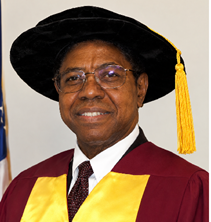
Before he practiced medicine across four countries, there was a dining table, a mother and a young boy discovering the possibilities of education. Dr. Ugochukwu Nwokoro remembers his mother reviewing his examination results, celebrating his progress and encouraging him to keep learning.
Those ordinary family moments would help shape an extraordinary international medical careerAn international medical journey, more than three decades of experience, and a mission to help immigrant families navigate American healthcare.
PART ONE | The Doctor Who Crossed Continents—and Learned That Healthcare Has No Borders
.”My journey into medicine has been shaped by a simple but profound belief: Life is a journey, not a destination,” Nwokoro told African Metro News.
That journey carried him through medical education and professional experiences in Nigeria, the United Kingdom, Trinidad and Tobago, and eventually the United States.
Along the way, he discovered something medical textbooks rarely explain adequately: illness may be universal, but the experience of seeking treatment is profoundly shaped by culture, language and circumstance.
A Doctor in a City of Many Homelands
In Dayton, Ohio, where Nwokoro practices internal medicine, his patients include immigrants from Nigeria, Rwanda, Iraq, Turkey, Uzbekistan, Ukraine and other countries.
Their backgrounds differ, but many confront a common challenge: understanding an American healthcare system that can bewilder even those born into it.
Insurance networks, primary care providers, appointments, referrals and medical bills form a complicated landscape. For newcomers navigating unfamiliar terminology and expectations, accessing care can become another exercise in cultural translation.
And unlike a language examination, getting the answers wrong can have consequences for one’s health.
Nwokoro says effective healthcare requires more than clinical expertise.
“It requires cultural sensitivity, empathy, trust-building, and a willingness to understand each patient’s background and individual circumstances.”
His observations challenge a familiar assumption: that making healthcare available automatically makes it accessible.
A patient may have insurance but struggle to understand its benefits. Another may recognize the need for treatment but hesitate because of cultural beliefs, financial concerns or unfamiliarity with preventive medicine.

The Missing Ingredient: Trust
After more than three decades in medicine, Nwokoro believes immigrant families need greater access to preventive care, better understanding of primary healthcare and stronger community-based health education.
He is particularly concerned about the stigma surrounding mental health and the tendency among some families to seek treatment only when symptoms become serious.
Yet he cautions against interpreting hesitation as indifference.
“I believe the key difference is not necessarily a lack of interest in healthcare, but rather differences in familiarity, trust, cultural expectations, and accessibility.”
His prescription begins with education, communication and respect for patients’ experiences.
Beyond his medical practice, Nwokoro participates in community events addressing healthcare access, preventive medicine and navigating the American system.
For him, these efforts are not separate from medicine. They are part of delivering it.
Beyond the Examination Room
Nwokoro’s international journey offers a broader lesson for healthcare institutions serving America’s increasingly diverse communities.
A culturally competent healthcare system must do more than translate medical instructions. It must recognize the experiences patients bring into the examination room.
For immigrant families, that recognition can make the difference between postponing treatment and seeking help early.
And for physicians, it can transform a clinical encounter into a relationship built on trust.
Nwokoro’s ultimate ambition is clear: immigrant families should become informed participants in their own healthcare rather than passive recipients of treatment.
His journey began with a mother encouraging her son at the dining table.
Decades later, the lesson remains remarkably similar: knowledge opens doors—and sometimes, it helps people live healthier lives.
Next in AMN Expert Voices: Why Some Immigrant Families Wait Until They Are Seriously Ill Before Seeking Care.
Coming Next in AMN Expert Voices
Explores preventive care, primary care, insurance confusion, mental-health stigma and why healthcare hesitation is not necessarily a lack of interest in personal health.
Examines medical interpretation costs, communication gaps, ethnic and religious mistrust, canceled appointments and the need for culturally responsive healthcare.