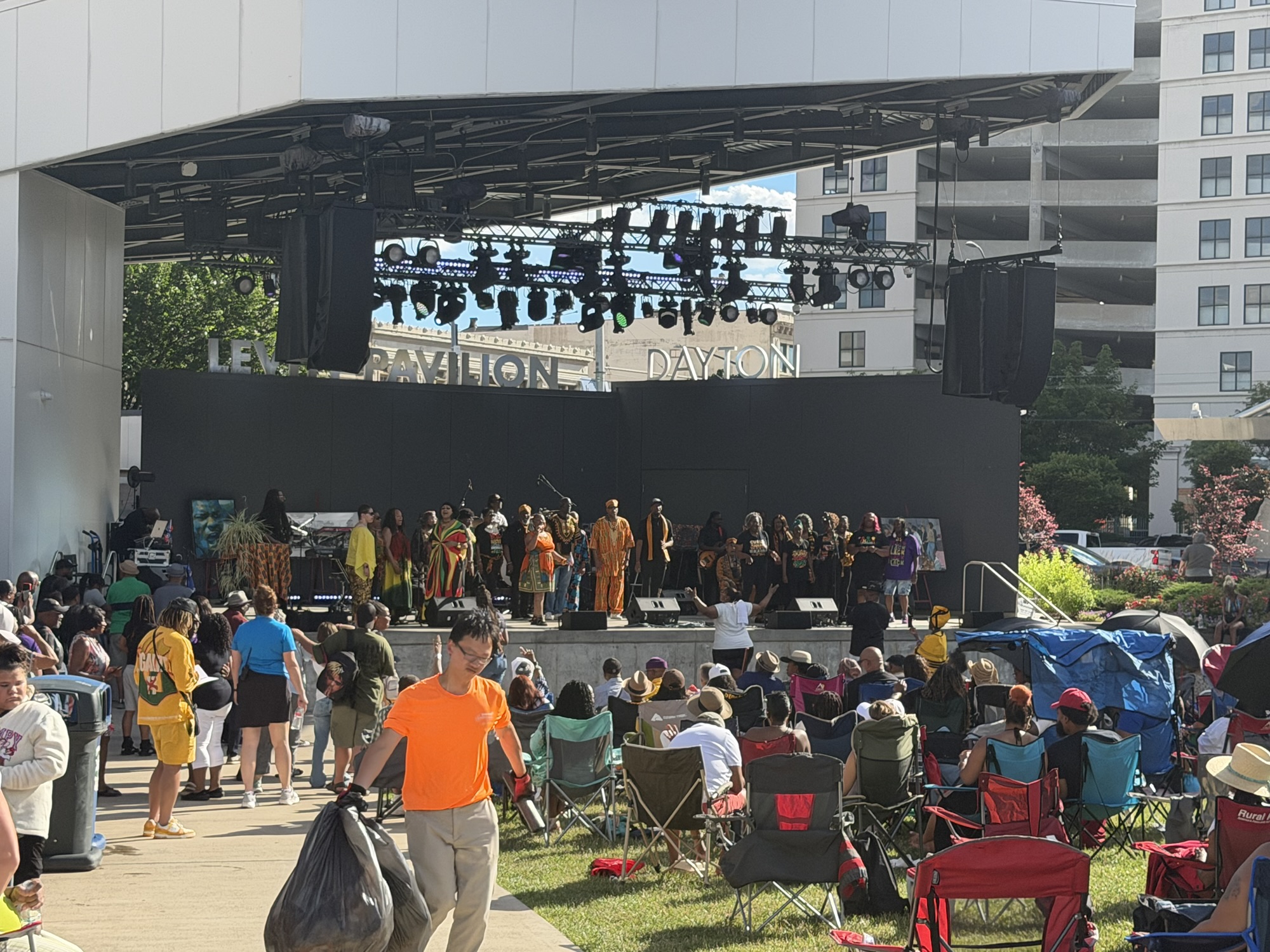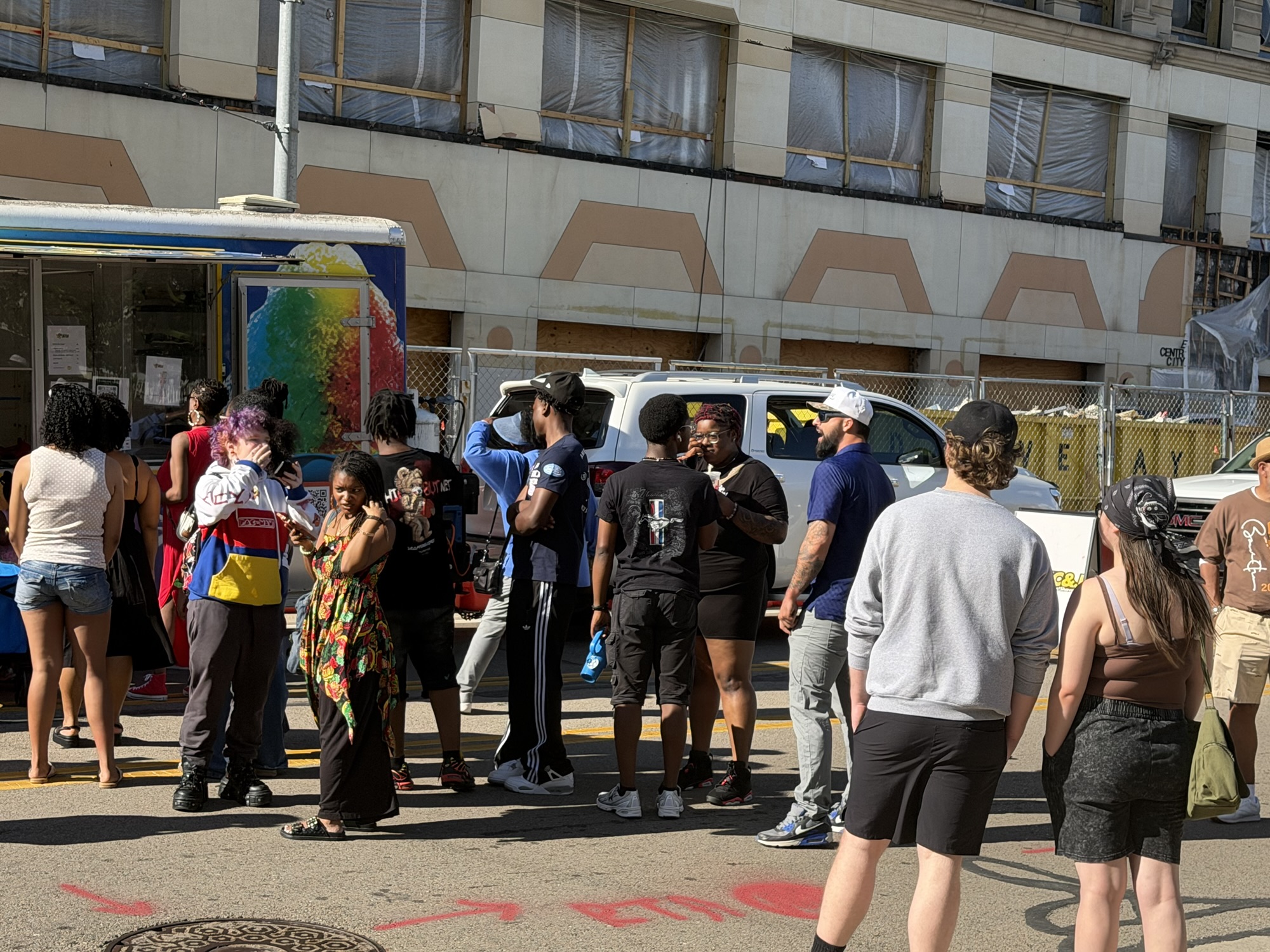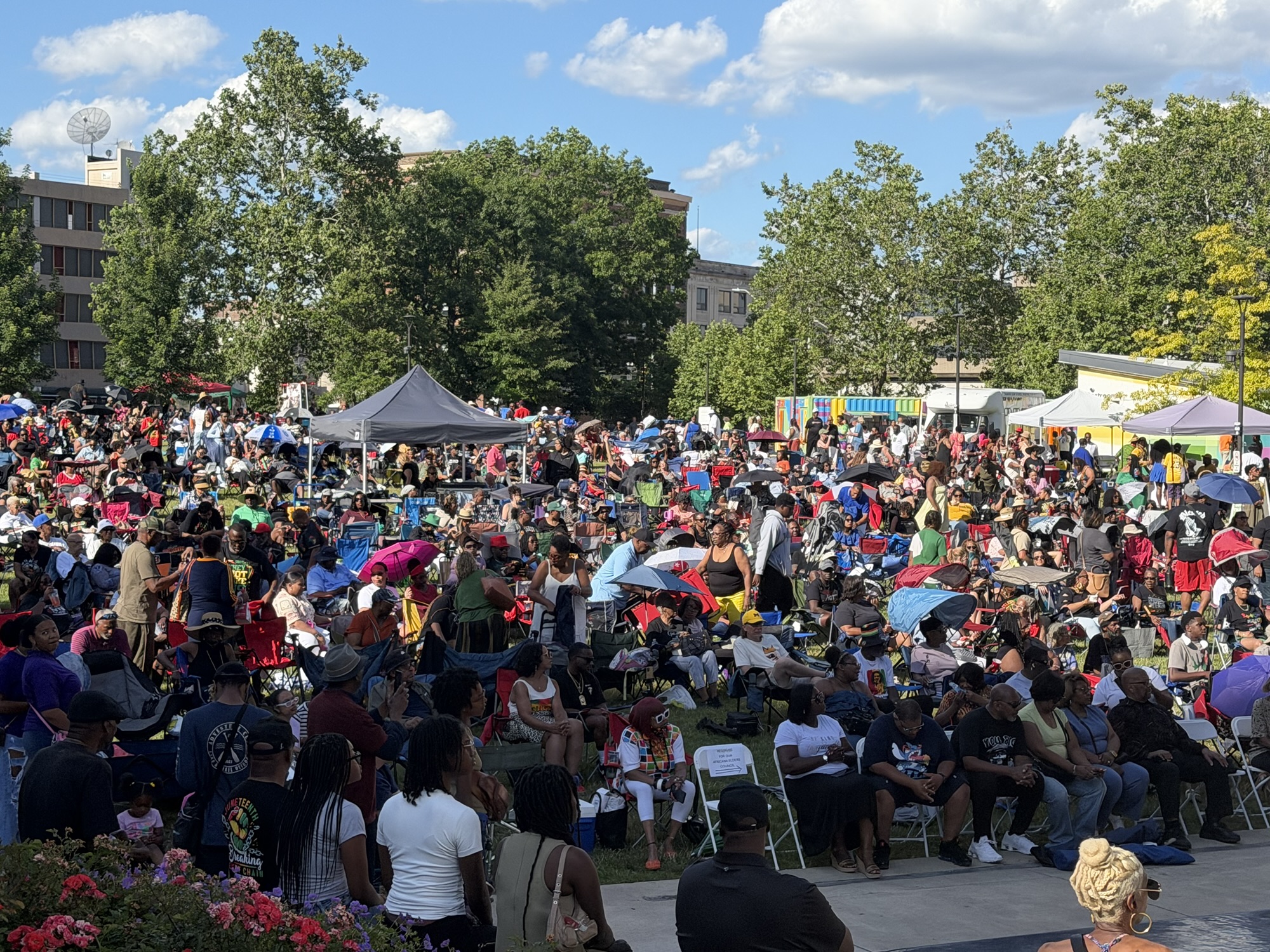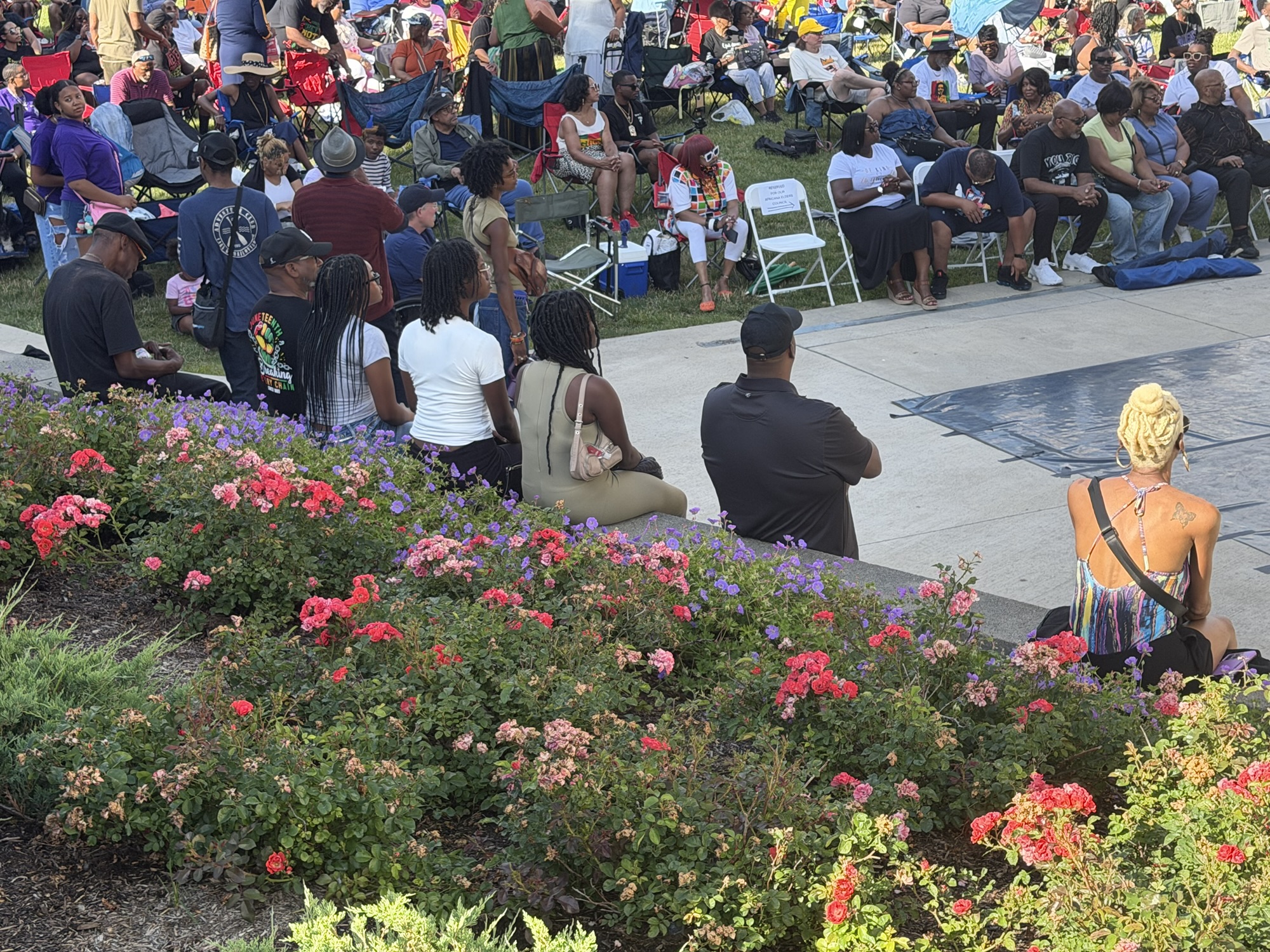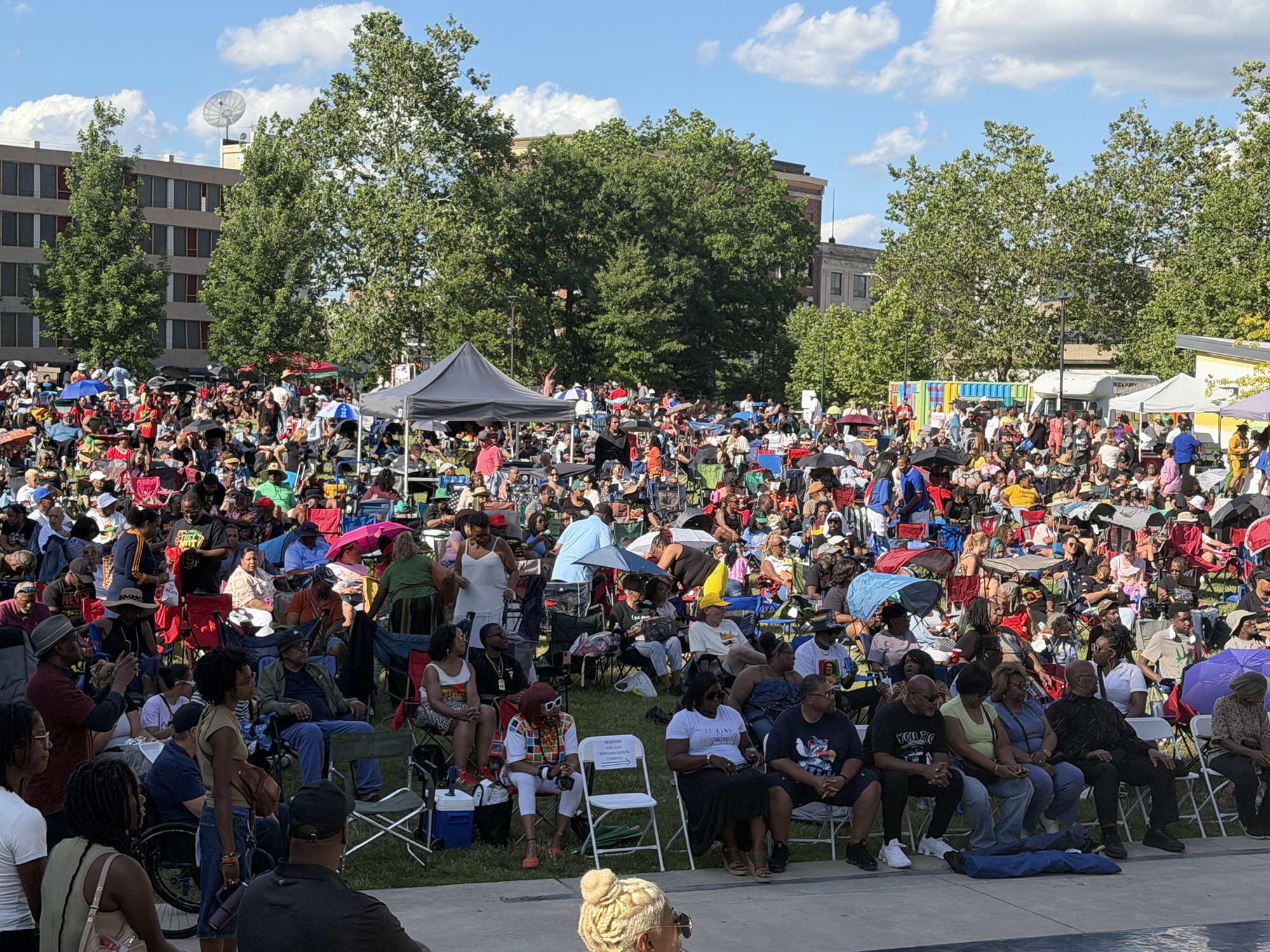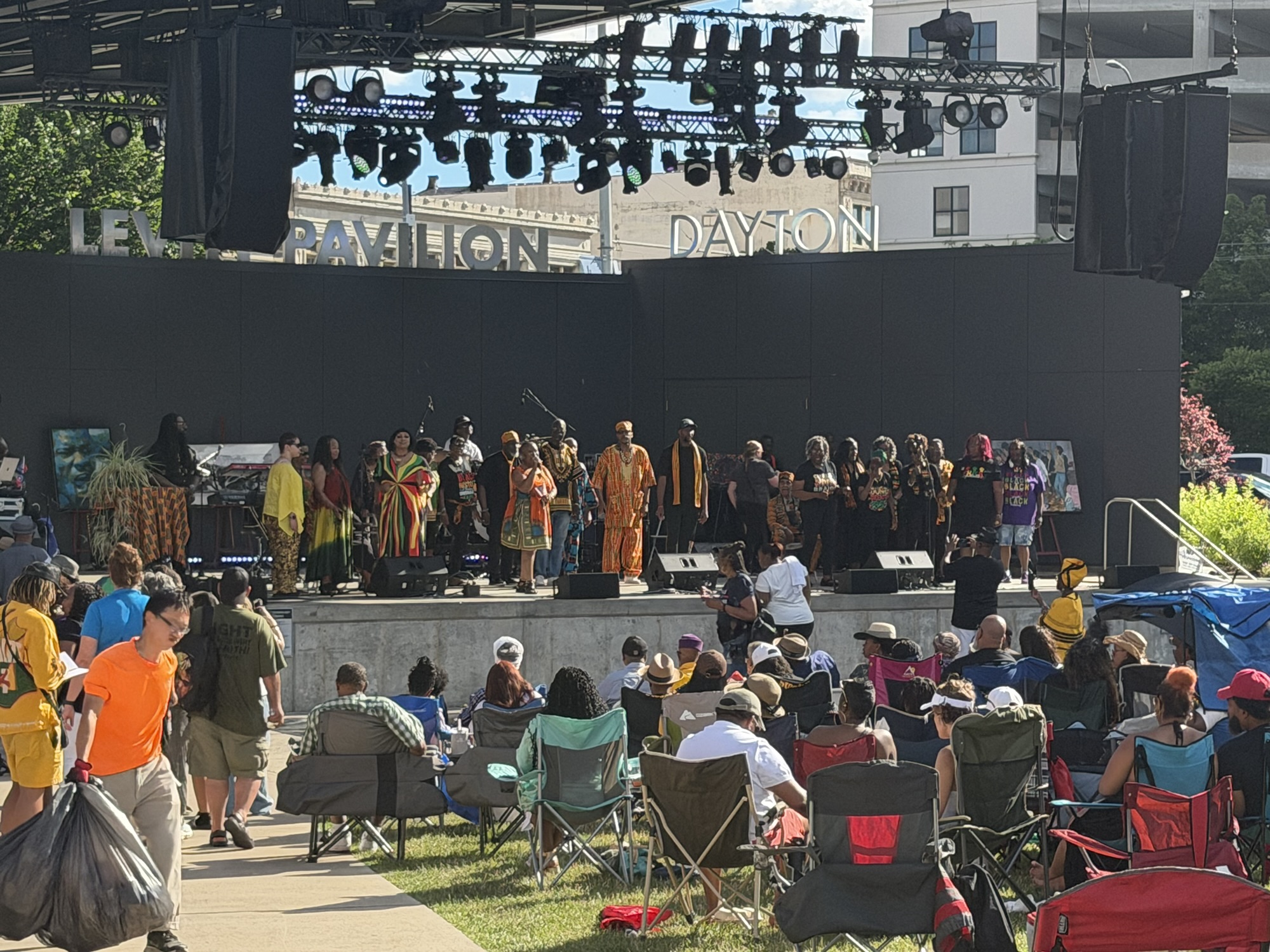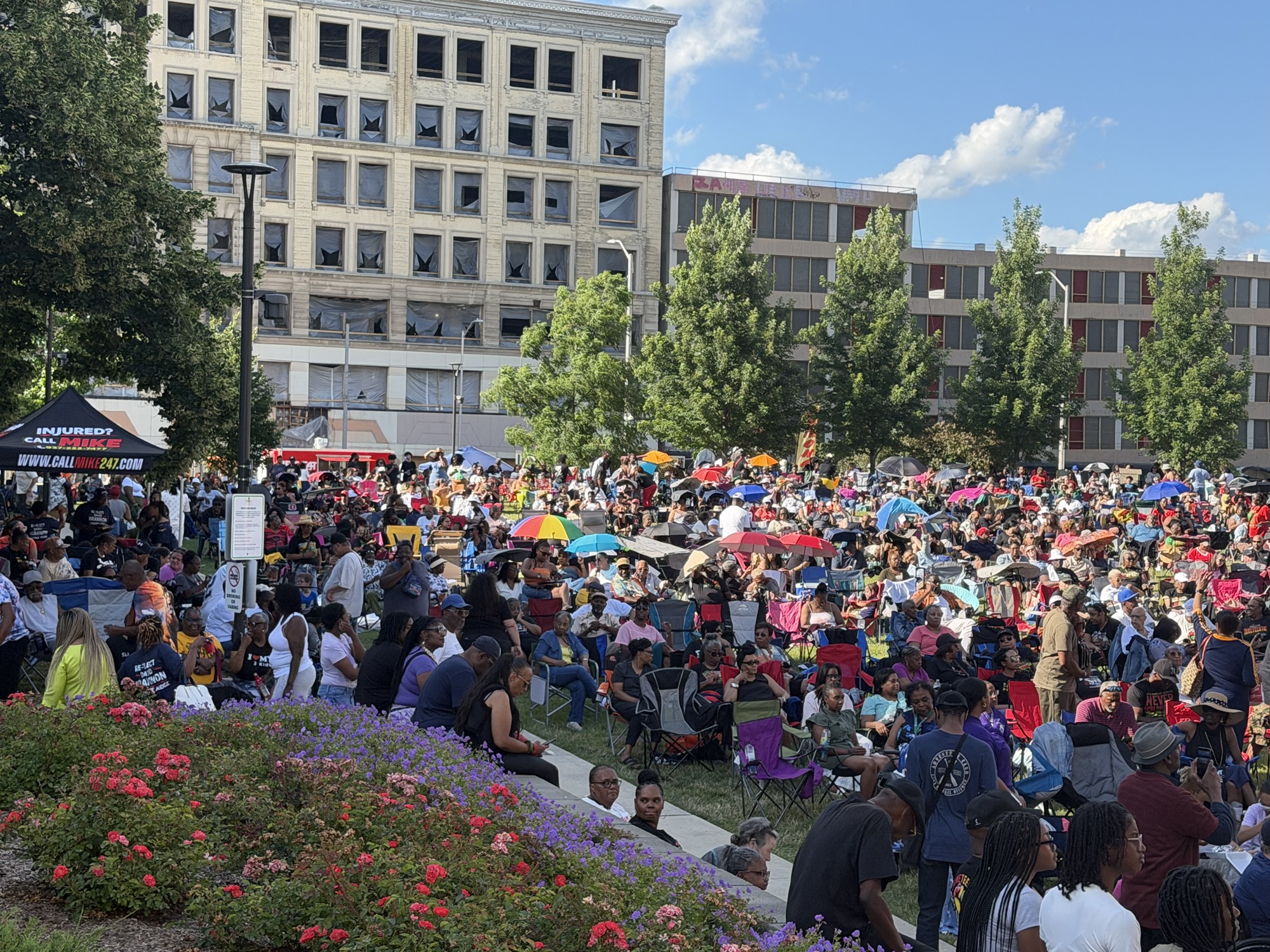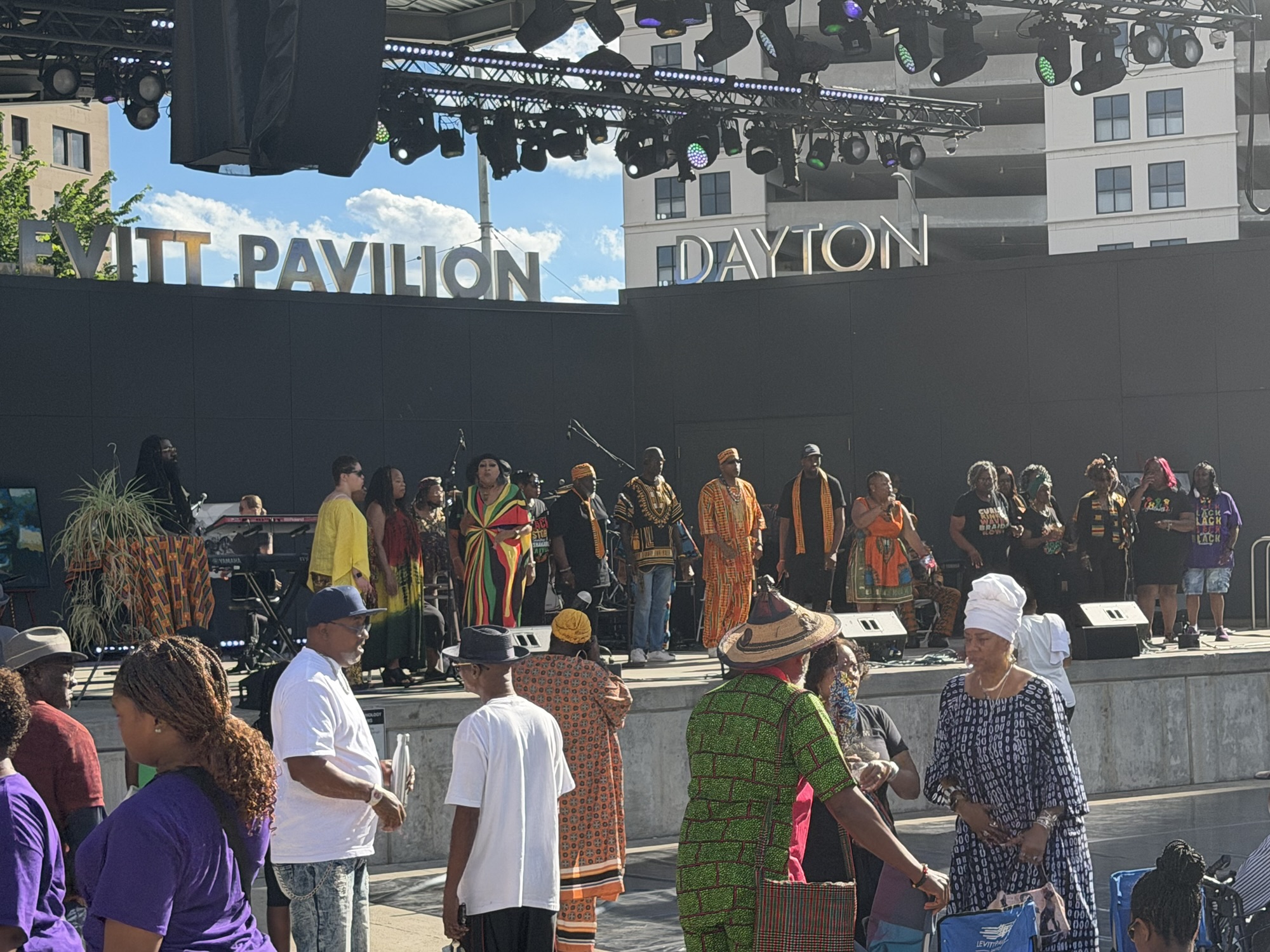
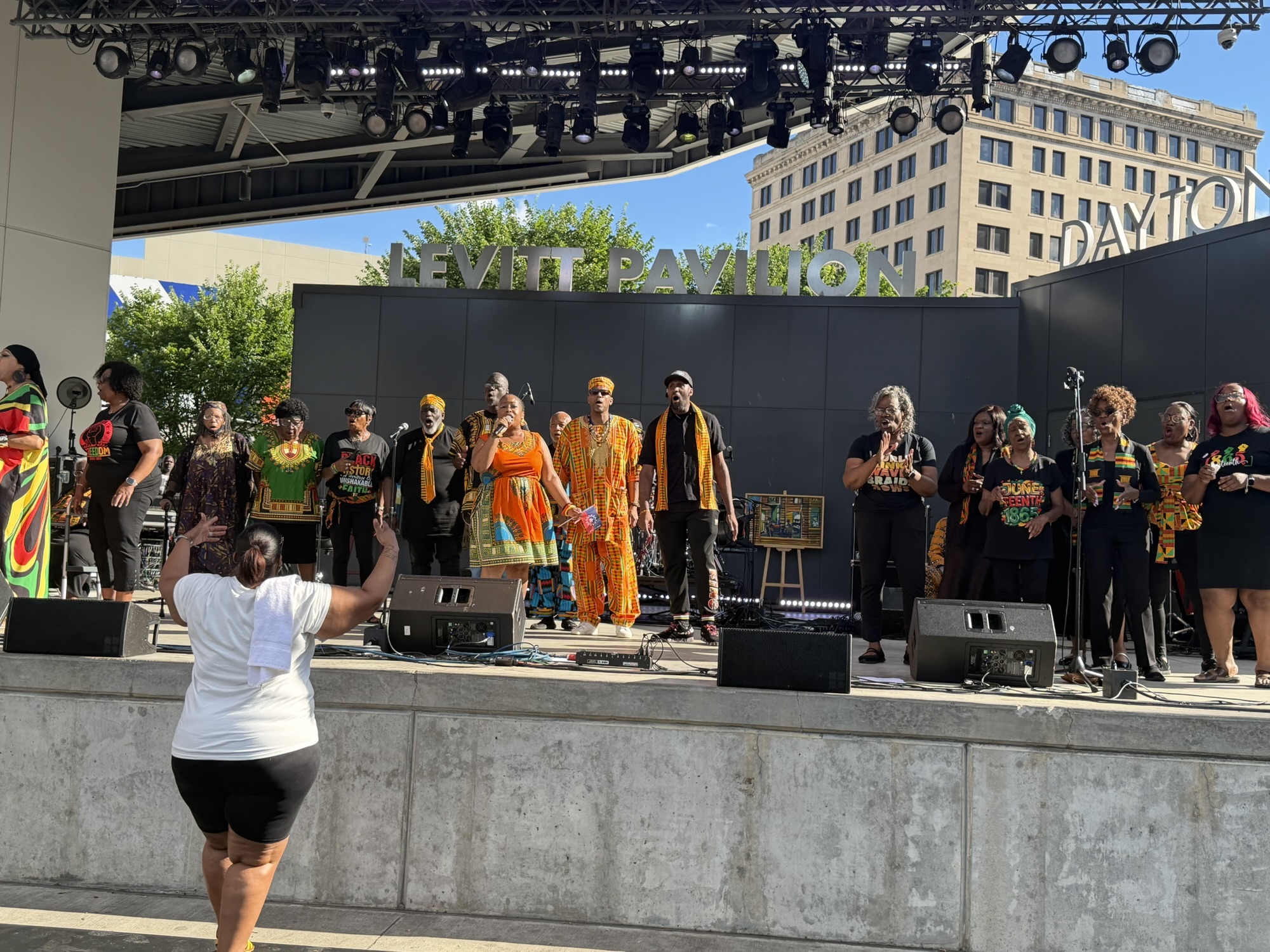
On a warm June evening in Dayton, Ohio, the lawn in front of the Levitt Pavilion began filling long before the first notes of music floated across downtown. Families unfolded lawn chairs. Children darted between food vendors. Elders found seats beneath a fading sky. Some arrived carrying blankets, others carrying memories. By sunset, a crowd had gathered for what has become one of Dayton’s most anticipated civic traditions: the annual Juneteenth Commemoration, Celebration, and Concert.
Across the United States, Juneteenth 2026 unfolded as both remembrance and celebration. In Washington, D.C., residents attended genealogy workshops at the Smithsonian’s National Museum of African American History and Culture while music festivals and block parties filled the city’s neighborhoods. In Chicago, the opening of the Obama Presidential Center on the South Side provided a powerful symbol of progress and possibility on a day dedicated to freedom.
Thousands gathered in Houston’s historic Emancipation Park, where concerts, markets, and cultural programming transformed the birthplace of many modern Juneteenth traditions into a living celebration of Black resilience. In San Francisco’s Fillmore District—once known as the “Harlem of the West”—eight city blocks became a festival of music, food, and remembrance. New York communities hosted Freedom Day events, while Maryland municipalities organized educational programs and commemorations emphasizing African American achievement and civic engagement.
Yet in Dayton, the celebration carried a distinctly local rhythm.
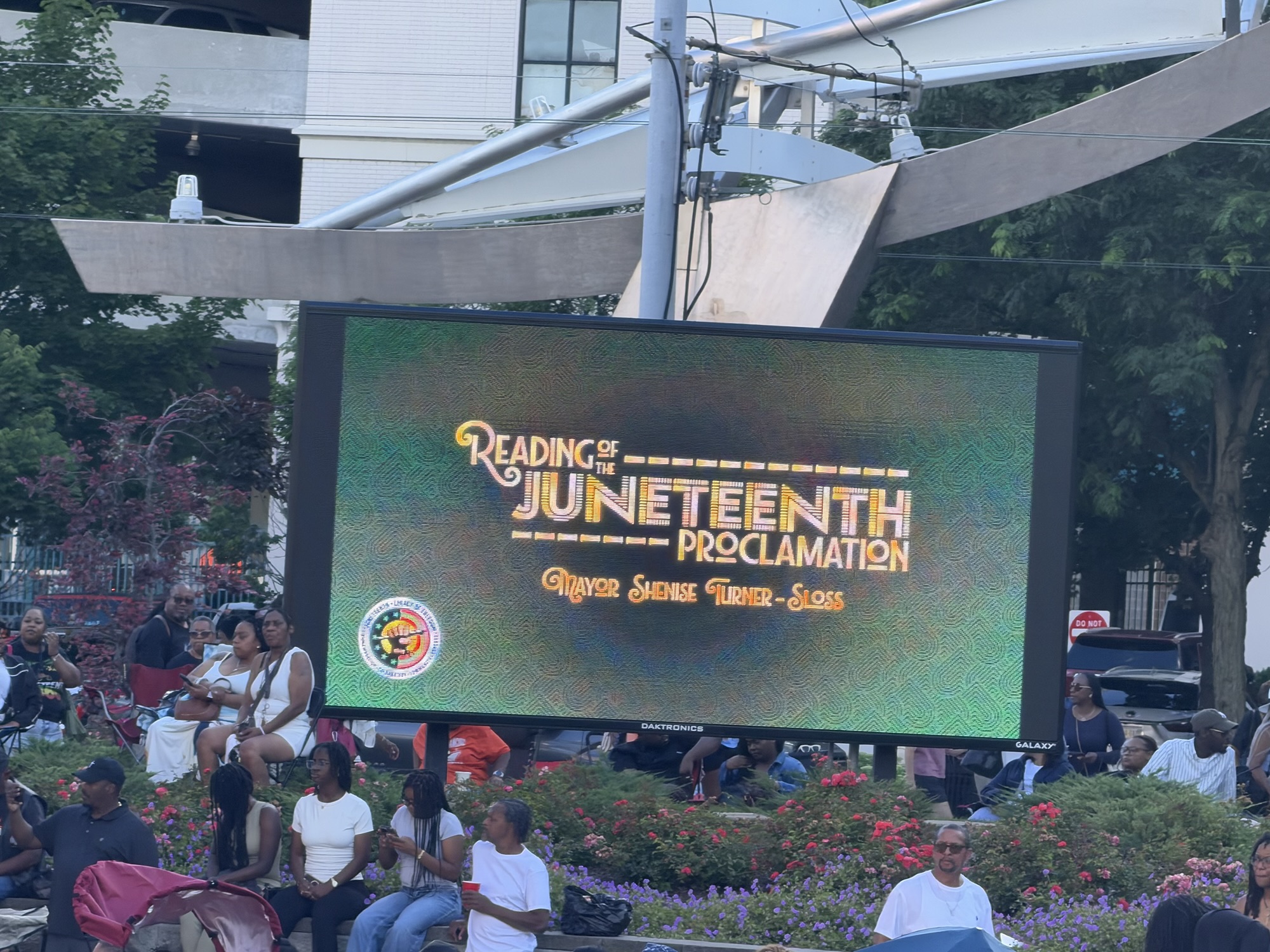
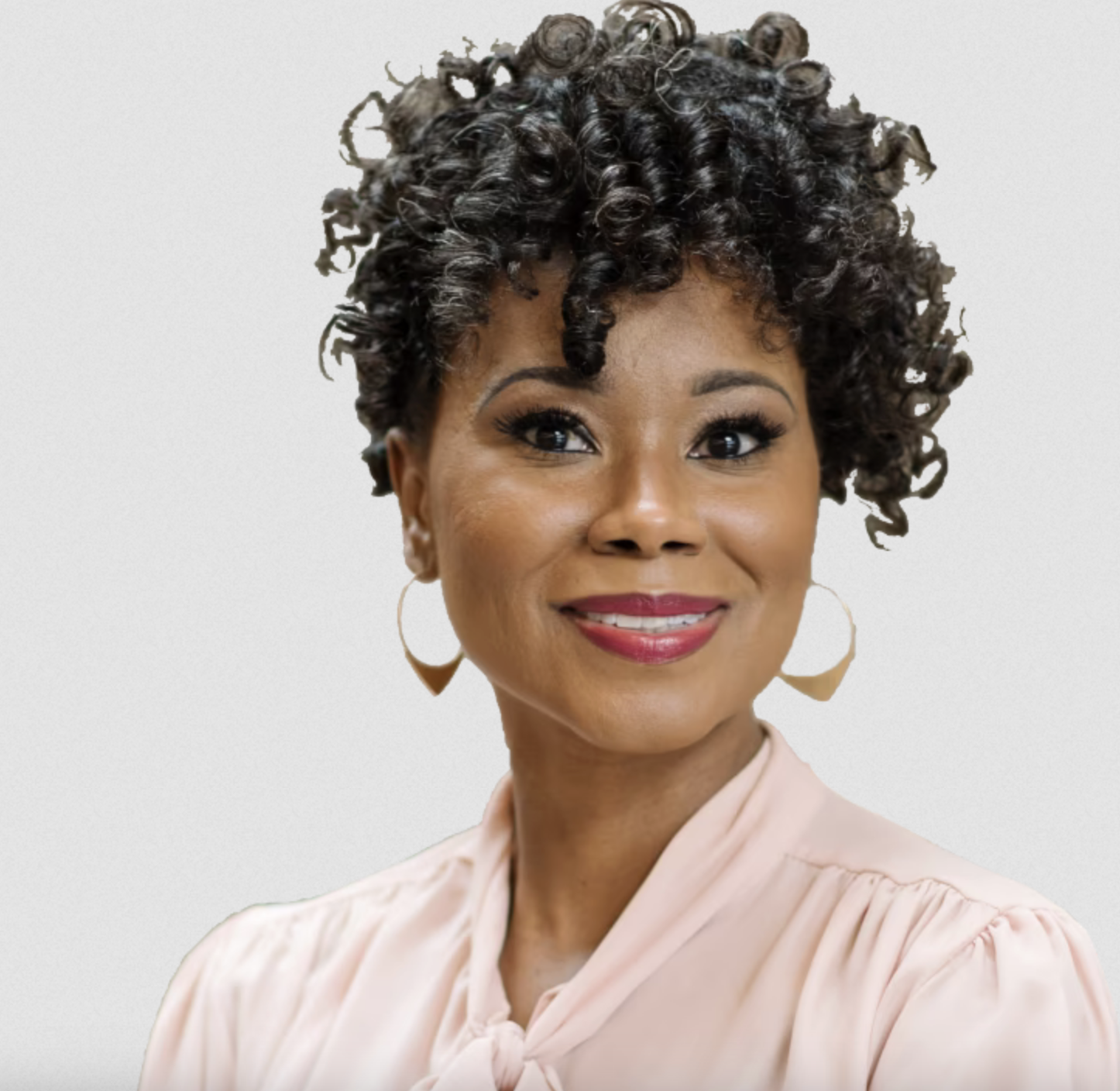
Shenise Turner-Sloss, the city’s mayor issued a proclamation recognizing Juneteenth and reaffirming Dayton’s commitment to honoring African American history and the ongoing pursuit of equality. The Levitt Pavilion event, themed “Legacy of Freedom III,” brought together education, culture, remembrance, and joy in a uniquely American blend.
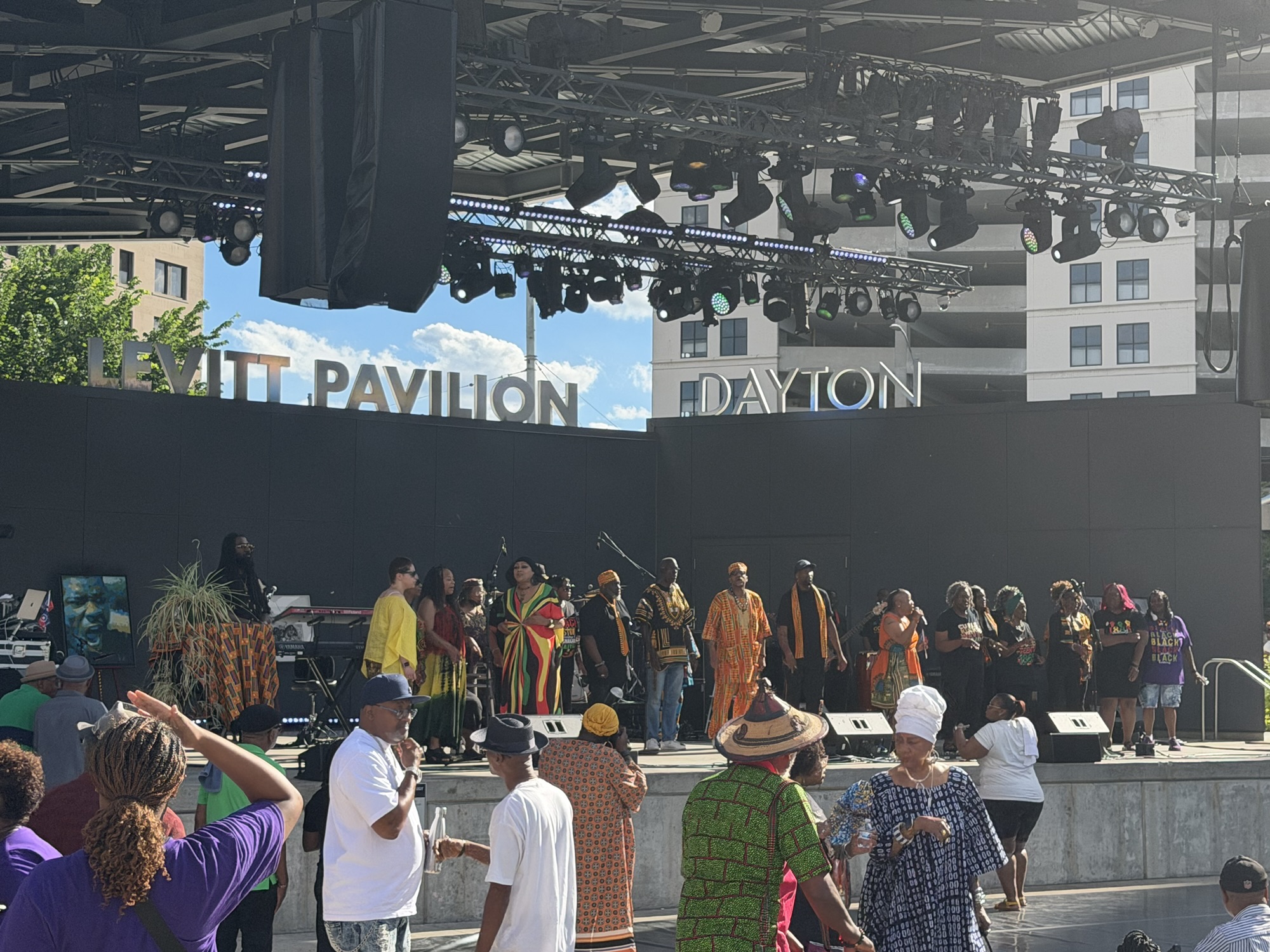
What struck many visitors was how effortlessly Juneteenth has evolved into a cultural crossroads. The soundtrack of the holiday no longer belongs to a single genre. Gospel choirs shared space with jazz ensembles. Soul singers followed spoken-word artists. R&B and African dance performers energized the crowd.
Premium Blend: Provided a musical tribute celebrating Black Music Month.
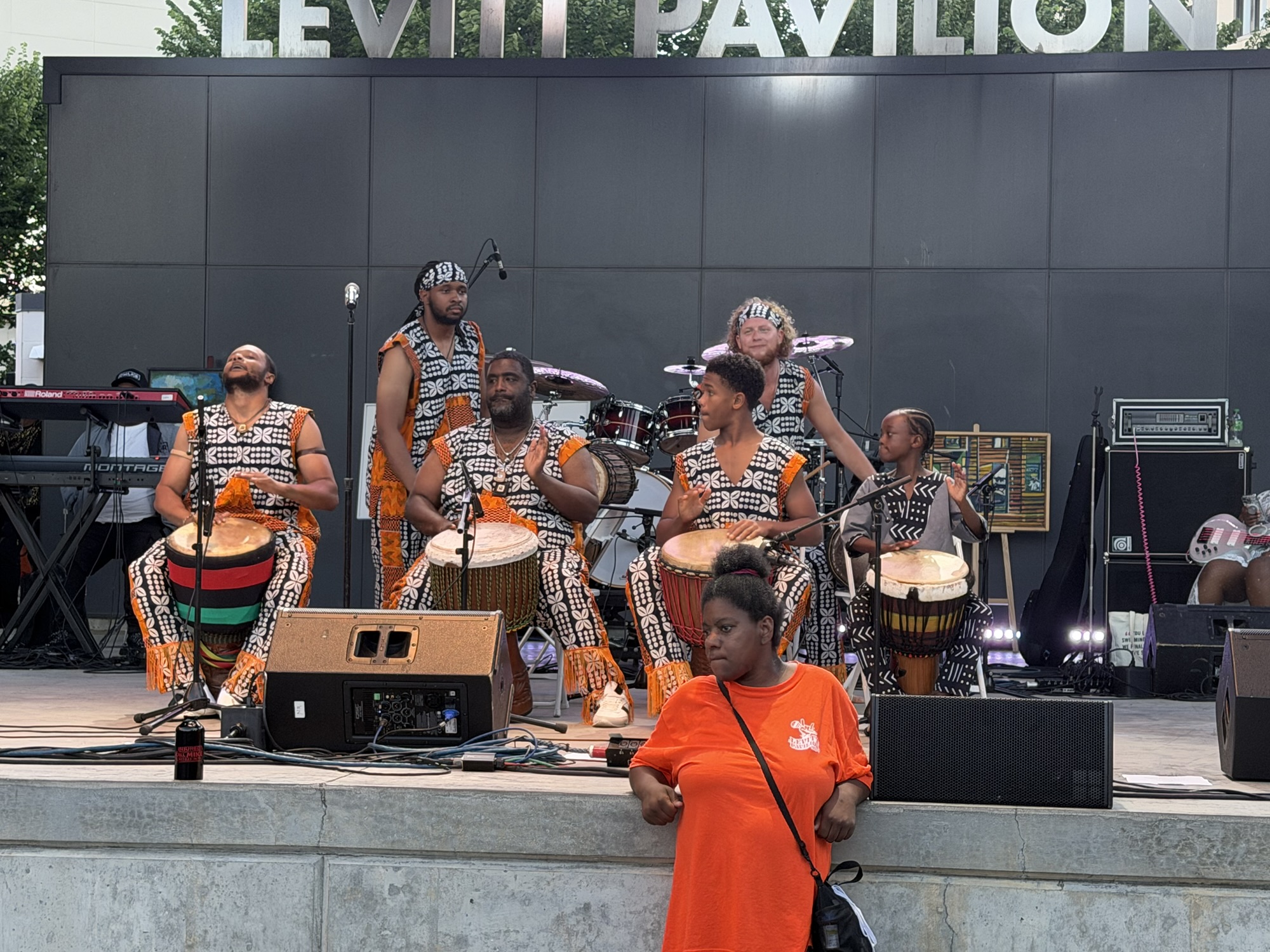
DJAPO Cultural Arts Institute: Performed traditional African Dance and Drumming during the opening ceremonies
Brownstone, the headlining group for the night took the community crowd on a musical journey through time and beats with the performance of some of their iconic ’90s R&B hits like “If You Love Me,” “Grapevyne,” and “5 Miles to Empty”.
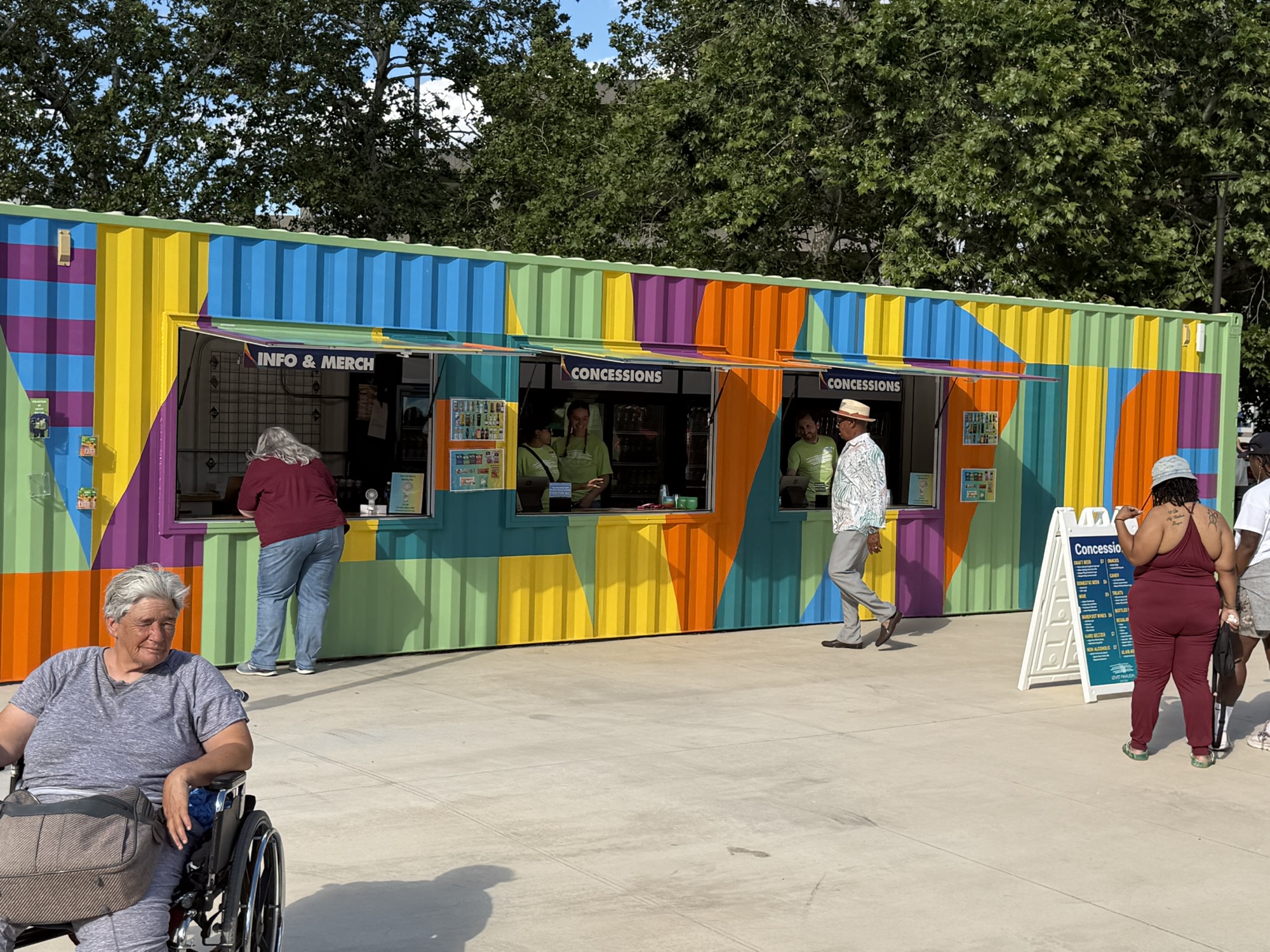
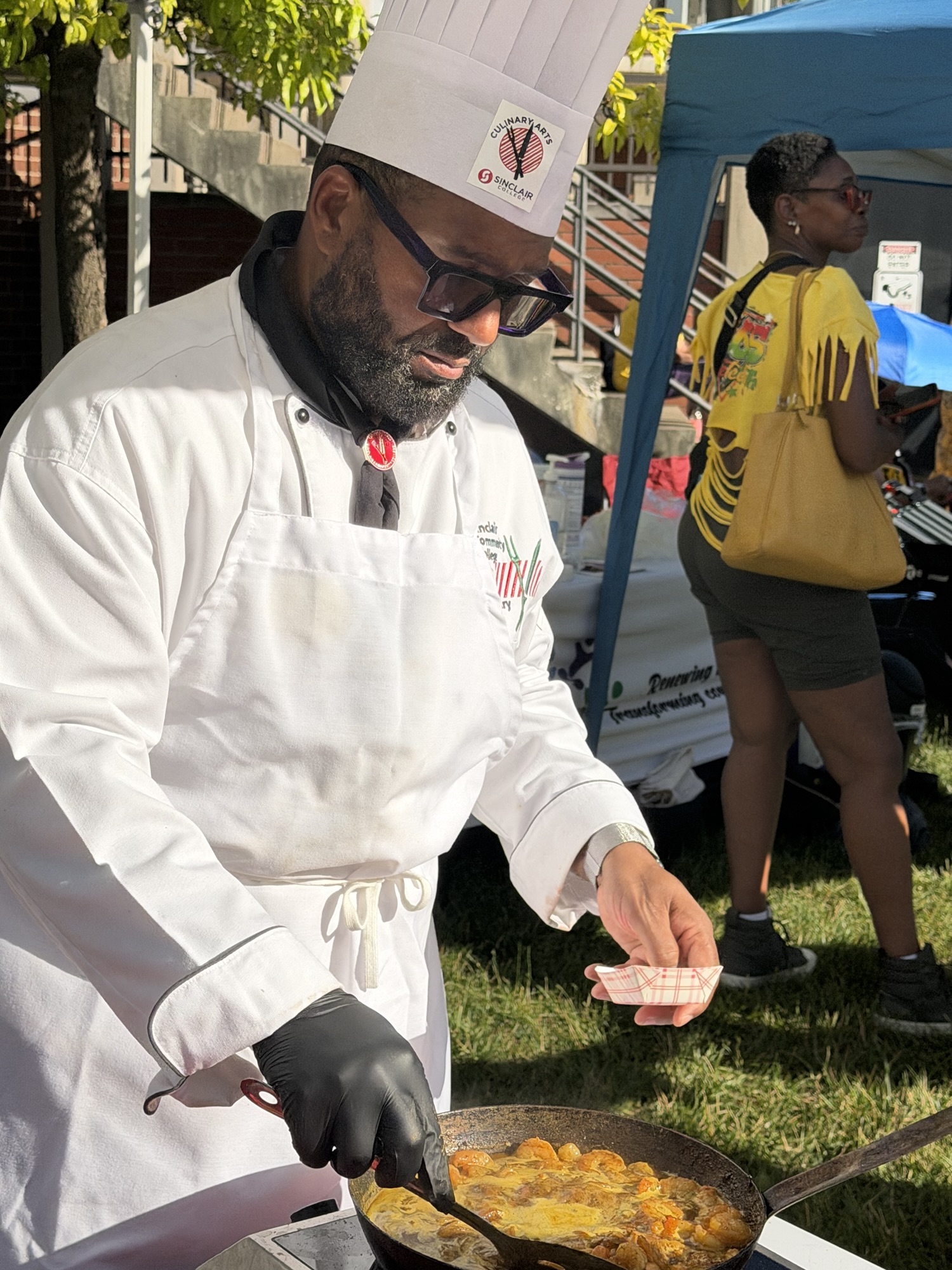
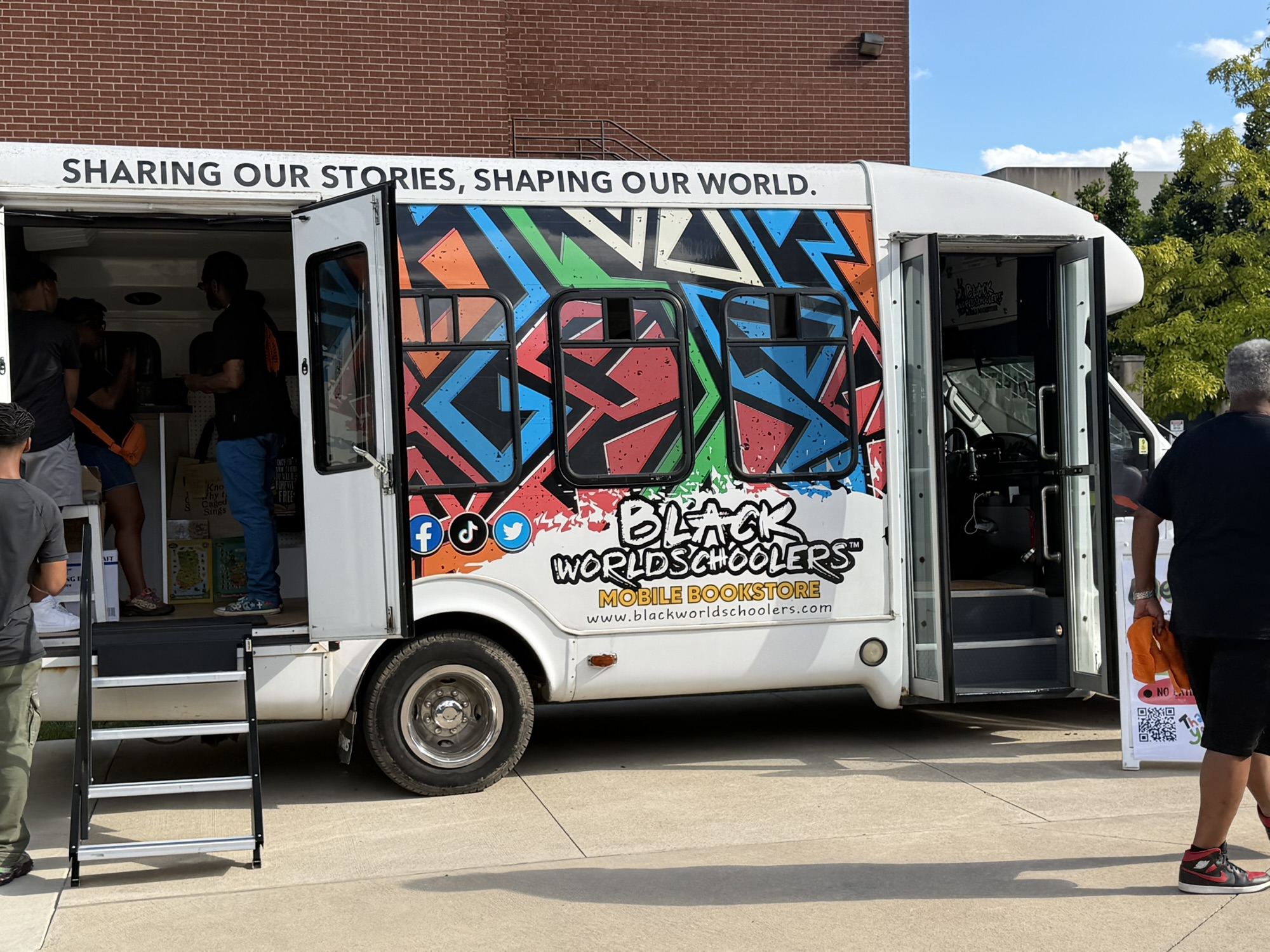
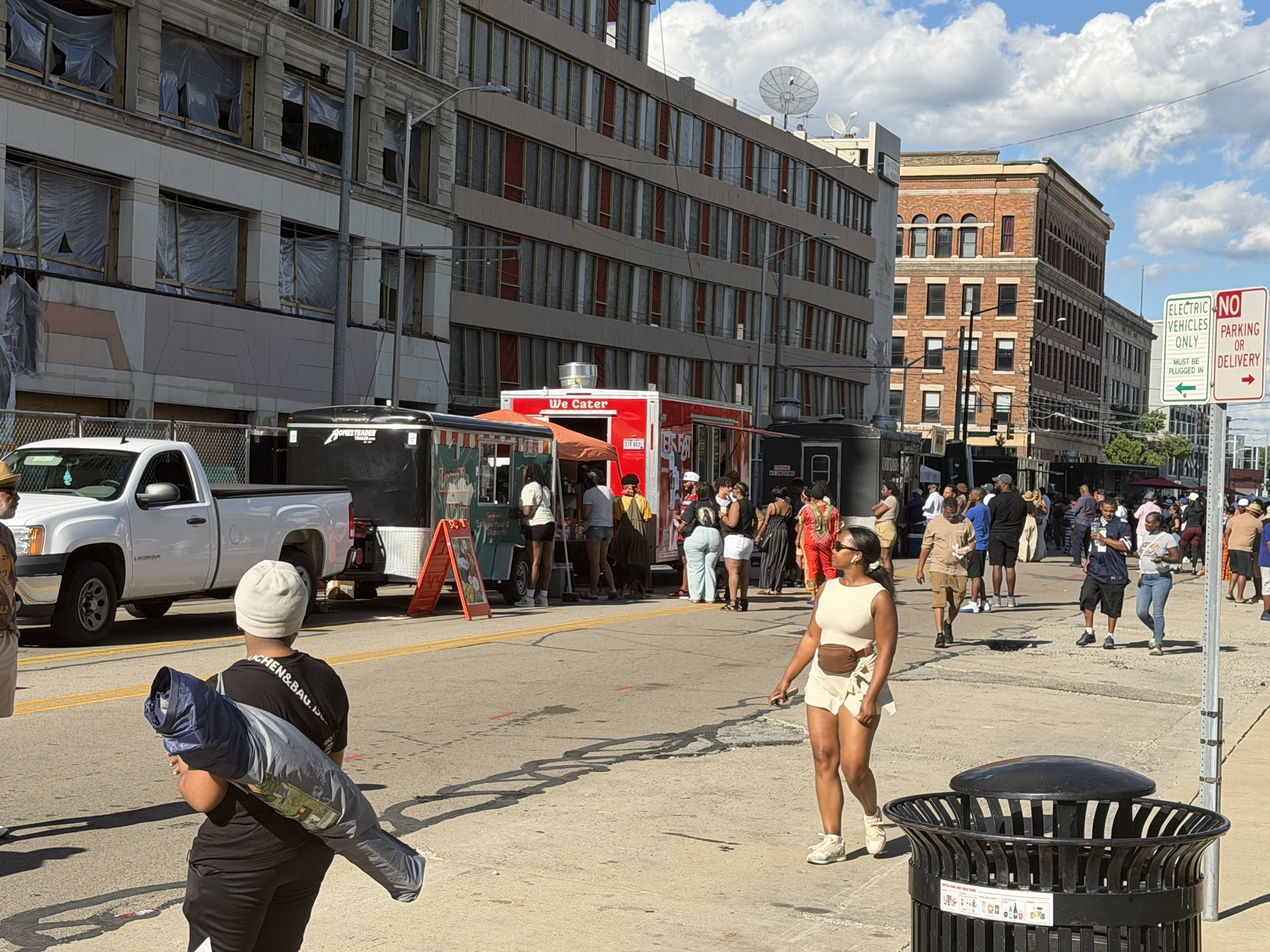
The practical wisdom of Juneteenth festivals remains timeless. Regular attendees know to arrive early, bring layers for changing evening temperatures, and carry a folding chair. Food trucks line the grounds. Local vendors offer everything from barbecue to handmade crafts. Headlining acts often take the stage during the final hour, rewarding those who stay through the entire evening.
But beneath the music and celebration lies the reason Juneteenth endures.
The holiday commemorates June 19, 1865, when enslaved African Americans in Galveston, Texas, finally learned they were free—more than two years after the Emancipation Proclamation. It remains one of the most profound reminders that freedom, while promised, is not always immediately delivered.
Perhaps that is why Juneteenth resonates far beyond the African American community. For immigrants, refugees, and descendants of people who crossed oceans seeking opportunity, the holiday speaks to a universal aspiration: the desire to live freely and fully.
As darkness settled over Dayton and the final performers took the stage, the audience rose to dance. Children waved flags. Couples swayed to familiar melodies. Neighbors greeted one another as if attending a family reunion.
In that moment, Juneteenth was more than a holiday. It was America, at its best—remembering where it has been, celebrating how far it has come, and imagining where it might still go.